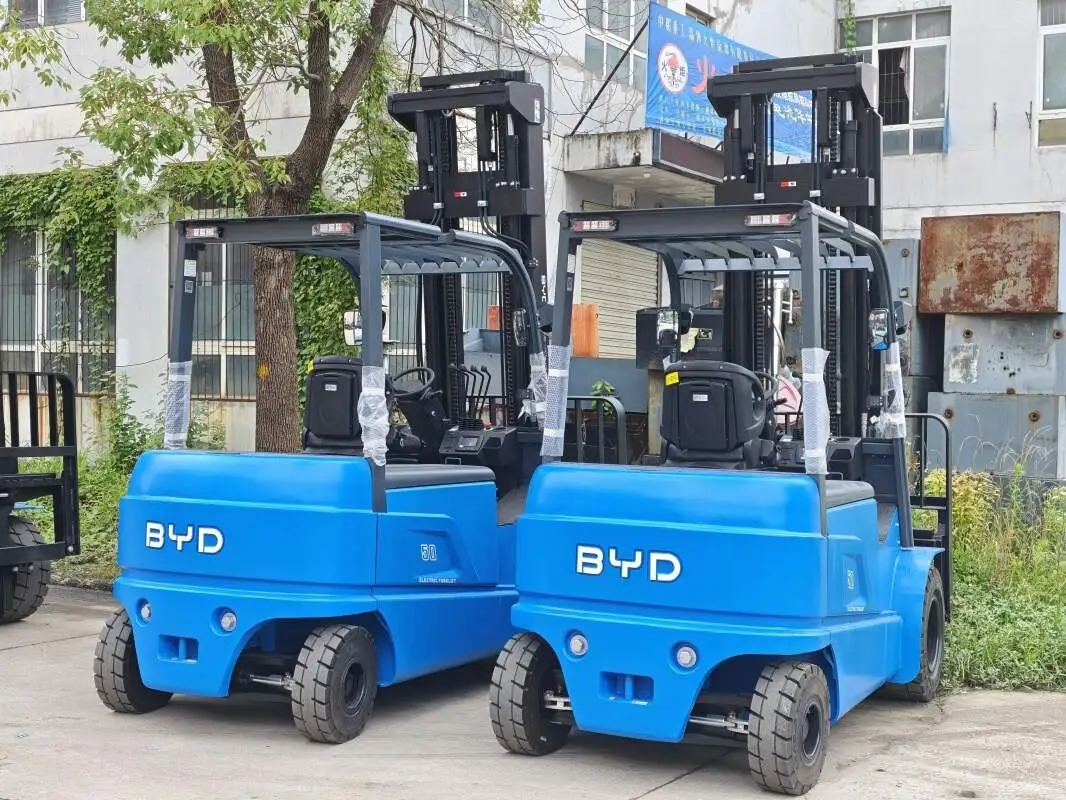
In busy industrial warehouses, manufacturing facilities, and distribution centers, efficiently moving heavy drums is a daily necessity. Drum lifter attachments turn standard industrial forklifts into versatile tools for safe and streamlined drum handling, but choosing the right one requires careful consideration of several key factors.
1. Assess Load Capacity Needs
The first step in selecting a drum lifter attachment is evaluating the weight of the drums you regularly handle. Drums come in various materials—steel, plastic, and fiber—each with different empty weights, and when filled, they can range from a few hundred to over a thousand pounds. Ensure the attachment’s rated load capacity exceeds the maximum weight of your fully loaded drums to prevent overloading risks. Also, consider if you’ll need to handle multiple drums at once, as some attachments are designed for single-drum use while others can lift two or more simultaneously.
2. Verify forklift Compatibility
Not all drum lifter attachments fit every standard industrial forklift. Take measurements of your forklift’s fork dimensions, including length, width, and thickness, to ensure the attachment’s fork pockets match. Additionally, check if the attachment requires any modifications to your forklift’s hydraulic system or mast. Some attachments operate manually, while others rely on the forklift’s hydraulic power for lifting, tilting, or rotating functions. Choosing an attachment that integrates seamlessly with your existing forklift avoids unnecessary downtime and installation costs.
3. Prioritize Safety Features
Safety should be a top priority when handling heavy drums. Look for attachments with built-in safety mechanisms, such as secure locking systems that hold drums firmly in place during transport and lifting. Anti-slip pads or grips can prevent drums from shifting, especially when navigating uneven surfaces. Overload protection features, which trigger an alert or stop lifting once the weight limit is reached, add an extra layer of security. Ensure the attachment meets relevant industry safety standards to comply with workplace regulations and reduce accident risks.
4. Evaluate Operational Efficiency
An efficient drum lifter attachment can significantly boost productivity. Consider how easy it is to attach and detach the unit—quick-release mechanisms allow operators to switch between tasks without wasting time. Some attachments offer 360-degree rotation capabilities, which are useful for pouring contents into containers or positioning drums precisely. Others are designed to handle both closed and open-top drums, providing flexibility for different storage and handling needs. Think about your daily workflows and choose an attachment that aligns with the tasks you perform most frequently.
5. Factor in Durability and Maintenance
Industrial environments are harsh, so your drum lifter attachment needs to withstand frequent use, exposure to chemicals, and rough handling. Opt for attachments made from high-strength steel or corrosion-resistant materials to ensure longevity. Look for designs with minimal moving parts, as they are easier to maintain and less prone to breakdowns. Regular maintenance, such as lubricating hinges and inspecting locking components, will extend the attachment’s lifespan, so choose a model that offers easy access to these parts for routine checks.
By carefully evaluating these factors—load capacity, compatibility, safety, efficiency, and durability—you can select a drum lifter attachment that not only meets your immediate material handling needs but also enhances workplace safety and long-term operational efficiency.