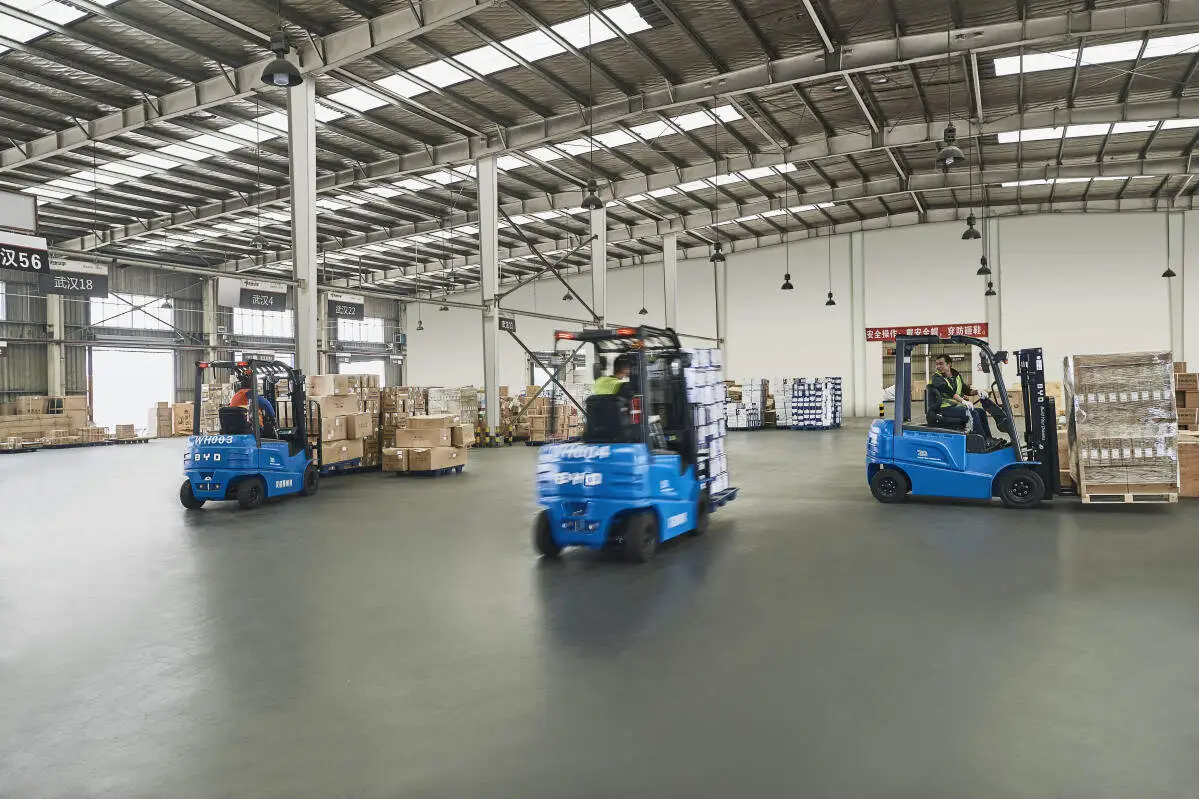
In industrial material handling, efficient and safe transfer of goods is a top priority. Many operations grapple with challenges like unstable loads, slow transfer speeds, and high risk of product damage—issues that erode productivity and raise operational costs. Moving cradle belt forklift attachments address these pain points, providing a targeted solution to optimize material transfer workflows.
A core advantage of these attachments is enhanced load stability. Unlike standard forklift forks that rely on underpinning support, the cradle belt design wraps around loads, distributing weight evenly to minimize shifting or falling during transport. This is especially valuable for handling irregularly shaped items, fragile materials, or goods without a solid base for fork placement. By reducing load instability, the attachments help prevent workplace accidents, protect inventory, and cut down on rework caused by damaged goods.
Efficiency is another key benefit. Moving cradle belt attachments enable faster load handling compared to manual securing methods or alternative tools. The adjustable belt system fits different load sizes quickly, eliminating time spent tying down loads or switching attachments. The continuous belt design also facilitates smooth loading and unloading, reducing downtime between transfers. This streamlined approach translates to more completed tasks in less time, directly boosting overall operational productivity.
Versatility makes these attachments a valuable asset across industries. They adapt easily to manufacturing, warehousing, construction, and logistics environments, handling pallets, pipes, wooden beams, and packaged goods alike. Many models offer adjustable tension settings, allowing operators to customize support based on specific load requirements. This adaptability ensures the attachment can meet diverse material handling needs without additional equipment.
Operator convenience is built into the design. These attachments are easy to install and operate, requiring minimal training for forklift operators. Intuitive controls let users adjust belt tension and position quickly, reducing the learning curve and ensuring consistent performance. Durable construction withstands daily industrial use, minimizing maintenance needs and extending service life.
In conclusion, moving cradle belt forklift attachments are a practical investment for streamlining material transfer. By improving load stability, enhancing efficiency, offering versatile support, and prioritizing operator ease, they resolve common material handling challenges. Operations looking to optimize workflows, cut costs, and improve safety will find these attachments a valuable addition to their forklift fleet.