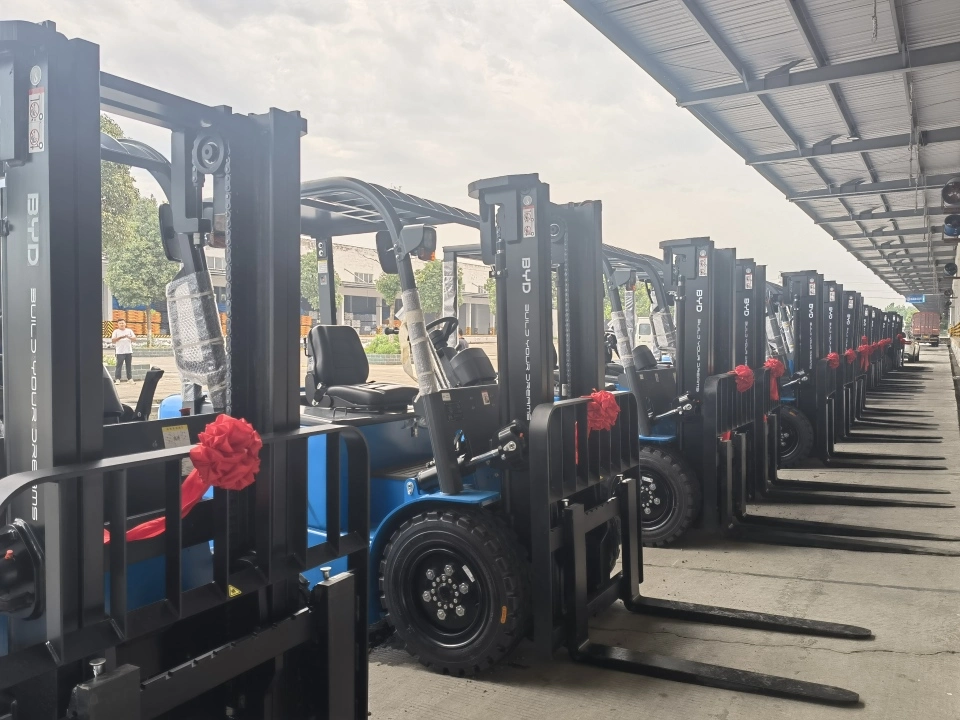
When operating forklifts on rough surfaces like construction sites, gravel yards, or unpaved industrial areas, the right tire choice directly impacts safety, efficiency, and equipment longevity. Heavy-duty forklift tires tailored for these environments are engineered to withstand uneven terrain, sharp debris, and heavy loads, making a thoughtful buying process essential for any operations manager or fleet owner.
First, understanding the main types of heavy-duty forklift tires is the foundation of a smart purchase. Solid rubber tires are a popular option for rough-surface use. They offer exceptional resistance to punctures and cuts, which is critical in areas with scattered nails, rocks, or metal scraps. Unlike pneumatic tires, solid tires do not require inflation, eliminating the risk of sudden deflation that could lead to accidents or downtime. However, they may provide a stiffer ride compared to other options, which can be a consideration for operator comfort over long shifts.
Pneumatic tires, both air-filled and foam-filled, are another viable choice. Air-filled pneumatic tires offer better shock absorption, making them ideal for uneven terrain where reducing vibration is important for both operator comfort and protecting fragile cargo. Foam-filled pneumatic tires combine the cushioning of air-filled tires with the puncture resistance of solid tires, providing a balanced solution for many rough-surface applications.
Beyond tire type, several key factors should guide your decision. Durability is paramount. Look for tires made from high-quality rubber compounds formulated to resist abrasion and wear in harsh conditions. The tread pattern also plays a crucial role: deep, aggressive treads provide better traction on loose gravel or muddy surfaces, while shallower, more uniform treads may be suitable for packed dirt or uneven concrete.
Load capacity is another non-negotiable consideration. Ensure the tires you select can support the maximum weight your forklift is rated to carry, including any additional attachments or heavy cargo. Exceeding the tire’s load capacity can lead to premature wear, structural damage, and safety hazards.
Terrain-specific needs should also be evaluated. If your operations primarily take place on gravel or rocky ground, prioritize puncture resistance and tread grip. For muddy or wet surfaces, tires with excellent water evacuation and slip resistance will be essential. Additionally, consider the frequency of use and operating hours—fleet vehicles that run daily for extended periods may benefit from tires with enhanced heat resistance to prevent premature degradation.
Maintenance requirements are often overlooked but important. Solid tires typically require less maintenance than pneumatic options, as they do not need pressure checks or repairs for punctures. Foam-filled tires fall in between, offering low maintenance while still providing some cushioning. Air-filled pneumatic tires require regular pressure checks to ensure optimal performance and prevent damage.
To wrap up the buying process, start by assessing your specific operational environment and needs. Evaluate the terrain, load requirements, and daily usage patterns. Consult with tire specialists to understand which tire type and specifications align best with your goals for safety, efficiency, and cost-effectiveness. By taking these steps, you can select heavy-duty forklift tires that enhance performance, reduce downtime, and support safe operations on rough surfaces.