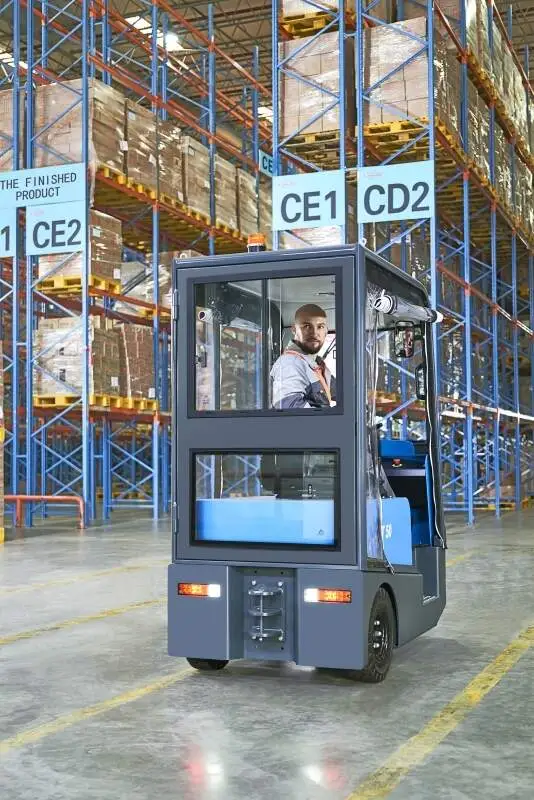
A thorough pre-shift inspection of industrial forklifts is a critical component of workplace safety and operational reliability. Conducted before each shift, these checks help identify potential hazards, prevent equipment breakdowns, and ensure compliance with occupational safety regulations. Below is a structured, step-by-step guide to performing a basic pre-shift inspection for industrial forklift units.
Start with a complete visual walkaround of the forklift to assess its overall condition. Look for any visible damage, such as dents, cracks, or bent components on the mast, forks, and body. Check for leaks in fuel lines, hydraulic hoses, or oil reservoirs—even small leaks can indicate underlying issues that may escalate into major problems. For electric forklifts, inspect the battery terminals to ensure they are clean and free of corrosion, and verify the battery level meets operational requirements.
Next, focus on the tires and chassis. Examine each tire for signs of wear, cuts, bulges, or uneven tread, which can compromise stability and maneuverability. Confirm tire pressure matches the manufacturer’s recommended levels; underinflated or overinflated tires increase accident risks and premature wear. Inspect the chassis for loose bolts, damaged suspension parts, and structural weaknesses. Test the parking brake to ensure it engages securely when activated.
The hydraulic system is essential for lifting operations, so a careful assessment is vital. Check the hydraulic fluid level against reservoir markings; low fluid can reduce lifting capacity and lead to system failure. Operate the lift mechanism slowly to observe for unusual noises, jerky movements, or response delays. Verify that forks raise, lower, and tilt smoothly without fluid leaks from hoses or connections.
For both electric and internal combustion forklifts, inspect the electrical system and controls. Test all lights—headlights, taillights, turn signals, and brake lights—to ensure they function correctly. Confirm the horn is loud enough to alert others in the work area. Check control levers, steering wheel, and pedals for responsiveness; any stiffness or unresponsive controls should be noted and addressed before use. For electric models, ensure charging cables and ports are in good condition.
Finally, perform a brief operational test in a safe, open area. Start the forklift and listen for unusual engine noises like knocks or sputters. Test acceleration, braking, and steering to ensure smooth operation. Lift a light load if available to confirm the hydraulic system works as intended, and check that forks stay level when raised. After the test, turn off the forklift, document any issues found, and report them to maintenance staff immediately.
Regular pre-shift inspections not only protect operators and coworkers from accidents but also extend equipment lifespan by catching issues early. By following these guidelines, operators can ensure forklifts are in safe working condition, reducing downtime and maintaining a productive work environment. Any identified defects must be resolved before the forklift is used for operational tasks to uphold safety standards.