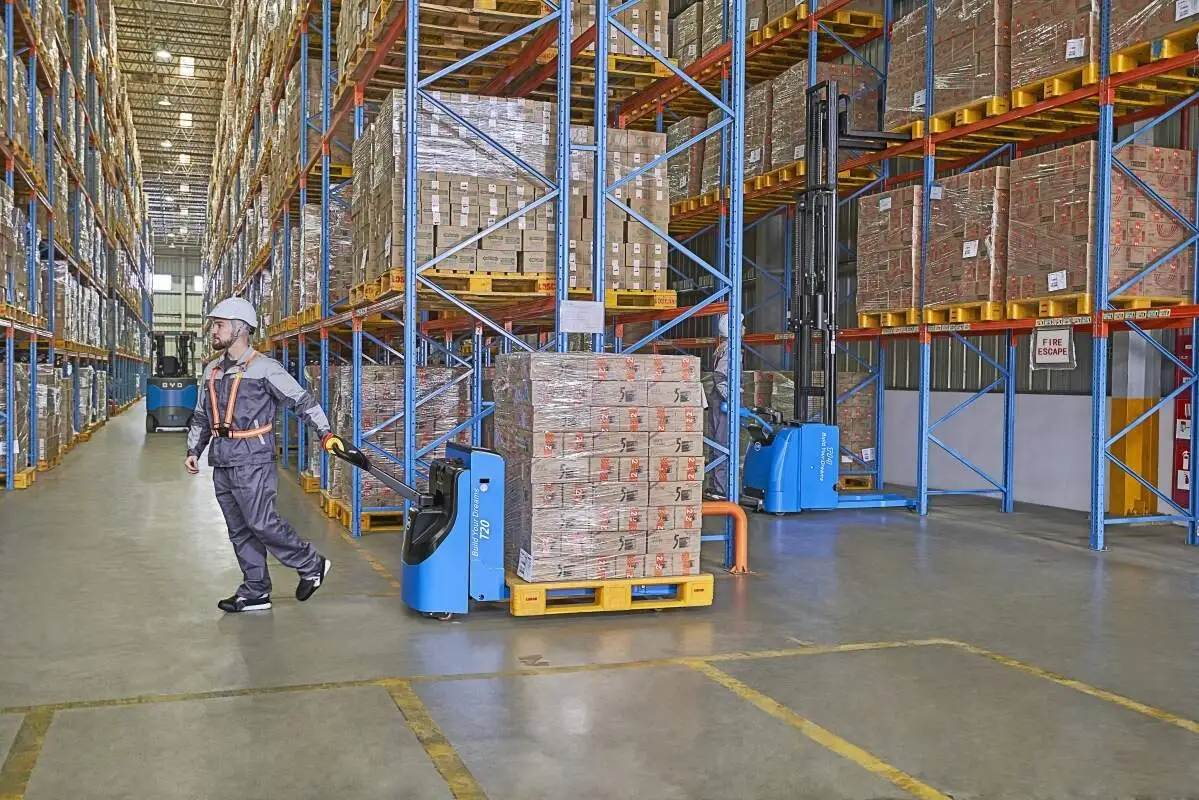
When dealing with extra-long industrial cargo such as steel beams, pipe sections, or large wooden planks, traditional forklifts often struggle with maneuverability and stability. Side-loading electric forklifts have emerged as a specialized solution to address these challenges, offering unique advantages for handling lengthy loads in warehouses, manufacturing facilities, and logistics hubs. If you’re looking to invest in one, here are critical buying points to consider to ensure you select the right equipment for your operational needs.
Load Capacity and Load Center
The primary consideration when purchasing a side-loading electric forklift is its load capacity, which should align with the maximum weight of your extra-long cargo. Unlike standard forklifts, side-loading models distribute weight differently, so it’s essential to verify the load center specification—a measurement indicating how far the load extends from the forklift’s side. Ensuring the forklift’s load capacity matches both the weight and length of your typical cargo prevents overloading risks and ensures consistent operational safety.
Maneuverability in Confined Spaces
Extra-long cargo often requires navigation through narrow aisles and tight warehouse layouts. Side-loading electric forklifts are designed to load and unload from the side, eliminating the need for wide turning circles that traditional forklifts demand. When evaluating options, pay attention to the forklift’s turning radius, side-shift range, and overall width. A model with precise steering controls and compact dimensions will enhance efficiency when moving lengthy cargo in restricted spaces without compromising on stability.
Battery Performance and Efficiency
As an electric-powered piece of equipment, battery performance directly impacts operational uptime. For facilities with extended shift hours, prioritize forklifts with high-capacity batteries that offer long continuous run times. Additionally, consider charging speed—fast-charging capabilities can minimize downtime during peak operations. It’s also important to assess battery maintenance requirements, as low-maintenance battery types can reduce long-term operational costs and labor input.
Safety Features
Handling extra-long cargo introduces unique safety risks, so the forklift must be equipped with robust safety features. Look for models with side-stability systems that prevent tipping when carrying heavy, lengthy loads. Visibility enhancements, such as wide-angle mirrors and overhead guards, help operators navigate safely and avoid collisions. Additionally, features like automatic speed reduction during turns and load weight sensors can further mitigate operational hazards, protecting both personnel and valuable cargo.
After-Sales Support and Service
Investing in a side-loading electric forklift is a long-term commitment, so reliable after-sales support is crucial. Jianshu New Energy, a specialist in BYD electric forklifts, offers comprehensive service including regular maintenance, timely parts replacement, and technical assistance to keep your equipment running smoothly. Should you have any inquiries or need support, you can reach out to us at 17399989919@163.com for professional guidance tailored to your operational requirements.
By focusing on these key buying points, you can select a side-loading electric forklift that not only meets your extra-long cargo handling needs but also delivers long-term efficiency, safety, and reliability. Taking the time to evaluate each aspect will ensure your investment supports seamless daily operations and adapts to your facility’s evolving material handling demands.