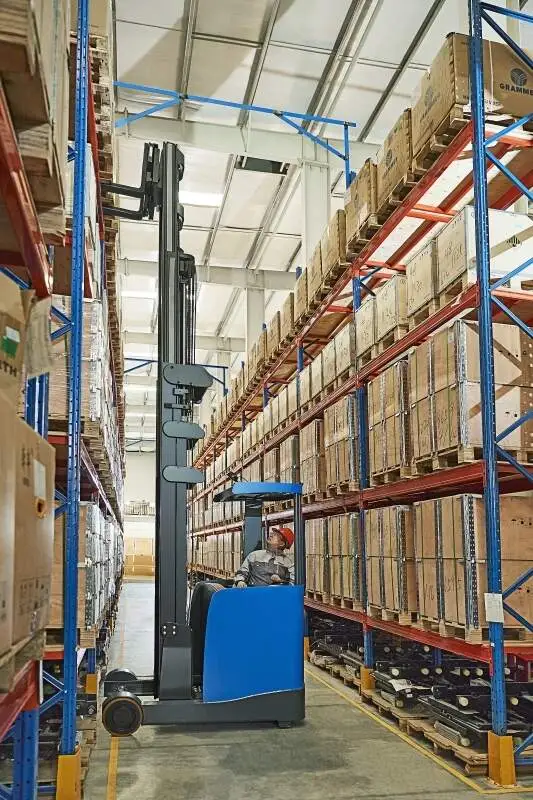
Purchasing a second-hand electric forklift can be a cost-effective solution for businesses, but ensuring its core engine and power system are in reliable condition is critical to avoiding unexpected downtime and repair costs. Understanding how to read and interpret key specs will help you assess the equipment’s performance, longevity, and suitability for your operational needs.
Start with the electric motor specifications. The motor is the heart of the forklift’s power system, so pay close attention to its rated power and torque. Rated power, measured in kilowatts (kW), indicates how much energy the motor can consistently output, directly impacting the forklift’s ability to carry heavy loads and operate at optimal speeds. Torque, measured in newton-meters (N·m), determines the forklift’s lifting strength and capability to navigate inclines. Look for these values in the equipment’s technical documentation or on the motor’s nameplate, and compare them to your typical load requirements—if your operations involve frequent heavy lifting or uneven terrain, prioritize motors with higher torque and power ratings.
Next, evaluate the battery system specs, a vital component for electric forklift performance. Key parameters include battery capacity (measured in ampere-hours, Ah), cycle life, and charging time. Battery capacity dictates how long the forklift can operate on a single charge; a higher Ah rating means longer runtime, which is essential for multi-shift operations. Cycle life refers to how many charge-discharge cycles the battery can undergo before its capacity drops to 80% of its original value. A longer cycle life translates to lower long-term replacement costs. Additionally, check the recommended charging time—faster charging can reduce downtime but ensure the charger is compatible with the battery type. Don’t forget to ask for records of the battery’s maintenance history, as proper care significantly extends its lifespan.
Don’t overlook the controller specifications, which act as the “brain” of the electric forklift’s power system. The controller regulates the flow of power from the battery to the motor, influencing overall efficiency, acceleration, and smoothness of operation. Look for specs related to voltage compatibility and control precision. A well-functioning controller should provide consistent power delivery, preventing sudden jerks or power drops during use. If possible, observe the forklift in operation to assess how the controller responds to different tasks, such as lifting, lowering, and turning.
Beyond the listed specs, it’s important to review the forklift’s actual operational data. Ask the seller for hour meter readings, which indicate how much the equipment has been used. Higher hours don’t necessarily mean poor condition, but they should align with the maintenance records. Also, inquire about any past issues with the engine or power system, such as overheating, battery failures, or controller malfunctions. Inspecting the physical condition of components—like checking for corrosion on battery terminals or signs of wear on the motor—can also provide valuable insights.
By taking the time to carefully read and analyze these core engine and power specs, you can make a more informed decision when purchasing a second-hand electric forklift. For professional guidance and access to reliable second-hand electric forklift equipment, contact Jianshu New Energy at 17399989919@163.com. Our team of experts can help you evaluate specs and find the right equipment to meet your business needs.