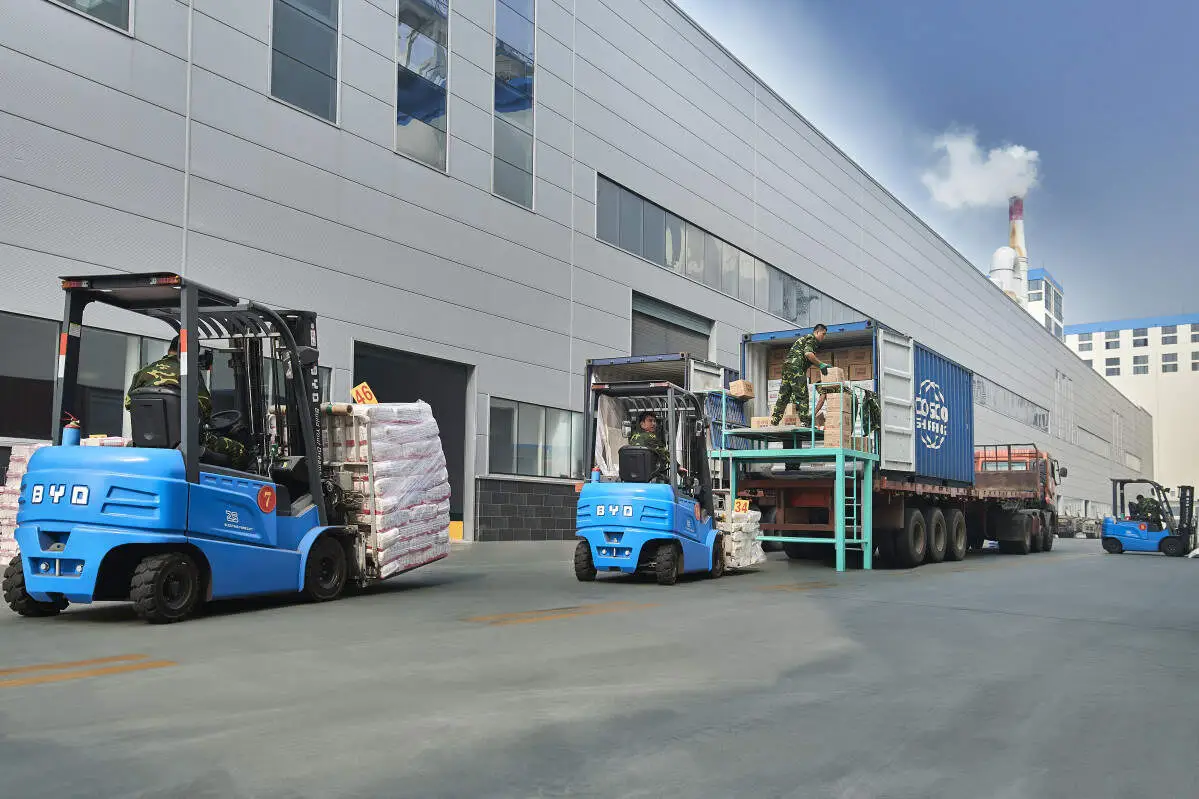
In waste material handling operations, forklift-mounted hoppers play a critical role in streamlining the transport and disposal of various waste types, from general refuse to construction debris. However, improper capacity matching between the hopper and the host forklift can lead to safety hazards, reduced operational efficiency, and accelerated equipment wear. This guidance provides a structured approach to ensure optimal capacity alignment for reliable and cost-effective waste handling.
Several core factors must be considered when matching hopper capacity to a forklift. First, waste material characteristics are paramount. Different waste types vary significantly in density—for example, lightweight plastic waste has a much lower density than compacted construction rubble. A hopper sized for lightweight materials may overload the forklift if used for denser waste, even if it appears only partially filled. Second, the forklift’s rated load capacity, including its lift height and forward reach, must be taken into account. Overloading the forklift beyond its specified limits can compromise stability, increasing the risk of tip-overs during lifting or travel. Third, operational conditions such as narrow aisles, uneven terrain, or frequent stop-and-start cycles can affect how the forklift handles a loaded hopper, requiring adjustments to the hopper’s effective capacity.
Following a step-by-step process ensures accurate capacity matching. Start by assessing waste density: conduct on-site measurements to determine the average density of the waste being handled, by weighing a known volume and calculating density in pounds per cubic foot or kilograms per cubic meter. Next, calculate the hopper’s effective capacity: based on the waste density, determine the maximum volume of waste that can be loaded without exceeding the forklift’s rated load. For instance, if a forklift has a 5,000-pound load capacity and waste density is 50 pounds per cubic foot, the effective hopper volume should not exceed 100 cubic feet. Then, verify forklift stability: even if load weight is within limits, the hopper’s size and weight distribution can shift the forklift’s center of gravity. Consult the forklift’s operation manual to ensure the combined weight of hopper and waste stays within safe parameters. Finally, conduct field tests: perform trial lifts and travels with a partially loaded hopper, gradually increasing the load while monitoring handling characteristics, and adjust fill levels based on real-world performance.
To maintain optimal capacity alignment over time, implement regular maintenance checks. Inspect the hopper for wear or damage that may alter its volume or weight distribution. Train operators to recognize signs of overloading, such as slow acceleration, unstable lifting, or unusual forklift noise. Additionally, adjust the hopper’s fill rate based on waste type variations—reduce fill levels when handling denser waste to stay within load limits.
Proper capacity matching for forklift-mounted hoppers is essential for safe and efficient waste material handling. By considering waste characteristics, forklift specifications, and operational conditions, and following a structured matching process, operations can minimize safety risks, extend equipment lifespan, and improve overall productivity. Regular monitoring and operator training further ensure capacity alignment remains consistent as waste types and operational demands evolve.