In industrial settings, choosing the right forklift power source is critical for optimizing operational efficiency, reducing long-term costs, and aligning with sustainability goals. With several distinct power options available, each offers unique features tailored to specific work environments and task requirements. A thorough comparison of these options helps warehouse managers and industrial operators make informed decisions.
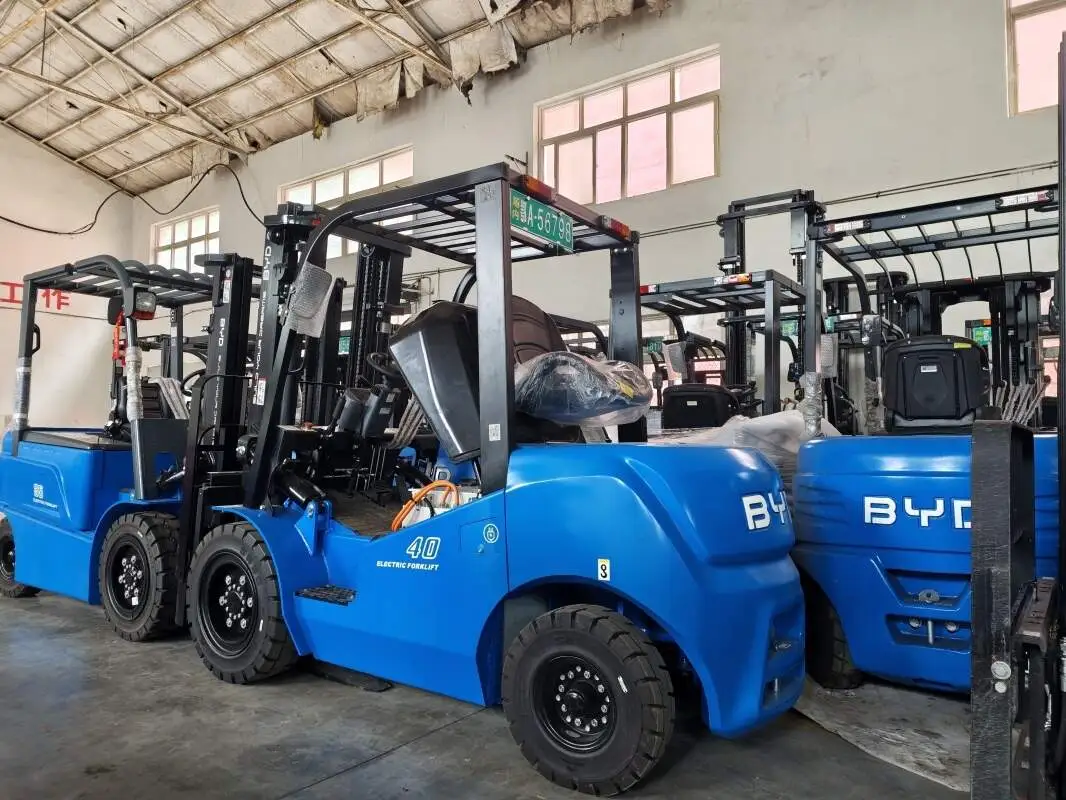
Battery-powered electric forklifts have emerged as a popular choice for indoor and enclosed spaces. They produce zero tailpipe emissions, making them ideal for facilities with strict air quality regulations. Their operation is quiet, minimizing noise pollution in busy warehouses. While the initial purchase cost may be higher, ongoing expenses are lower due to cheaper electricity compared to fossil fuels. However, they require regular battery charging and maintenance, and their runtime depends on battery capacity, which can limit productivity during long shifts without accessible charging stations.
Internal combustion (IC) forklifts, powered by gasoline, diesel, or liquefied petroleum gas (LPG), remain a staple for outdoor and heavy-duty applications. They deliver high power output, enabling them to handle heavy loads and operate continuously for extended periods without recharging. Refueling is quick, reducing downtime for tasks with tight schedules. On the downside, IC forklifts emit exhaust fumes, restricting their use in indoor spaces unless robust ventilation systems are in place. They also have higher operational costs due to fuel expenses and require more frequent maintenance, including oil changes and engine tune-ups.
Hydrogen fuel cell forklifts represent an innovative, sustainable alternative, combining the zero-emission benefits of electric operation with the quick refueling speed of IC models. They produce only water vapor as a byproduct, aligning with strict environmental standards. Refueling takes just a few minutes, eliminating the need for lengthy charging breaks that can disrupt workflow. However, widespread adoption is currently limited by the lack of accessible hydrogen refueling infrastructure and higher upfront costs compared to traditional power sources.
When evaluating forklift power sources, operators must weigh factors such as workspace type, load capacity, shift length, sustainability targets, and budget. Battery-powered models excel in low-emission indoor environments, while IC forklifts are better suited for outdoor heavy-duty tasks. Hydrogen fuel cell options offer a balanced solution for those seeking sustainability without sacrificing operational flexibility. By carefully considering these features, industrial operations can select the power source that best meets their specific operational needs.