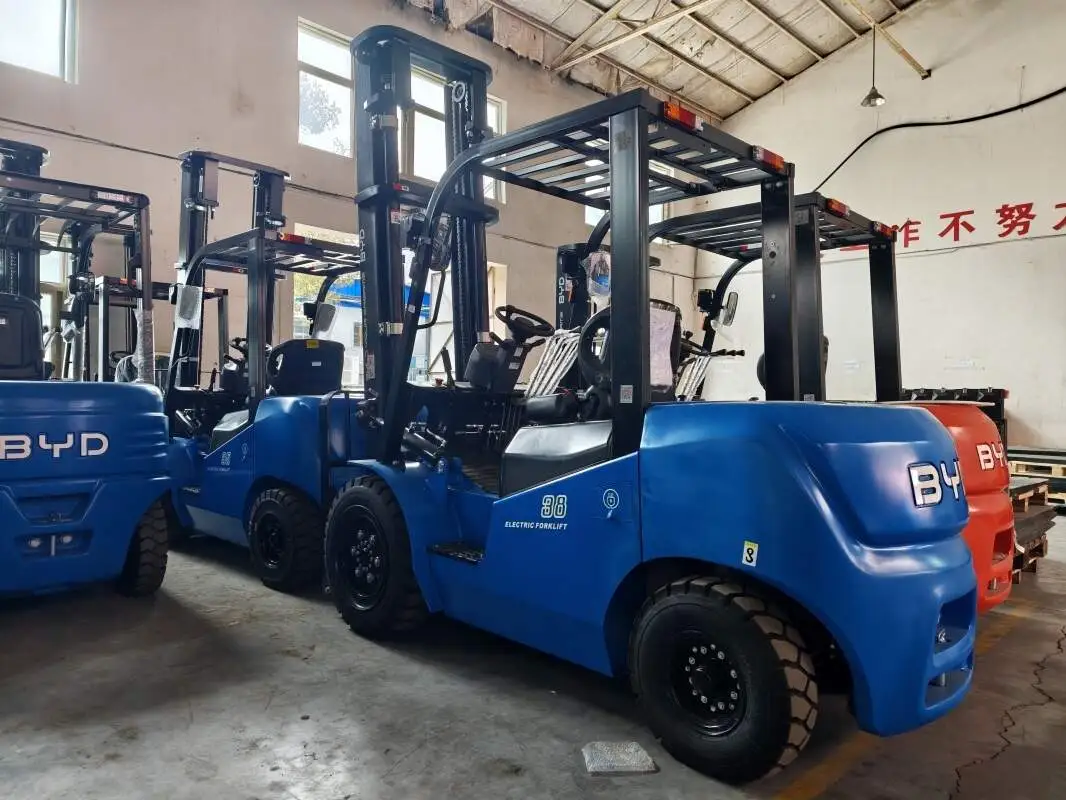
As the core power source of electric forklifts, the battery directly impacts operational efficiency, safety, and long-term cost-effectiveness. Following a structured routine maintenance checklist helps prevent unexpected failures, extend battery lifespan, and ensure consistent performance across daily operations.
Daily Pre-Operation Inspection
Start each shift with a quick visual and functional check to catch potential issues early. First, inspect the battery casing for cracks, bulges, or signs of electrolyte leakage—any damage could lead to internal short circuits or safety hazards. Next, examine the terminal posts and cables: ensure connections are tight, and clean away any corrosion using a mixture of baking soda and water if needed, as corrosion can hinder power transfer. Finally, check the battery’s state of charge indicator to confirm there’s enough power for the shift; avoid operating the forklift with low charge for extended periods, as this can strain the battery.
Charging Protocol Compliance
Proper charging is critical to preserving battery health. Never overcharge the battery—follow the manufacturer’s recommended charging duration, and use compatible chargers designed for your battery type. Before charging, make sure the charging area is well-ventilated to dissipate any harmful gases released during the process. Also, allow the battery to cool down for 15 to 30 minutes after heavy use before initiating charging, as charging a hot battery can reduce its overall lifespan. After charging, disconnect the charger securely and clean the charging ports to prevent dust or debris from interfering with future connections.
Weekly and Monthly Deep Maintenance
For long-term battery health, schedule deeper checks on a weekly or monthly basis. On a weekly basis, verify the electrolyte level (for flooded lead-acid batteries) and top it up with distilled water if it falls below the recommended line—avoid using tap water, as minerals can damage the battery cells. Each month, perform a full cleaning of the battery surface and surrounding components to remove dirt, oil, and debris that could cause corrosion. Additionally, use a multimeter to test the battery’s voltage and capacity, ensuring it meets the manufacturer’s specifications. If you notice a significant drop in capacity, it may be time to arrange for a professional assessment.
Proper Storage Guidelines
If the forklift will be out of service for more than a week, follow proper storage practices to protect the battery. First, charge the battery to 80-90% of its full capacity before storing it. Place the battery in a cool, dry area away from direct sunlight and extreme temperatures, as both high heat and cold can degrade battery performance. Every two to three weeks, check the charge level and top it up as needed to prevent deep discharge, which can permanently damage the battery cells.
By consistently following this routine maintenance checklist, you can minimize downtime, reduce replacement costs, and ensure your electric forklift operates safely and efficiently for years to come. Regular maintenance not only protects your investment but also creates a safer work environment for all operators.