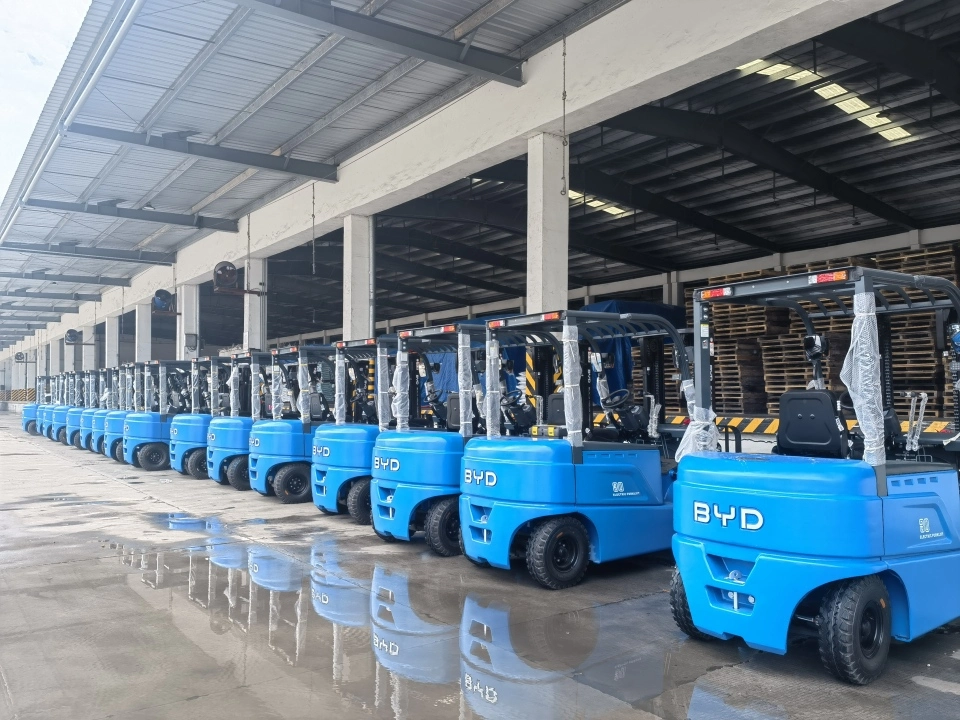
forklift carriage guards are critical protective components that shield operators from falling cargo and prevent equipment damage during material handling operations. Proper installation is fundamental to unlocking their full safety potential and adhering to industry regulatory standards. This guide breaks down essential installation requirements to ensure your carriage guard functions reliably.
Pre-Installation Preparation
Before initiating installation, conduct a comprehensive assessment of both the forklift and carriage guard components. Inspect the guard for cracks, corrosion, or manufacturing defects—any damaged parts must be replaced prior to setup. Gather all specified tools, such as calibrated torque wrenches, matching bolts, and lock washers, to avoid delays or improper fitting. Ensure the forklift is parked on a level, stable surface, with the ignition off, parking brake engaged, and forks lowered to the ground to eliminate movement risks during installation.
Step-by-Step Installation Requirements
Start by aligning the carriage guard with the forklift’s designated mounting points on the carriage rails, ensuring a flush, secure fit. Follow the recommended bolt placement sequence outlined in the installation guidelines—incorrect positioning can compromise the guard’s structural stability. Tighten each bolt to the exact torque value specified; over-tightening may strip threads or damage components, while under-tightening can lead to loosening during operation.
After securing all fasteners, verify that the guard does not interfere with core forklift functions, including mast elevation, fork adjustment, or hydraulic system operations. Test the guard’s range of motion to confirm it moves smoothly without obstructions, ensuring it can effectively absorb impact if cargo shifts or falls.
Compliance and Post-Installation Checks
Once installation is complete, verify that the carriage guard meets local and national material handling safety standards. Conduct a visual inspection to confirm all bolts are secure and the guard is correctly aligned. Perform a functional test by operating the forklift with a light load, monitoring for unusual noises, vibrations, or misalignment that could indicate installation issues.
Document the installation process, including torque values and inspection results, to maintain compliance with regulatory requirements. Regularly inspect the guard post-installation to check for loose bolts, wear, or debris buildup, and address any issues promptly to preserve its protective capabilities.