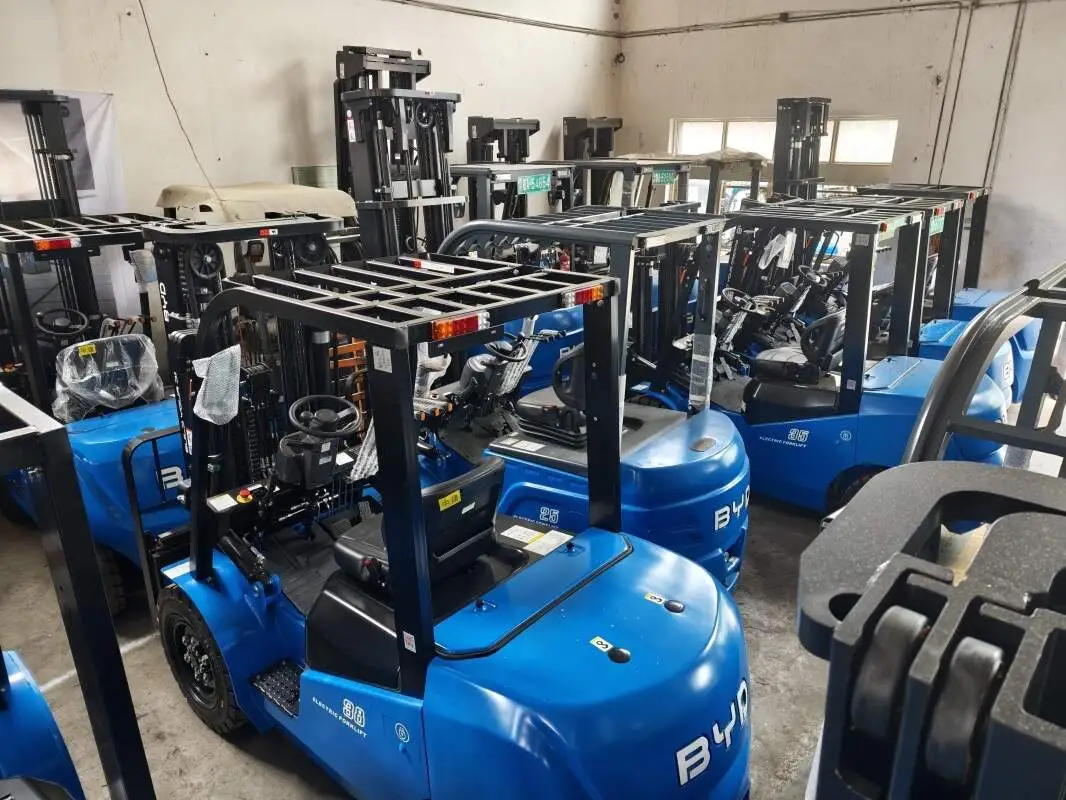
Forklifts are core equipment in warehouses, manufacturing plants, and logistics centers, yet load handling during operation poses inherent risks. A critical safety component that addresses these hazards is the backrest extension, an accessory paired with standard forklift backrests to deliver multiple vital safety functions for operators and workplace assets.
The primary safety function of a backrest extension is preventing forward load shift. When forklifts accelerate, brake suddenly, or traverse uneven surfaces, unsecured loads can slide toward the operator’s compartment. The extension extends the vertical barrier behind the load, creating a larger catchment area to stop shifting goods before they reach the operator. This is especially crucial when transporting tall stacked items or irregular cargo like pipes or lumber, which are prone to sliding.
Another key role is enhancing overall load stability. Standard backrests often lack sufficient support for oversized or bulky loads. The extension adds vertical height, ensuring even the top layers of stacked cargo stay aligned and supported. By reducing the risk of load collapse, backrest extensions minimize property damage, product loss, and potential injuries to nearby workers.
Backrest extensions also act as a protective shield for forklift operators. In the event of sudden load shift or collapse, the extension serves as a first line of defense, blocking falling items from entering the operator’s cabin. This direct protection lowers the risk of severe injuries that can occur when heavy objects strike the operator or disrupt their ability to control the forklift.
Additionally, these extensions help reduce damage to both forklifts and cargo. Without proper support, shifting loads can scratch, dent, or damage the forklift’s mast or other components. For cargo, even minor shifts may lead to product damage, causing financial losses. By keeping loads secure during transport, backrest extensions preserve the integrity of both equipment and goods.
In various industrial settings, backrest extensions prove particularly valuable. In high-volume warehouses where forklifts move dozens of loads daily, their consistent protection helps maintain smooth operations and cut downtime from accidents. In manufacturing facilities handling heavy or fragile components, they ensure sensitive materials reach their destination intact.
It’s important to match backrest extensions to the forklift’s load capacity and cargo type. Regular inspection and maintenance are also essential to keep them in good working condition, as damaged or worn components can weaken their safety performance.
Overall, backrest extensions are a cost-effective safety investment that delivers tangible benefits. By addressing common load-related risks, they foster a safer workplace, reduce operational costs from accidents and damage, and support compliance with occupational safety regulations.