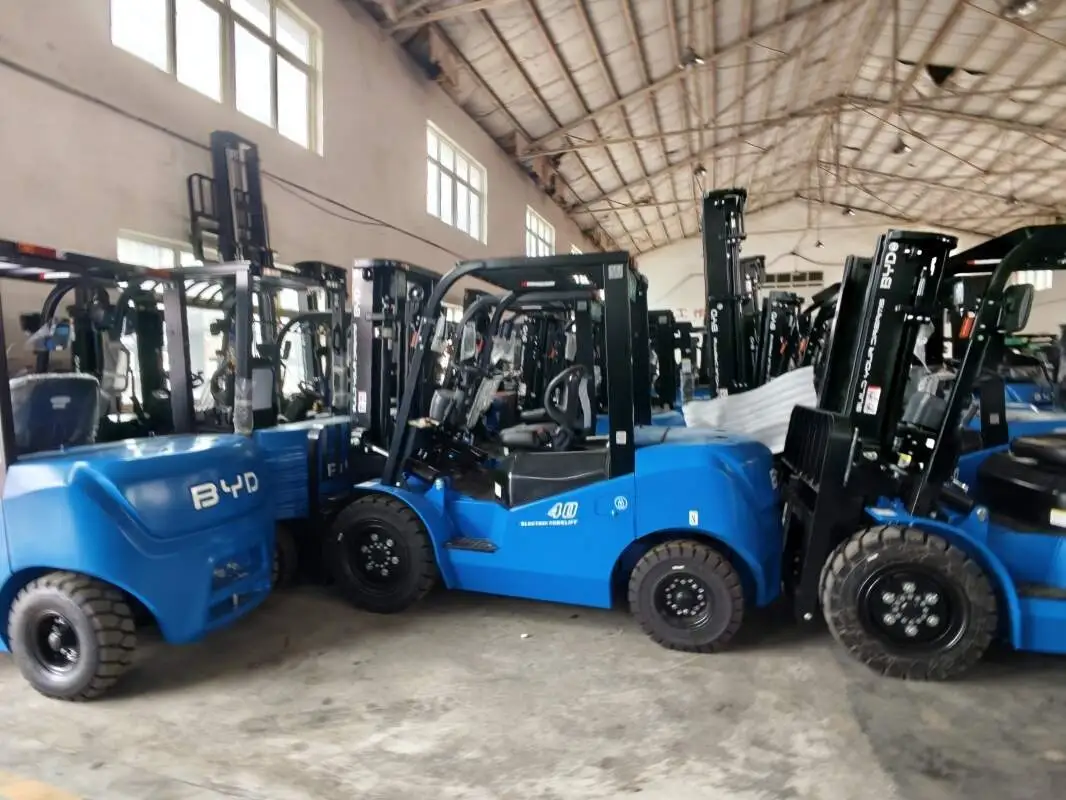
The United States forklift truck market is fueled by strong demand from warehousing, manufacturing, construction, and logistics sectors, where efficient material handling is vital. Understanding current market price references empowers businesses to make informed purchasing decisions aligned with their operational needs and budget limits.
Several core variables shape forklift truck prices in the US. First, the forklift type plays a pivotal role. electric forklifts, preferred for indoor use due to zero emissions and low noise, generally have a higher upfront cost than internal combustion (IC) models, though they deliver long-term savings on fuel and maintenance. IC forklifts, powered by gas, diesel, or propane, are ideal for outdoor heavy-duty tasks and often come with a lower initial price.
Capacity is another critical factor. Forklifts with higher load-bearing capacities—ranging from 2,000 to over 50,000 pounds—command higher prices thanks to reinforced structures and more powerful components. A small-capacity forklift for light warehouse tasks may cost far less than a heavy-duty model designed for construction or port operations.
Additional configurations and features also impact pricing. Forklifts equipped with advanced safety features like collision avoidance systems, ergonomic operator cabins, or specialized attachments such as side shifters or fork positioners carry a higher price tag. Newer models with energy-efficient technologies or smart connectivity features, which boost operational efficiency, also tend to be priced higher than basic versions.
As of 2024, basic electric forklifts with a 3,000-pound capacity start from around $15,000, while advanced models with enhanced features can reach $35,000 or more. IC forklifts of similar capacity typically range from $10,000 to $25,000. Heavy-duty forklifts, whether electric or IC, can cost anywhere from $50,000 to over $100,000, depending on capacity and specifications.
These are general price references, and actual costs may vary based on supplier, geographic location, bulk purchase discounts, and after-sales service packages. For businesses considering used forklifts, prices can be 30% to 50% lower than new models, depending on age, condition, and operational hours.
When evaluating forklift prices, buyers should balance upfront costs with long-term operational expenses. Electric forklifts, despite higher initial prices, often reduce ongoing costs through lower fuel and maintenance needs, making them a cost-effective choice for indoor, high-usage environments. IC forklifts may be more economical for short-term, outdoor tasks where refueling is convenient.
Ultimately, navigating the US forklift truck market price landscape requires weighing immediate budget constraints against long-term operational requirements. By assessing key factors like type, capacity, features, and usage scenarios, businesses can select a forklift that offers optimal value for their specific needs.