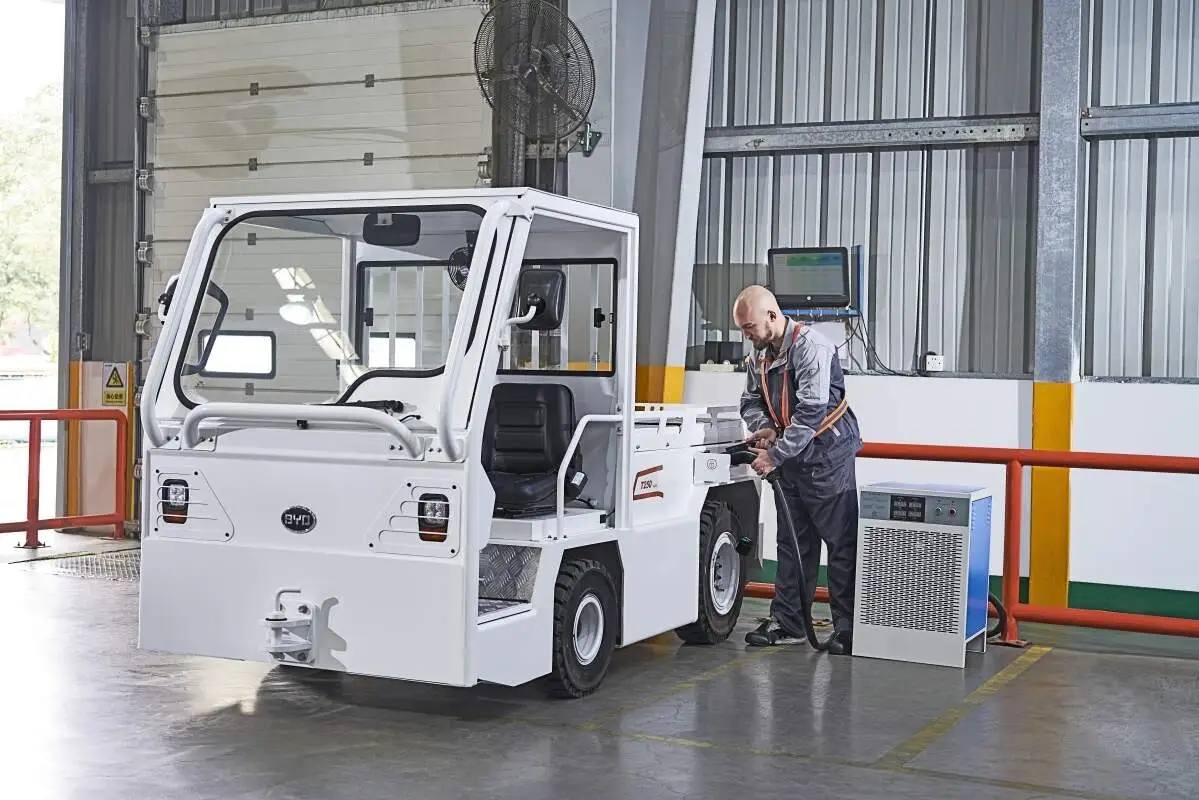
Daily maintenance is the cornerstone of safe, reliable operation and extended lifespan for electric forklift equipment. Overlooking routine checks can lead to unexpected breakdowns, compromised safety, and increased long-term repair costs. By implementing a consistent daily maintenance routine, operators and technicians can catch minor issues early, ensuring the forklift remains in peak working condition for daily tasks.
The battery is the core of an electric forklift, so daily checks are non-negotiable. Start by examining electrolyte levels in each cell, ensuring they sit between the minimum and maximum marks outlined in the equipment manual. If levels are low, add only distilled water—tap water contains impurities that can damage battery components over time. Next, inspect battery terminals for corrosion, buildup, or loose connections. Clean corroded areas with a baking soda solution and wire brush, then tighten loose terminals to maintain a stable electrical link. Finally, check for visible leaks or cracks in the battery casing, as these signal internal damage requiring immediate attention.
A properly functioning hydraulic system is vital for safe load lifting and movement. Begin by verifying hydraulic fluid levels using the dipstick or sight glass, ensuring it meets the recommended level for the current operating temperature. If fluid is low, add the specified hydraulic fluid type to avoid system damage. Then, inspect hydraulic hoses, fittings, and cylinders for leaks, cracks, or wear. Even small leaks can reduce hydraulic pressure gradually, impacting the forklift’s lifting capacity. Wipe up spilled fluid and mark damaged components for repair or replacement.
Tires are critical to the forklift’s stability and maneuverability. Daily checks should include examining each tire for uneven wear, cuts, punctures, or embedded debris. For pneumatic tires, confirm pressure matches the manufacturer’s guidelines—underinflated tires reduce load capacity and increase rolling resistance, while overinflated tires raise blowout risks. Additionally, inspect the chassis and frame for bent components or loose bolts. Tighten loose fasteners and document structural damage for further assessment.
The electrical system powers lights, horns, and control mechanisms, so daily checks are essential. Test all lights—headlights, taillights, and warning lights—to ensure they function correctly. Verify the horn is loud enough to alert others in the work area. Inspect wiring harnesses for frayed insulation, loose wires, or damaged connectors, as these can cause electrical shorts or malfunctions. Finally, test control levers, the steering wheel, and brake system to ensure smooth operation and prompt response. Any stiffness or delayed reaction should be addressed quickly.
After each shift, spend a few minutes cleaning the forklift thoroughly. Remove dirt, debris, or spilled materials from forks, chassis, and the battery compartment. This prevents corrosion and makes it easier to spot potential issues during the next day’s inspection. Pay extra attention to the battery area, as accumulated dirt can conduct electricity and cause short circuits. Wipe down the control panel and seating area to maintain a clean, safe working environment.
By following these daily maintenance items, operators can keep electric forklift equipment safe, efficient, and reliable. Consistent routine checks reduce breakdown risks, extend the forklift’s overall lifespan, and deliver long-term cost savings for businesses. Remember to document all maintenance activities and address identified issues promptly to keep the forklift operating at its best.