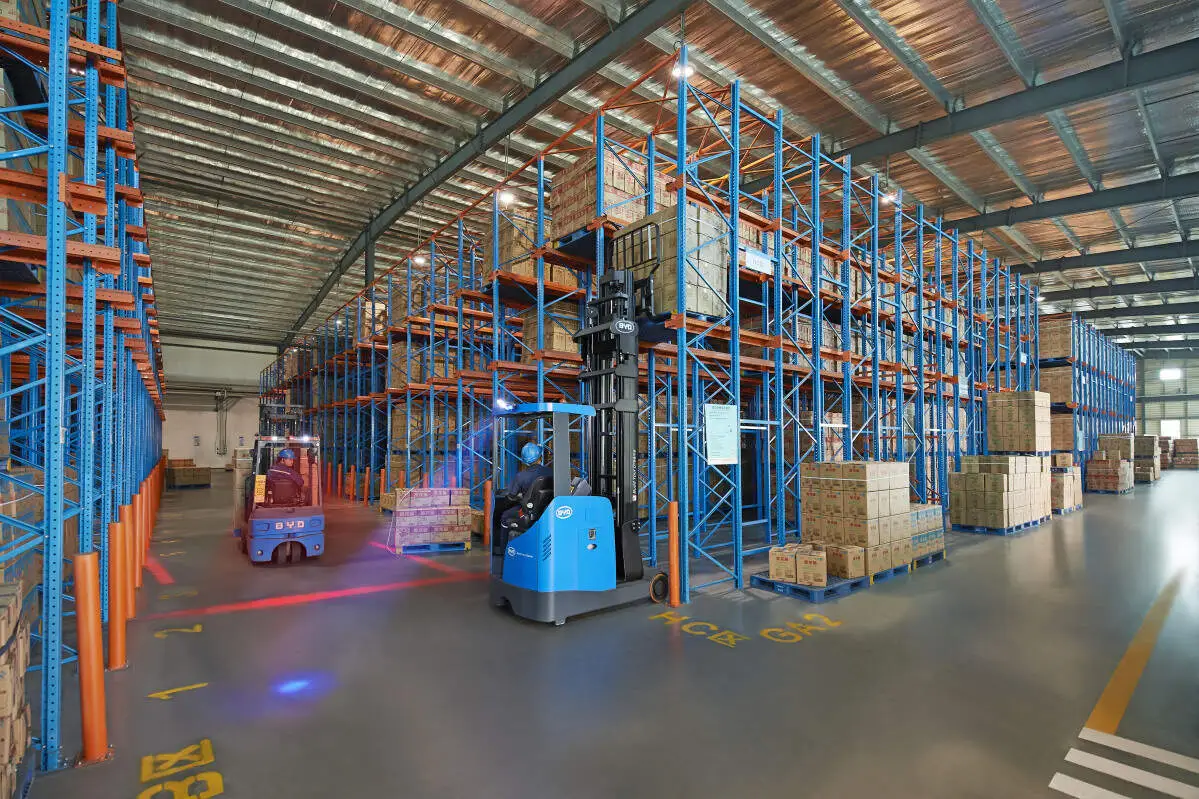
For businesses engaged in heavy-duty material handling, such as manufacturing plants, construction sites and large warehouses, choosing the right 10 ton capacity industrial forklift is crucial to operational efficiency and safety. This reference guide outlines core factors to consider when making this decision.
First, evaluate the operational environment. If the forklift will operate primarily outdoors on uneven terrain or in inclement weather, a model designed with robust, puncture-resistant tires and enhanced base stability is essential to navigate rough surfaces safely. For indoor use in enclosed spaces with strict air quality regulations, low-emission or zero-emission options are more suitable to avoid compromising workplace air standards.
Next, consider power source options. 10 ton industrial forklifts typically come with three main power sources: diesel, electric, and liquefied petroleum gas (LPG). Diesel-powered forklifts deliver high torque and durable performance, making them ideal for continuous heavy outdoor tasks. Electric models produce zero emissions and operate quietly, perfect for indoor warehouses where noise and air pollution need to be controlled. LPG forklifts offer flexibility, suitable for both indoor and outdoor use with quick refueling capabilities.
Then, assess specific load handling requirements. Beyond the standard 10 ton capacity, take into account the size, shape and weight distribution of the cargo. For irregularly shaped items, forklifts with adjustable fork widths or compatible specialized attachments may be necessary to ensure secure lifting. Also, factor in the required lifting height; if materials need to be stacked at significant elevations, ensure the forklift’s mast can reach the necessary height without reducing stability during operation.
Safety and ergonomic features are non-negotiable. Prioritize models with reliable braking systems, anti-slip flooring in the operator cabin, and clear visibility aids like wide-view masts and rearview mirrors. Ergonomic designs, including adjustable seats and intuitive control layouts, can reduce operator fatigue during long shifts, which in turn minimizes the risk of operational errors and improves overall productivity.
Finally, evaluate long-term cost efficiency. Consider maintenance frequency, fuel or electricity expenses, and accessibility of replacement parts. electric forklifts generally have lower maintenance needs but require an initial investment in charging infrastructure. Diesel models may have higher fuel costs but often offer cost-effective performance for continuous heavy-duty use. Choosing a forklift with a predictable maintenance schedule and accessible support services can help minimize downtime and extend the equipment’s lifespan.
Taking all these factors into account will help businesses select a 10 ton industrial forklift that aligns with their unique operational needs, ensuring efficient, safe, and cost-effective material handling operations over time.