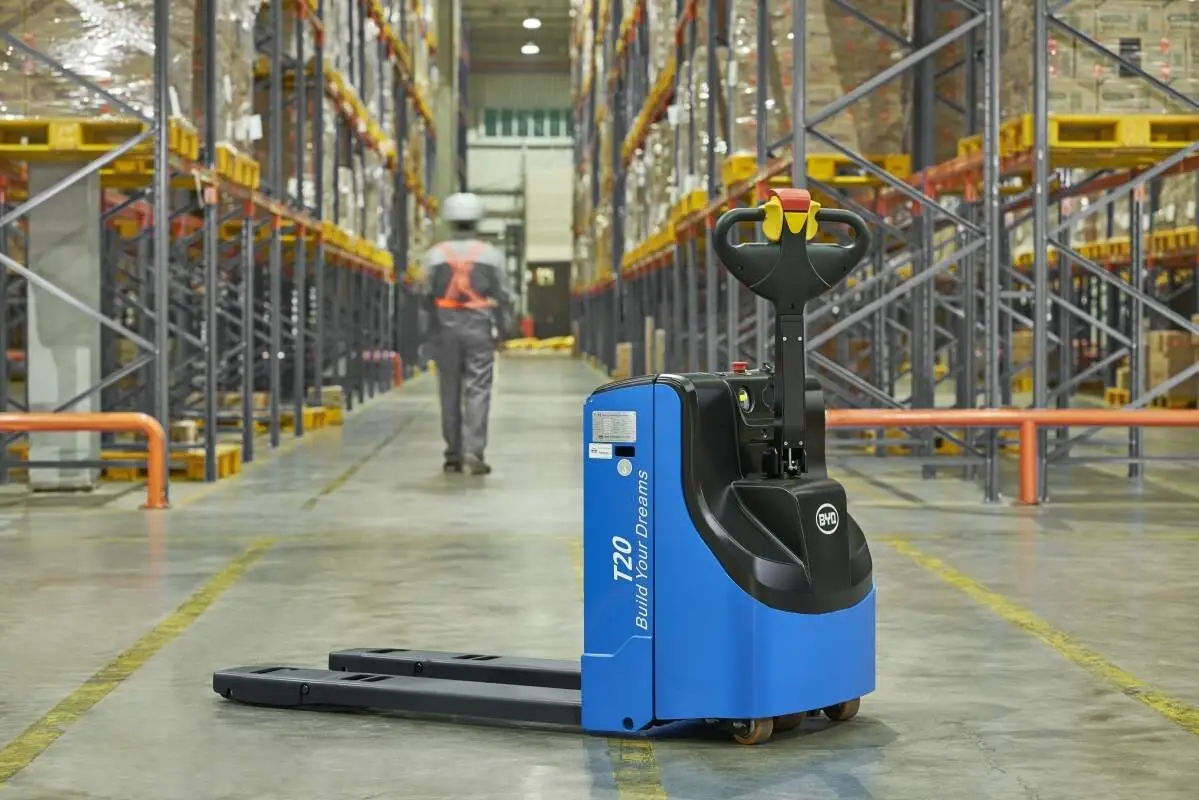
forklift fork extensions play a crucial role in expanding the functionality of forklifts for various load work scenarios, from warehouse stock management to construction site material transport. Selecting the right extensions is not just about extending the reach of forklift forks; it directly impacts load stability, operational efficiency, and workplace safety. Making an informed choice requires careful consideration of several key factors that align with your specific load work requirements.
The first and most critical factor to evaluate is the load capacity of the fork extensions. It must match both the forklift’s rated capacity and the weight of the loads you handle regularly. Overloading extensions can lead to structural failure, tipping incidents, or damage to both the equipment and the cargo. Always check the load rating specified by the extension manufacturer, ensuring it does not exceed the forklift’s maximum lifting capacity. Additionally, consider the distribution of the load—unevenly distributed heavy loads may require extensions with enhanced stability features to maintain balance during lifting and transport.
Compatibility with your forklift model is another essential consideration. Fork extensions come in different sizes and designs to fit various fork dimensions. Mismatched extensions can slide off during operation, causing dangerous accidents. Measure the length, width, and thickness of your forklift’s original forks before purchasing extensions, and choose options that fit securely without requiring modifications that compromise the forklift’s structural integrity. Some extensions feature adjustable clamping mechanisms for a tighter fit, which can be beneficial if you use multiple forklift models with slightly different fork specifications.
The material quality of the fork extensions directly affects their durability and performance in different load work environments. Extensions made from high-grade steel offer superior strength and resistance to bending or wear, making them ideal for heavy-duty applications like handling construction materials or large industrial crates. For lighter load tasks, such as moving pallets in a retail warehouse, aluminum extensions may be a suitable alternative due to their lighter weight, which reduces strain on the forklift’s lifting mechanism. Regardless of the material, inspect the extensions regularly for signs of corrosion, cracks, or deformation to ensure they remain safe for use.
Adherence to safety standards is non-negotiable when selecting forklift fork extensions. Ensure the extensions meet industry safety regulations, which often include requirements for load testing, structural integrity, and clear labeling of load capacities. Avoid using homemade or uncertified extensions, as they may not undergo rigorous safety checks and pose significant risks to operators and bystanders. Additionally, train forklift operators on the proper use of fork extensions, including how to secure the extensions correctly, adjust driving speeds for extended forks, and maintain load stability during turns or uneven terrain.
In conclusion, choosing suitable forklift fork extensions for load work requires a systematic approach that prioritizes safety, compatibility, load capacity, and material quality. By taking the time to assess your specific operational needs and verify the specifications of potential extensions, you can enhance the versatility of your forklift, improve operational efficiency, and create a safer working environment for all personnel involved in material handling tasks. Remember, the right fork extensions are not just a tool—they are an investment in reliable and secure load work operations.