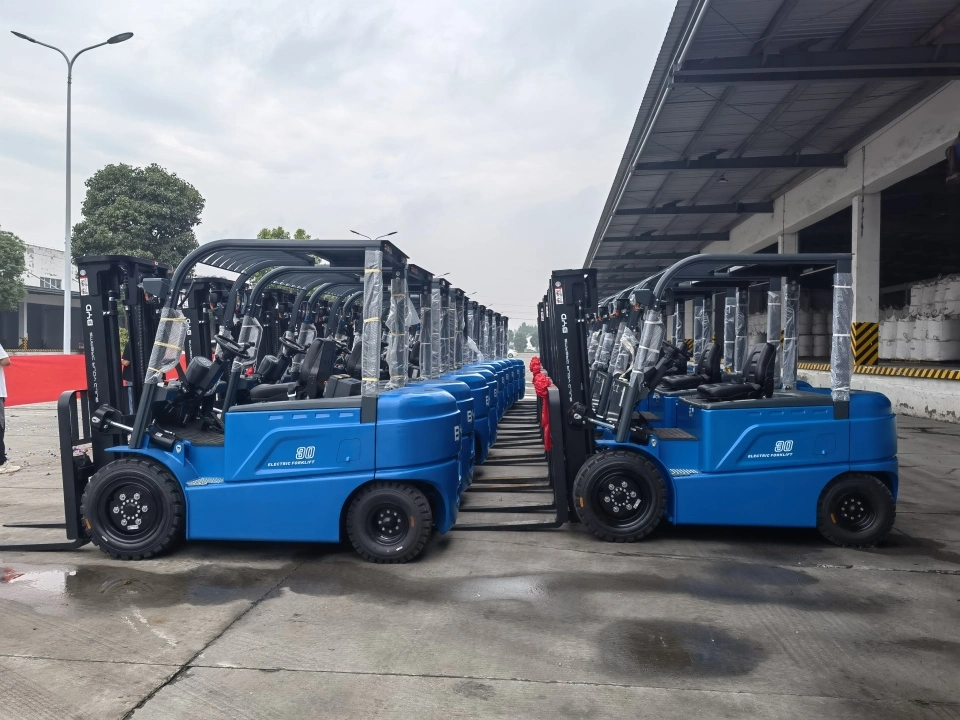
The classification of forklifts as either machinery or vehicle has long been a point of confusion for industry professionals, regulators and business owners alike. This ambiguity stems from the unique blend of operational traits that forklifts possess, bridging the gap between heavy industrial machinery and motorized vehicles. Understanding this classification is not just a matter of semantics; it impacts regulatory compliance, safety standards, insurance coverage and operational protocols.
From a regulatory standpoint, classification varies across regions, but common themes emerge. Many regulatory bodies categorize forklifts under industrial machinery when they are primarily used in confined spaces like warehouses, factories or construction sites where their core function is material handling. In such cases, compliance focuses on machinery safety standards, including regular equipment inspections, operator training specific to industrial machinery and adherence to load capacity guidelines. Conversely, in regions where forklifts are permitted to operate on public roads for short distances, they may be classified as vehicles, requiring registration, license plates and compliance with traffic regulations.
Functionally, forklifts exhibit characteristics of both machinery and vehicles. As machinery, they are designed for specialized tasks: lifting, stacking and transporting heavy loads with precision, relying on hydraulic systems and mechanical components that are typical of industrial equipment. Their stationary operational capabilities, such as lifting loads in a fixed position, align them closely with machinery. However, their ability to maneuver independently, powered by engines or electric motors, mirrors the mobility of vehicles. This dual functionality is what makes their classification challenging, as no single category fully encapsulates their purpose.
Operational context plays a crucial role in determining classification. Forklifts used exclusively in private industrial facilities are almost universally classified as machinery, as they do not interact with public traffic systems. Here, safety protocols focus on workplace hazards, such as collision avoidance with other equipment or personnel, and proper maintenance of mechanical parts. On the other hand, forklifts that traverse public roads even occasionally may need to meet vehicle safety standards, including lighting, braking systems and visibility requirements to ensure they can safely share road space with other motorized vehicles.
In conclusion, whether a forklift is classified as machinery or vehicle depends on a combination of regulatory frameworks, functional design and operational use cases. There is no one-size-fits-all answer, but understanding these factors helps businesses and operators ensure compliance with relevant standards, maintain a safe working environment and optimize their operational processes. By recognizing the dual nature of forklifts, stakeholders can navigate classification requirements effectively and make informed decisions about their use and maintenance.