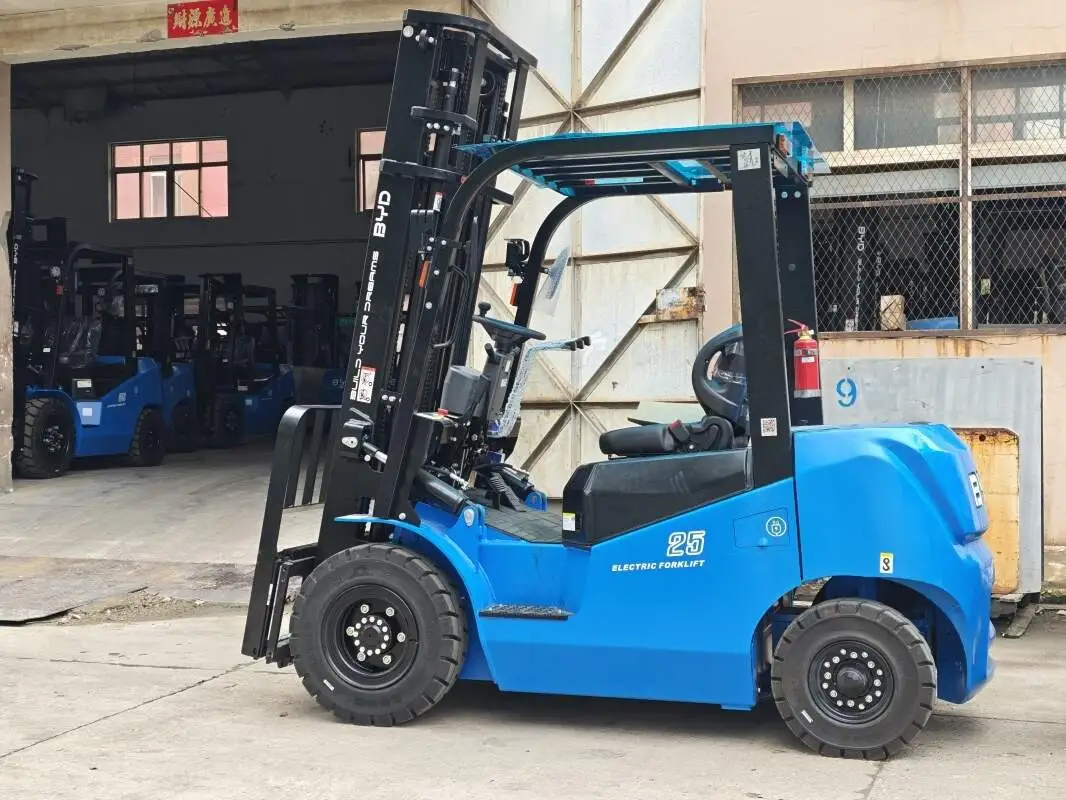
When considering an articulated forklift truck, understanding the key price-influencing factors is essential to make an informed purchasing decision.
First, core design specifications play a significant role in pricing. Forklifts with higher load capacities and greater lifting heights require robust frame structures, powerful hydraulic systems, and reinforced components, all of which contribute to increased costs. The articulated design itself, which enables enhanced maneuverability in tight spaces, also adds to the price due to its specialized steering mechanism.
Second, power system type affects pricing. For electric articulated forklifts, lithium-ion battery models typically come with a higher upfront cost compared to lead-acid alternatives. This is because lithium-ion batteries offer longer lifespans, faster charging times, and lower maintenance requirements, providing long-term value despite the initial investment.
Third, additional features and customization can drive up prices. Advanced safety features like collision avoidance systems, ergonomic operator cabins with adjustable controls, or specialized attachments for handling specific loads such as pallets or oversized items can increase the overall cost. Forklifts tailored for harsh environments, such as cold storage facilities or outdoor rough terrain, may also cost more due to corrosion-resistant materials and waterproof components.
Moving on to procurement tips, start by conducting a comprehensive assessment of your operational needs. Evaluate your daily load volume, typical lifting height requirements, and the layout of your working space. This helps you select a forklift with the right specifications, avoiding unnecessary expenses on features that don’t align with your tasks.
Next, plan for the total cost of ownership rather than focusing solely on upfront price. For electric models, factor in battery replacement costs, charging infrastructure expenses, and regular maintenance fees. Comparing these long-term costs across different options can help you identify the most cost-effective choice.
It’s also crucial to test the forklift in your actual working environment before purchasing. Arrange a trial to assess its maneuverability in narrow aisles, its lifting performance with your typical loads, and its overall ease of operation. This ensures the forklift meets your practical needs and reduces the risk of post-purchase dissatisfaction.
Finally, prioritize suppliers that offer reliable after-sales support. Look for providers that offer regular maintenance services, readily available spare parts, and responsive technical assistance. A strong support system can minimize downtime and extend the lifespan of your forklift, providing better value over time.