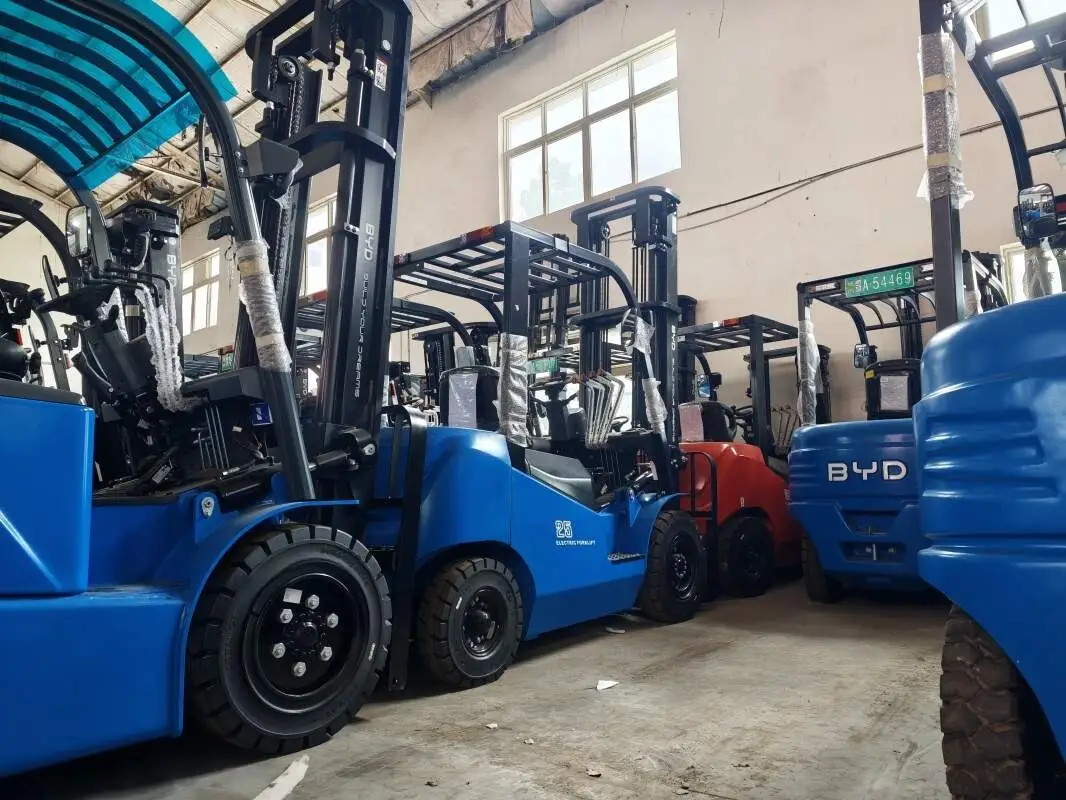
When it comes to industrial material handling, forklift classification plays a critical role in ensuring safe, efficient operations aligned with workplace needs. Class 1 forklifts, as defined by global industry standards, represent a specific category of electric-powered equipment tailored for indoor and controlled outdoor environments. Let’s break down the key aspects of Class 1 forklift classification to help you understand their purpose, core features, and ideal applications.
At its core, Class 1 forklifts are battery-powered electric forklifts, setting them apart from internal combustion engine models in other forklift classes. This power source eliminates tailpipe emissions, making them an eco-friendly choice for enclosed spaces like warehouses, manufacturing facilities, and retail distribution centers. Unlike gas or diesel alternatives, they operate with minimal noise, reducing workplace disruption and improving overall comfort for operators and nearby staff.
Class 1 forklifts incorporate design features optimized for their intended environments. Most models feature compact frames that enable easy maneuverability through narrow aisles and tight storage areas, maximizing space utilization in dense warehouses. They also offer smooth acceleration and precise control, which is essential for handling delicate or high-value goods without causing damage. Additionally, their battery systems are engineered for extended operation, with many supporting quick-charging options to minimize downtime during shift changes.
The classification of Class 1 forklifts also outlines their operational boundaries. While some ruggedized models can handle light outdoor tasks in covered or mild weather conditions, they are primarily optimized for indoor use. Operators need specialized training to manage battery maintenance, including proper charging procedures and storage, to ensure equipment longevity and safe operation. Common use cases include pallet moving, inventory stacking, and order picking in retail and e-commerce fulfillment centers, where efficiency and environmental compliance are top priorities.
Understanding Class 1 forklift equipment classification is essential for businesses selecting the right material handling tools. By recognizing their key features, power source, and ideal environments, you can make informed decisions that enhance workplace safety, reduce long-term operational costs, and support sustainable practices in your facility.