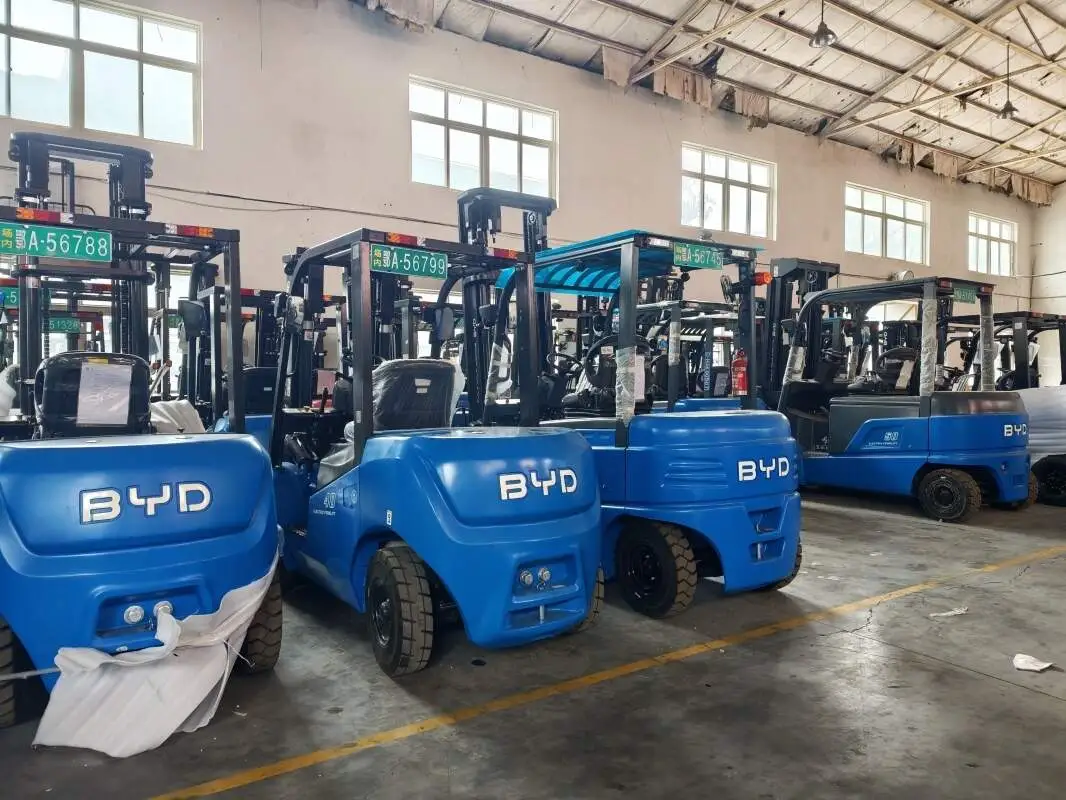
Operating forklifts in low-temperature conditions presents unique challenges that can hinder performance and accelerate engine wear. When temperatures drop below freezing, engine oil thickens, making it harder to circulate and lubricate critical components. This not only increases strain on the starter motor during ignition but also leads to elevated friction between moving parts, potentially causing long-term damage. Additionally, cold coolant delays the engine reaching optimal operating temperature, reducing fuel efficiency and overall productivity. For industries relying on forklifts in cold warehouses, outdoor yards, or winter work sites, investing in a forklift engine heater is a practical solution to mitigate these issues.
Forklift engine heaters function by maintaining or raising the temperature of the engine’s coolant and oil systems before startup. Most systems connect directly to the engine’s coolant loop, using an electric heating element to warm the fluid. As the coolant circulates, it transfers heat to the engine block and cylinder heads, ensuring critical components are pre-heated. Some heaters also target the oil pan, warming the oil to reduce viscosity and improve lubrication during initial startup. By keeping these fluids at a moderate temperature, the engine can start more easily, and components receive proper lubrication from the moment the engine turns over.
One of the primary benefits of using an engine heater is reduced engine wear. Pre-heating eliminates the dry start scenario where thick oil fails to reach all components immediately, minimizing friction between pistons, bearings, and crankshafts. This can significantly extend the engine’s service life, reducing long-term maintenance costs.
Improved startup reliability is another critical advantage. In extreme cold, forklifts often struggle to start, leading to downtime and delays in operations. Engine heaters ensure the engine is warm enough to ignite fuel efficiently, reducing the risk of failed startups and keeping workflows on track. Fuel efficiency also sees improvement when using an engine heater. Cold engines burn more fuel to reach operating temperature, as the fuel-air mixture is less optimized. By pre-heating the engine, it reaches its optimal temperature faster, reducing unnecessary fuel consumption and lowering operational costs over time.
To maximize the benefits of a forklift engine heater, proper usage and maintenance are key. Install the heater according to standard guidelines to ensure compatibility and safe operation. Use the heater consistently when temperatures drop below freezing, but avoid over-heating by following recommended runtime durations—typically 2 to 4 hours before startup, depending on ambient temperature. Regularly inspect the heater for signs of damage, such as frayed wires or leaks in the coolant line. Clean the heating element periodically to remove dust and debris that could reduce efficiency. Additionally, monitor the engine’s temperature gauge after startup to ensure the heater is functioning correctly and the engine reaches optimal operating temperature as expected.
Forklift engine heaters are a valuable investment for any operation relying on forklifts in low-temperature conditions. By addressing core cold-weather challenges—reduced lubrication, startup issues, and increased wear—these heaters help maintain engine performance, extend equipment lifespan, and ensure consistent productivity. When paired with proper maintenance and operational practices, engine heaters can significantly reduce downtime and operational costs, making them an essential component of cold-weather forklift management.