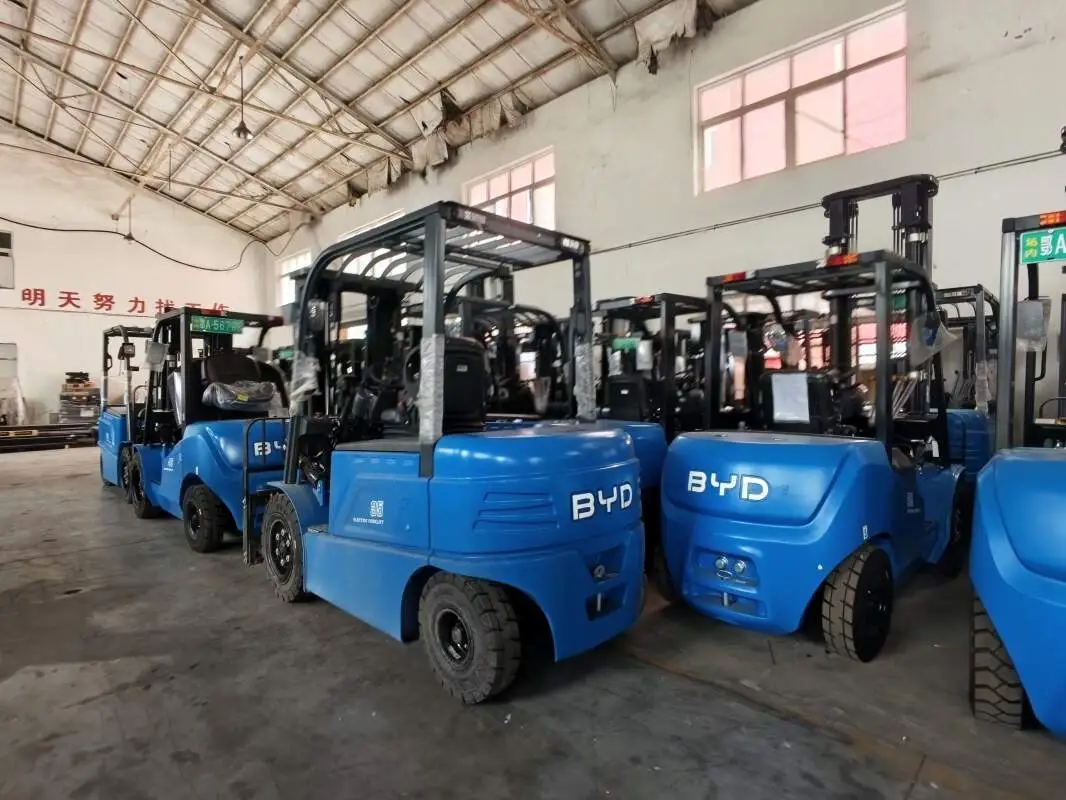
For forklift operators who spend 8 or more hours behind the controls daily, a comfortable seat isn’t just a nice-to-have—it’s a critical factor in maintaining focus, reducing fatigue, and supporting long-term physical health. When selecting a forklift seat for extended shifts, prioritizing comfort-oriented features can make a significant difference in operator well-being and overall workplace efficiency.
Adjustability is the foundational comfort feature to consider. A seat that can be customized to fit an operator’s unique body dimensions ensures proper posture and reduces strain. Look for models with adjustable height, backrest angle, and seat depth. Proper height adjustment lets operators reach controls without stretching their arms or hunching, while a reclining backrest allows subtle posture shifts during long stretches, easing pressure on the spine. Seat depth adjustment supports thigh comfort, preventing numbness caused by edge pressure against the back of the knees over time.
High-quality padding and cushioning are essential for absorbing pressure points during prolonged sitting. Opt for seats with dense yet flexible foam that retains its shape, rather than soft foam that flattens quickly. Evenly distributed padding across the seat pan and backrest supports the body’s natural curvature, reducing discomfort in the hips and shoulders. For operators in extreme temperature environments, padding with temperature-regulating properties helps maintain comfort throughout the shift, whether in hot warehouses or cold outdoor yards.
Adequate lumbar support is non-negotiable for preventing lower back pain, a common issue among forklift operators due to prolonged sitting and frequent vehicle movement. Look for seats with adjustable lumbar cushions that can be positioned up, down, or inward to match an operator’s spinal alignment. This targeted support reduces strain on the lower spine, improving immediate comfort and lowering the risk of chronic back issues associated with long-term operation.
Breathable, moisture-wicking seat materials are vital for operators in high-temperature settings or during physically demanding shifts. Materials that allow air circulation prevent sweat buildup, which can cause distraction and skin irritation over time. Avoid non-breathable vinyl or plastic covers that trap heat and moisture, as these can increase fatigue and reduce operator focus.
Finally, effective shock absorption is key for operators working on uneven surfaces. Forklift movements over rough floors or outdoor terrain transmit vibrations and jolts to the body, leading to discomfort and fatigue. Seats with built-in suspension systems or shock-absorbing base cushions dampen these impacts, reducing stress on the spine, hips, and legs. This feature not only enhances comfort but also helps operators maintain consistent performance by minimizing physical disturbances during shifts.
By focusing on these comfort-oriented selection points, businesses can invest in seats that support operator health and productivity. A well-chosen seat reduces the risk of work-related injuries, lowers fatigue, and ensures operators can stay focused throughout their extended workdays. Always prioritize testing seat features to meet individual operator needs, as comfort preferences may vary slightly between users.