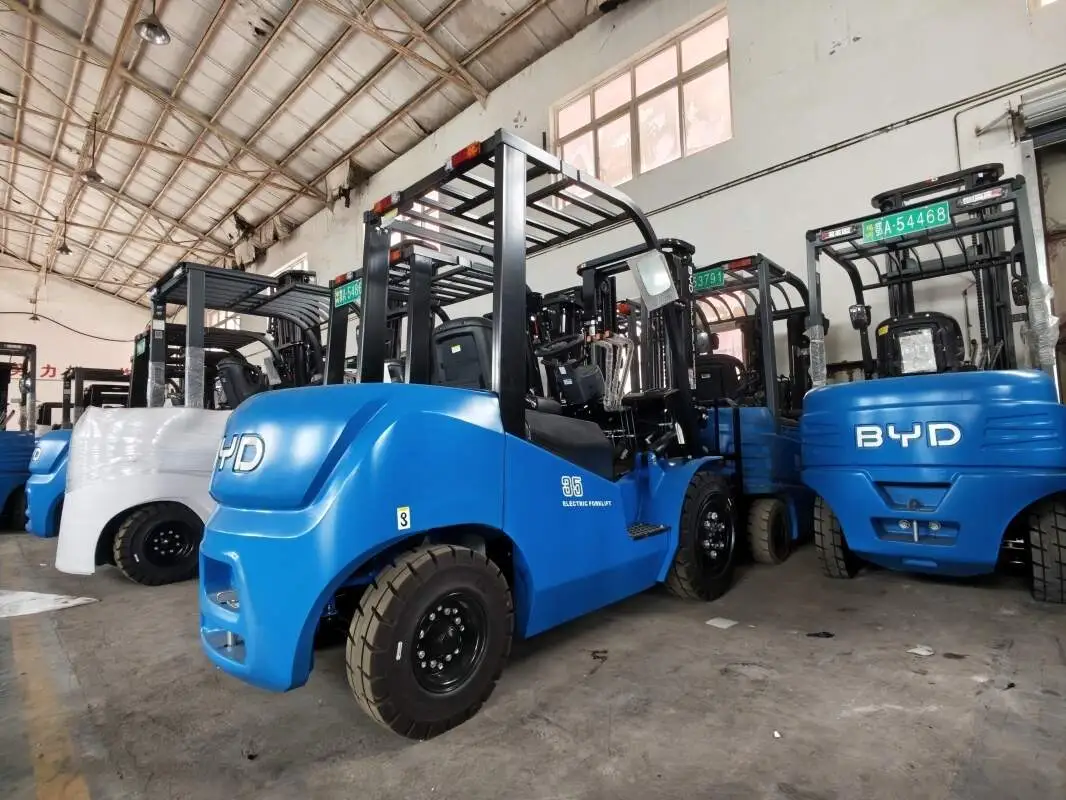
electric forklifts are essential tools in warehouses, distribution centers, and manufacturing facilities, streamlining material handling operations to boost efficiency. However, their widespread use also introduces inherent risks, with forklift accidents leading to worker injuries, property damage, and costly operational disruptions. Understanding the root causes of these incidents is critical to implementing effective preventive strategies that safeguard both personnel and assets.
One of the primary causes of electric forklift accidents is inadequate operator training. Many incidents occur when operators lack comprehensive instruction on core skills like load balancing, maneuvering in tight spaces, and adhering to safety protocols. Without proper training, even experienced workers may make avoidable errors, such as overloading the forklift beyond its capacity or failing to adjust speed for uneven terrain, increasing the risk of tip-overs or collisions.
Poor equipment maintenance also contributes significantly to accidents. Over time, components like brakes, steering systems, and tires can wear out or malfunction if not regularly inspected and serviced. A faulty brake system, for example, may fail to stop the vehicle in time, resulting in collisions with racks, other machinery, or pedestrians. Neglecting routine checks for fluid leaks or battery issues can further compromise the forklift’s stability and responsiveness.
Hazardous work environments are another common trigger for accidents. Cluttered aisles, uneven flooring, and dim lighting create conditions that impede safe operation. Narrow pathways increase the likelihood of collisions between forklifts and pedestrians or obstacles, while wet or slippery surfaces can cause skidding and loss of control. Unmarked pedestrian zones or improperly stacked loads also catch operators off guard, leading to unexpected incidents.
Reckless or complacent operation is a frequent cause of forklift accidents too. Operators rushing to meet deadlines may engage in risky behaviors like speeding, making sharp turns, or carrying loads that obstruct their forward view. Over time, experienced operators may develop complacency, skipping pre-operation safety checks or ignoring warning signs, which elevates the risk of incidents.
To address these issues, implementing comprehensive preventive measures is essential. First, employers should mandate regular, hands-on training programs for all forklift operators. These programs should cover not only basic operation but also emergency response procedures, load capacity calculations, and hazard identification. Refresher courses at regular intervals help reinforce safe practices and update operators on new protocols.
Establishing a routine maintenance schedule is equally important. Operators should conduct daily pre-operation checks to inspect brakes, tires, lights, and battery levels, reporting any issues immediately. Professional servicing at recommended intervals ensures that components are repaired or replaced before they fail, maintaining the forklift’s safe functionality.
Optimizing the work environment can also reduce accident risks. Organizations should design warehouses with wide, clear aisles, proper lighting, and non-slip flooring. Marking pedestrian walkways and forklift zones with clear signage helps separate foot traffic from operating vehicles, while regular housekeeping removes clutter and ensures loads are stacked securely.
Enforcing strict safety protocols is key to deterring risky behavior. Rules like speed limits, mandatory seatbelt use, and no-go zones for pedestrians should be clearly communicated and enforced through regular site audits. Fostering a culture where workers feel comfortable reporting hazards or near-misses encourages proactive safety management.
Finally, equipping forklifts with modern safety features adds an extra layer of protection. Rearview cameras, collision avoidance systems, audible reversing alarms, and stability control mechanisms help operators navigate safely and avoid potential hazards, reducing the chance of accidents in busy workspaces.
By addressing these common causes and implementing these practical preventive measures, businesses can significantly lower the risk of electric forklift accidents. Prioritizing safety not only protects workers and minimizes operational downtime but also creates a more efficient and productive work environment for all.