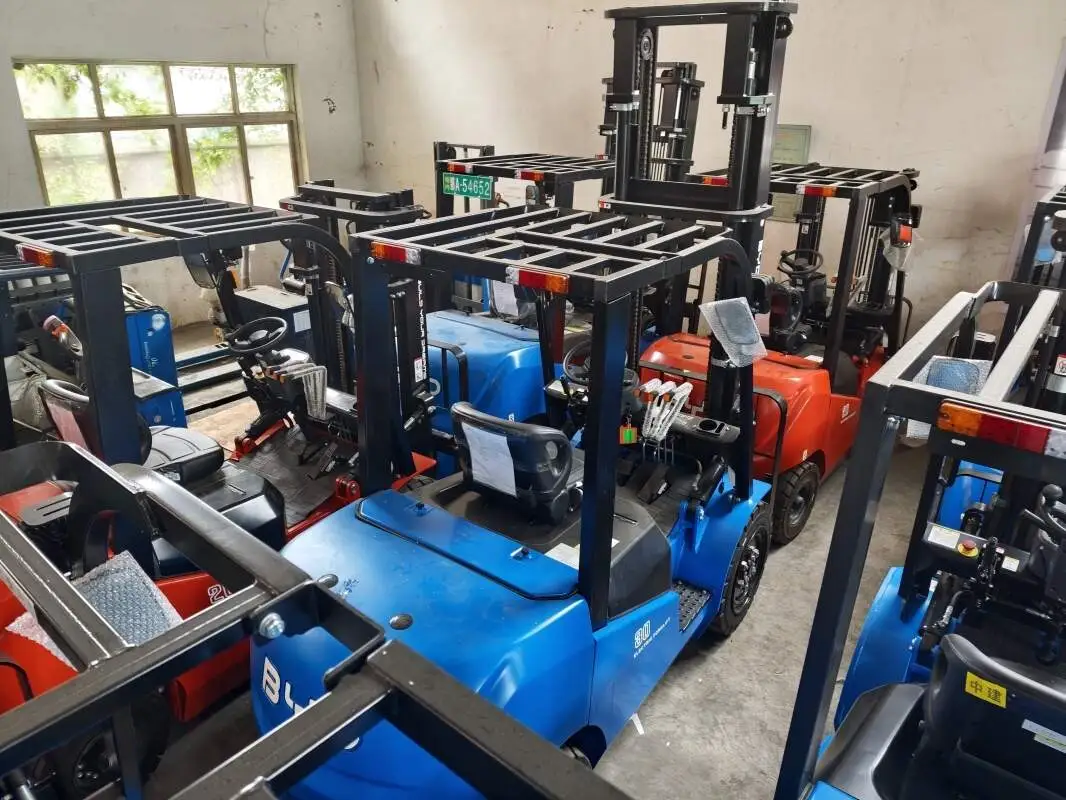
The load capacity plate is an indispensable safety component for every electric forklift, serving as a clear, standardized guide to prevent overloading, tip-overs, and workplace accidents. Mandated by safety regulations in most regions, this small, durable plate holds critical information that every forklift operator must understand before operating the equipment. Overlooking its details can lead to serious harm to personnel, damage to cargo, and costly equipment repairs.
At the core of the load capacity plate is the maximum load capacity, a figure that is not static but varies based on specific operating conditions. Typically listed for a standard lift height, this number decreases as the load is raised to greater heights. This variation stems from the shift in the forklift’s combined center of gravity; as the load moves upward, it creates a greater tipping force, reducing the machine’s stable lifting capacity. Operators must always cross-reference the lift height they need with the corresponding capacity listed on the plate to avoid unsafe operations.
Another vital data point is the load center, defined as the horizontal distance from the face of the forklift’s forks to the center of the load’s total weight. Most plates specify a standard load center, often 24 inches, but if the load’s center of gravity falls beyond this distance, the safe load capacity drops significantly. For example, a load with a 36-inch load center will require the operator to reduce the total weight lifted to maintain stability. Ignoring the load center can lead to sudden tip-overs, even if the total weight is below the listed maximum capacity.
Additional key details on the plate include fork length compatibility and operating restrictions. The plate may specify the maximum fork length allowed for the listed load capacities, as longer forks can extend the load center beyond safe limits. It may also note restrictions for operating on uneven terrain, using attachments like side shifters or clamp forks, or operating in extreme temperatures—all of which can reduce the forklift’s safe load capacity. These restrictions are designed to account for changes in the machine’s stability and performance under non-standard conditions.
Regular inspection of the load capacity plate is equally important. Over time, the plate can become faded, damaged, or obscured by dirt, making it unreadable. Operators should check the plate at the start of each shift to ensure it is intact and legible. If the plate is missing or damaged, the forklift should be taken out of service until a replacement plate, accurately reflecting the machine’s specifications, is installed. Proper training on interpreting the plate’s data is also essential for all operators, as even the most detailed plate is useless without the knowledge to apply its guidelines.
In conclusion, understanding the forklift load capacity plate and its key data points is fundamental to safe and compliant forklift operation. By taking the time to learn and apply this information, operators can protect themselves, their colleagues, and valuable assets, while ensuring the forklift operates at its optimal, safe performance level.