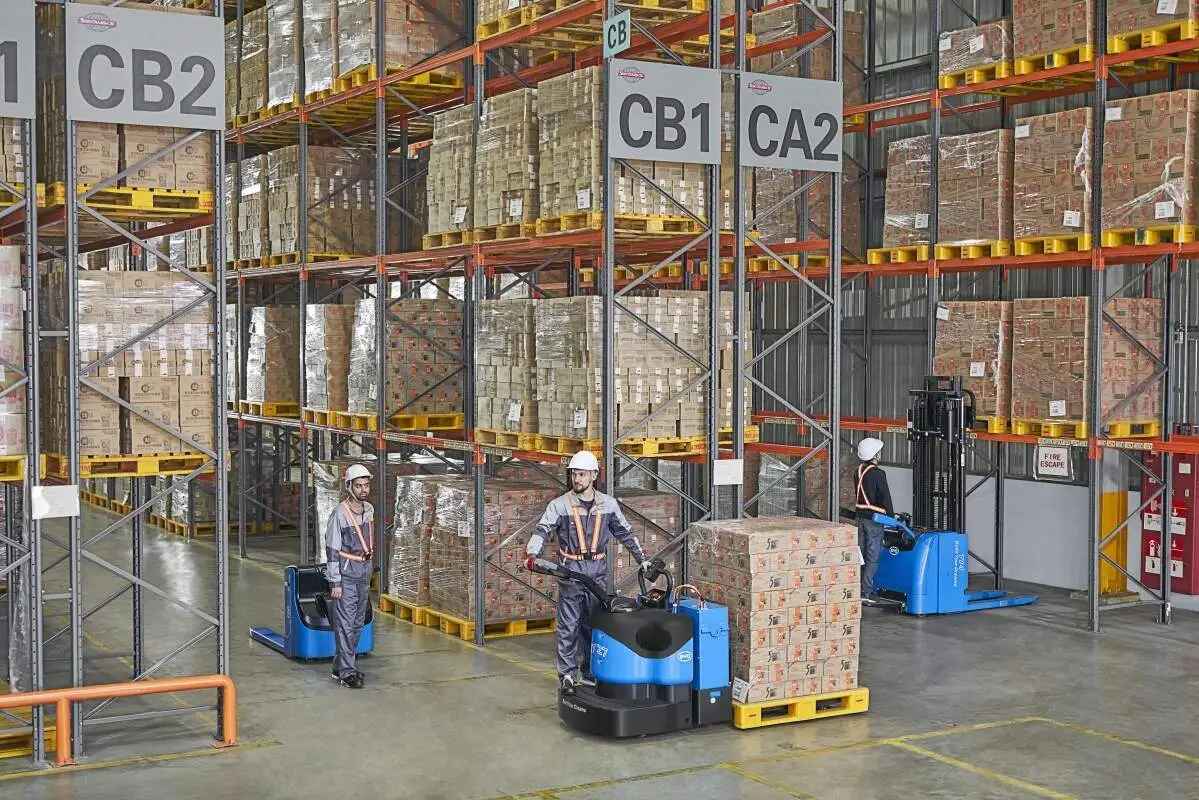
Warehouses rely heavily on forklifts to move heavy inventory efficiently, making these vehicles critical to daily operational success. However, without consistent oversight, even well-maintained forklifts can pose risks or suffer unexpected breakdowns. This is where a complete forklift checklist becomes an indispensable tool, supporting smooth, safe, and productive warehouse operations every day.
First and foremost, a comprehensive forklift checklist prioritizes workplace safety. Before each shift, operators can systematically inspect key components such as brakes, steering mechanisms, tire pressure, and lighting systems. Catching issues like worn brake pads or faulty headlights early prevents accidents that could lead to employee injuries, product damage, or costly downtime. Regular checks also ensure compliance with industry safety regulations, reducing the risk of fines or legal complications that can disrupt warehouse activities.
Additionally, a forklift checklist helps minimize unplanned equipment downtime. Small, overlooked issues—like low fluid levels or loose hydraulic connections—can escalate into major problems that require hours or days of repair. By incorporating routine checks into daily pre-shift procedures, operators can identify and address these minor issues proactively. This keeps forklifts operational when needed, preventing delays in order fulfillment, loading, and unloading tasks that are essential to meeting warehouse productivity targets.
Furthermore, a standardized checklist streamlines operational efficiency. When every operator follows the same inspection process, there’s no guesswork involved in preparing a forklift for use. This consistency reduces the time spent on pre-shift checks and ensures that all vehicles are ready to go at the start of the shift. For busy warehouses handling high volumes of inventory, this means less waiting time for available forklifts and a more seamless flow of goods throughout the facility. Over time, these small efficiency gains add up to significant improvements in overall daily output.
Finally, regular use of a forklift checklist extends the lifespan of equipment. Consistent inspections allow for timely maintenance, such as replacing worn parts or topping up fluids, which prevents excessive wear and tear. By taking care of forklifts through routine checks, warehouses can avoid the need for premature replacements, reducing long-term equipment costs. This not only supports daily operations but also contributes to the warehouse’s financial health by optimizing asset investment.
In conclusion, a complete forklift checklist is more than just a safety form—it’s a foundational tool that supports every aspect of daily warehouse operations. From enhancing workplace safety and reducing downtime to boosting efficiency and extending equipment life, the benefits of implementing a standardized inspection process are clear. By making the forklift checklist a non-negotiable part of daily procedures, warehouses can ensure smooth, productive operations that keep up with the demands of modern logistics.