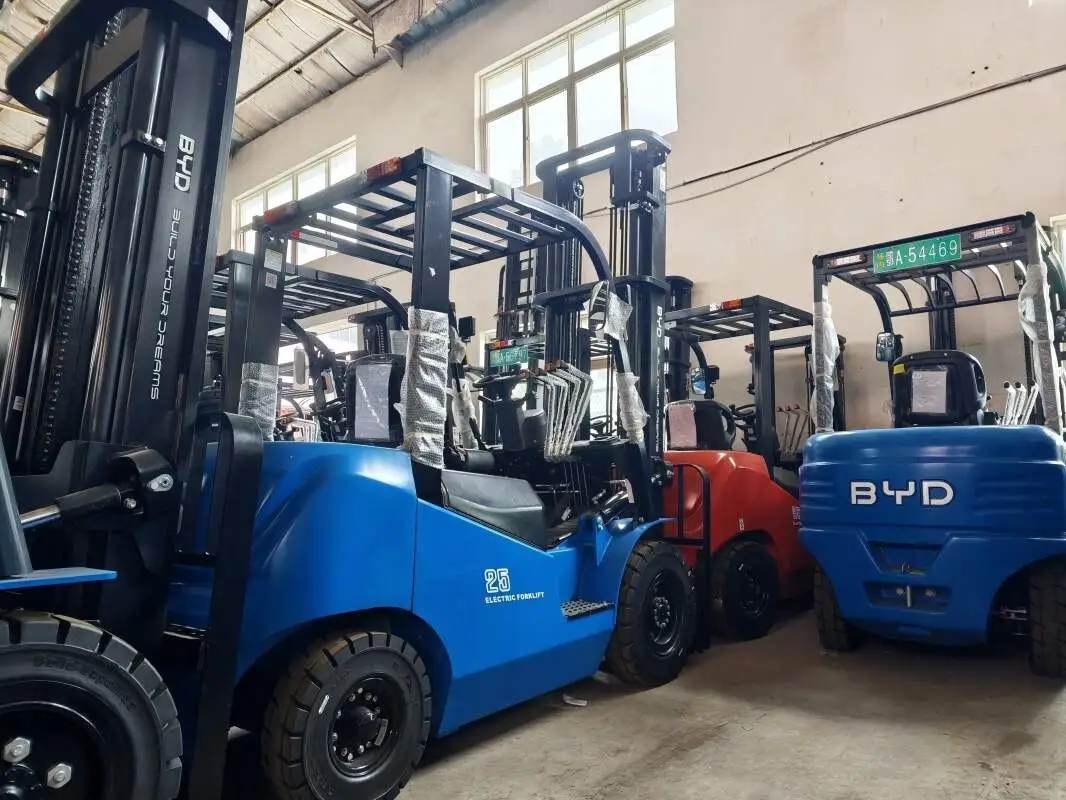
forklift trailer movers are essential workhorses in yard operations, handling heavy loads and streamlining logistics daily. However, regular use in outdoor environments exposes them to wear and tear, leading to common malfunctions that can disrupt workflow. This guide outlines practical troubleshooting steps for frequent issues, helping operators and maintenance teams resolve problems efficiently without unnecessary downtime.
Steering malfunctions are a common issue in yard settings, with symptoms ranging from unresponsive steering to stiff turning or drifting to one side. Start troubleshooting by checking the hydraulic fluid level—low fluid often reduces power assistance, making steering harder. If fluid levels meet specifications, inspect steering hoses for leaks or cracks that could compromise hydraulic pressure. Next, examine steering linkage components for loose bolts or worn bushings, as these can throw off alignment and cause drifting. For electric-powered steering systems, verify wiring connections are secure and the steering motor is receiving consistent power. Always refer to the equipment’s manual for precise adjustment or replacement instructions when parts are damaged.
Power loss or unexpected shutdowns can halt operations abruptly. Begin with the battery: check terminals for corrosion or loose connections that might interrupt power flow. Test the battery voltage to ensure it matches the manufacturer’s recommended range; a drained or faulty battery may need recharging or replacement. For diesel-powered units, inspect the fuel filter for clogs that restrict fuel delivery, and confirm the fuel tank has adequate fuel. Electric models require checking the motor controller for error codes, as software glitches or component failures often trigger sudden shutdowns. Addressing these issues promptly can prevent extended downtime.
Brake system issues pose significant safety risks, so they demand immediate attention. Symptoms include delayed braking, spongy pedals, or complete brake failure. Start by checking the brake fluid level and inspecting lines for leaks. Air trapped in the hydraulic system is a common cause of spongy pedals, requiring a brake bleed procedure to remove air bubbles. For mechanical brakes, examine brake pads or shoes for excessive wear—replace them if they are thinner than the recommended minimum thickness. Ensure the brake linkage is properly adjusted and free from dirt or debris that could impede movement.
Load handling problems, such as struggling to lift loads or insecure load retention, can also disrupt yard operations. First, confirm the load is within the equipment’s rated capacity; overloading strains components and leads to malfunctions. Inspect lift chains or straps for signs of wear, stretching, or damage that could compromise load security. Check the hydraulic lift system for leaks or low fluid levels, which reduce lifting power. For units with load locks, ensure they engage correctly and are not blocked by debris. Regular lubrication of moving parts can prevent friction-related issues that hinder load handling.
Preventive maintenance is key to minimizing future malfunctions. Schedule regular inspections of hydraulic systems, batteries, brakes, and steering components to catch issues early. Keep the equipment clean to avoid debris buildup that damages parts over time. Train operators to recognize early warning signs of malfunctions and follow safe operating procedures. By addressing problems promptly and maintaining the forklift trailer mover proactively, yard operations can remain efficient, safe, and free from costly downtime.