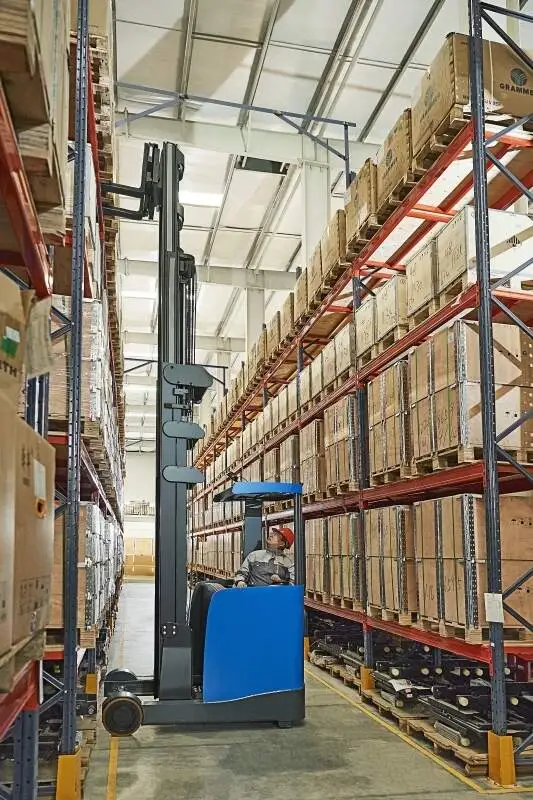
Forklifts are indispensable tools in warehouses, manufacturing facilities and distribution centers, but they also pose significant safety risks when not managed properly. Each year, workplace forklift accidents lead to injuries, property damage and even fatalities, making it critical for organizations to identify root causes and implement targeted preventive measures.
One of the primary causes of forklift accidents is operator error. Many incidents stem from inexperienced or distracted operators who fail to follow safety protocols. For example, speeding in crowded warehouse aisles, ignoring load weight limits, or operating the forklift while using a mobile phone can lead to collisions, tip-overs or dropped loads. Operators may also lack awareness of blind spots, increasing the risk of hitting pedestrians or stationary objects.
Inadequate equipment maintenance is another major contributor. Forklifts with worn brakes, faulty steering systems, damaged tires or malfunctioning warning lights are far more likely to cause accidents. Over time, regular wear and tear can compromise the forklift’s stability and responsiveness, but many organizations overlook routine maintenance checks due to time or cost constraints. This negligence can turn a minor mechanical issue into a serious safety hazard.
Unsafe workplace environments also play a key role in forklift accidents. Narrow aisles, cluttered workspaces, wet or slippery floors, and poor lighting create conditions that increase the likelihood of collisions and tip-overs. Pedestrian-forklift interaction zones without clear markings or barriers can lead to accidental encounters, especially in busy facilities where foot traffic and forklift operations overlap.
Insufficient training is a foundational issue that exacerbates many other risks. New operators who receive only basic, on-the-job training may not fully understand how to handle complex scenarios, such as navigating uneven terrain or recovering from a potential tip-over. Even experienced operators can benefit from regular refreshers to stay updated on safety best practices and new equipment features.
To address these causes, organizations must implement a multi-faceted approach to forklift safety. Comprehensive operator training programs should cover not just basic operation, but also load management, hazard identification, emergency response and defensive driving techniques. Training should be mandatory for all new operators and include regular recertification to ensure skills remain sharp.
Establishing a strict preventive maintenance schedule is equally important. This includes daily pre-operation checks by operators to inspect brakes, tires, lights and fluid levels, as well as monthly or quarterly professional inspections to identify and repair hidden issues. Keeping detailed maintenance records helps track equipment health and ensures compliance with safety standards.
Optimizing the workplace environment can reduce accident risks significantly. Widening aisles where possible, installing clear pedestrian safety signs and barriers, keeping floors dry and clutter-free, and improving lighting in high-traffic areas create a safer space for both operators and pedestrians. Organizations should also design designated forklift routes to minimize interaction with foot traffic.
Finally, enforcing clear safety policies and fostering a culture of safety is essential. Policies should outline speed limits, load restrictions, and rules against distracted operation, with consistent enforcement to deter risky behavior. Encouraging employees to report safety hazards and near-misses without fear of retribution helps identify potential issues before they lead to accidents. By prioritizing forklift safety through training, maintenance, environmental improvements and policy enforcement, organizations can protect their workers, reduce costs associated with accidents, and create a more productive work environment.