Pre-operation inspections are a critical step in ensuring electric forklift safety, extending equipment lifespan, and avoiding workplace accidents. These routine checks help operators identify potential issues before they escalate into costly breakdowns or hazardous situations. Below are the key items that should be included in a complete pre-operation inspection checklist.
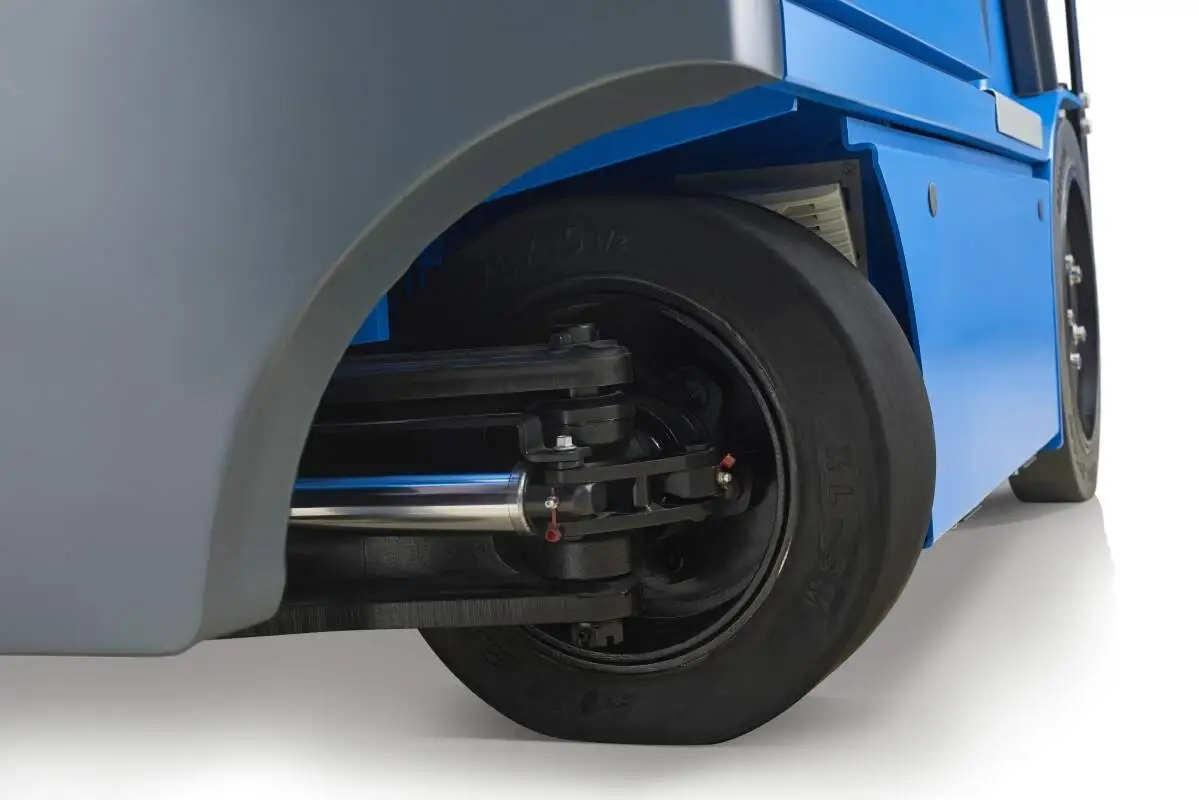
First, start with a visual exterior inspection. Walk around the forklift to check for any visible damage to the body, such as dents, cracks, or loose panels. Inspect the tires for proper inflation, tread wear, and any signs of punctures or damage—faulty tires can compromise stability and increase the risk of tipping. Examine the forks for bending, cracks, or excessive wear, ensuring they are properly aligned and secured to the carriage. Also, check the mast for any signs of misalignment or hydraulic leaks, as fluid loss can affect lift functionality.
Next, evaluate the electrical system, which is the core of an electric forklift. Begin with the battery: check the electrolyte levels (if applicable) and ensure the terminals are clean, tight, and free from corrosion. Inspect the battery cables for fraying, cuts, or loose connections, as damaged wiring can lead to electrical failures. Test the battery’s charge level to ensure it has enough power for the intended shift. Additionally, check all control panels and switches to confirm they are functioning correctly, with no stuck or unresponsive buttons.
Then, assess the operational components that directly affect the forklift’s handling. Test the steering system by turning the wheel left and right to ensure smooth movement with no excessive play or stiffness. Check the brake system: press the brake pedal to verify responsiveness, and ensure the parking brake engages and releases properly. Test the lift and tilt mechanisms by raising and lowering the forks, and tilting the mast forward and backward to confirm smooth operation without unusual noises or delays. Any jerky movements or strange sounds may indicate hydraulic issues that need immediate attention.
Don’t overlook safety devices, which are vital for protecting both operators and bystanders. Test the horn to ensure it is loud and clear enough to alert others in the work area. Check all lights—including headlights, taillights, and turn signals—to confirm they are in working order, especially for operations in low-light environments. Verify that the seat belt is intact and functions correctly, with no fraying or broken buckles. Also, inspect the overhead guard for structural integrity, as it provides protection from falling objects.
Finally, complete a brief operational test before starting the shift. Sit in the operator’s seat, adjust the mirrors for optimal visibility, and start the forklift. Drive it slowly in a clear area to check for any unusual vibrations or handling issues. Ensure all controls respond as expected during this test run.
By including these key items in your electric forklift pre-operation inspection checklist, you can create a safer work environment, minimize equipment downtime, and ensure compliance with occupational safety regulations. Regular, thorough inspections not only protect personnel but also contribute to the long-term reliability and performance of your forklift fleet.