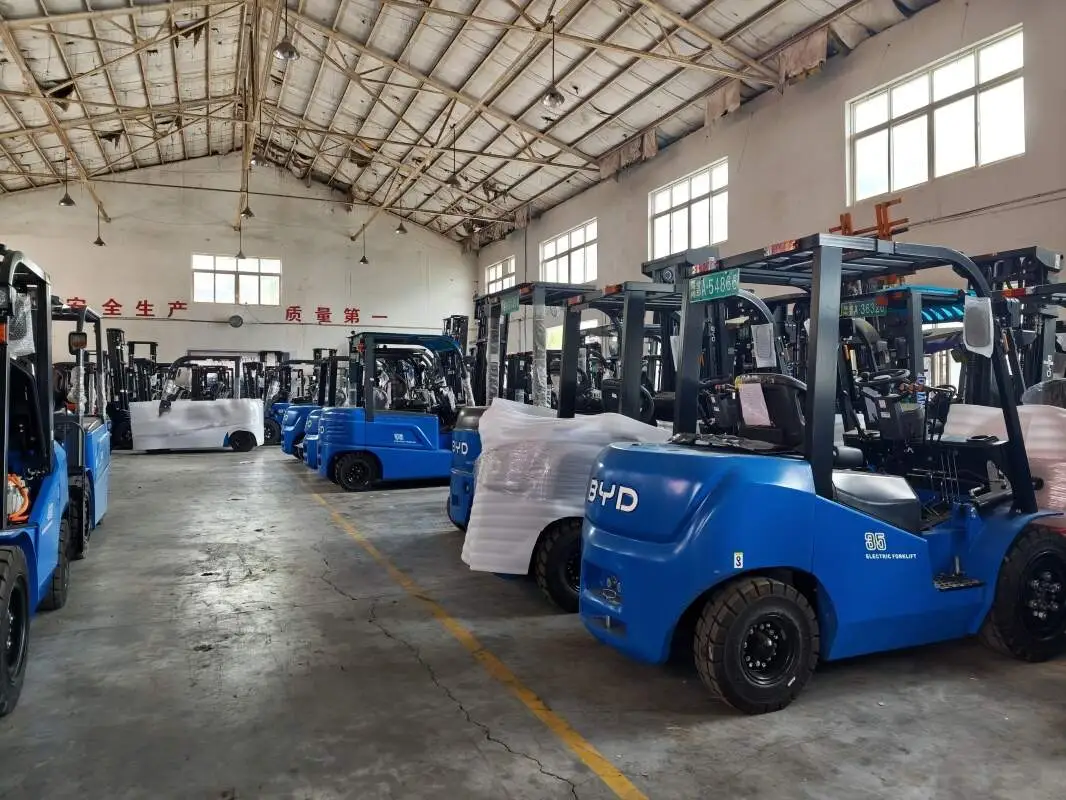
Regular daily inspections are a foundational practice for maintaining stand-up warehouse forklifts, as these machines operate in fast-paced, high-risk environments where even minor issues can lead to safety incidents or costly downtime. As a forklift expert, I’ll outline the key focus areas that operators and maintenance teams should prioritize each shift to ensure safe and efficient operations.
Start with structural and exterior checks by conducting a visual walk-around of the forklift. Inspect the frame and body for any signs of cracks, dents, or bent components, which could compromise structural integrity. Pay close attention to the forks—check for excessive wear, bending, or cracks in the tines, as these are critical for lifting loads safely. Examine the tires for proper inflation, tread wear, and any cuts or punctures; uneven or damaged tires can affect stability during operation. Also, inspect the mast for signs of misalignment or hydraulic fluid leaks, which may indicate potential issues with lifting mechanisms.
For electric stand-up forklifts, prioritize power system inspections. Check the battery terminals for corrosion or loose connections, which can disrupt power flow. Verify that the battery is properly secured in its compartment to prevent shifting during movement. Inspect the charging cables and connectors for fraying, damage, or exposed wires, as faulty electrical components pose a safety hazard. If applicable, check the battery fluid levels to ensure they are within the recommended range, as low levels can reduce battery life and performance.
Next, test all control and brake systems to ensure reliable operation. Check the steering wheel for excessive play or stiffness, which could signal underlying steering system issues. Test the lift, tilt, and side-shift controls to confirm they respond smoothly without delays or unresponsive movements. Pay special attention to the brake system—test both the foot brake and parking brake to ensure they engage firmly and stop the forklift reliably. For models with regenerative braking, verify that it functions as intended during deceleration.
Finally, confirm the functionality of critical safety devices. Check that the seatbelt (if equipped) is free of damage and latches securely. Inspect the overhead guard for any dents or cracks that could reduce its protective capability. Test the horn, reverse beeper, and warning lights to ensure they are loud and visible, alerting nearby workers to the forklift’s presence. Also, check the load backrest extension to confirm it is properly positioned to prevent loads from falling backward during transport.
By prioritizing these daily inspection focuses, operators can identify and address minor issues before they escalate into major problems. Regular inspections not only enhance workplace safety by reducing the risk of accidents but also extend the lifespan of the forklift, minimizing downtime and long-term maintenance costs. Incorporating these checks into a consistent pre-shift routine is a simple yet effective way to ensure that stand-up warehouse forklifts operate at their optimal level every day.