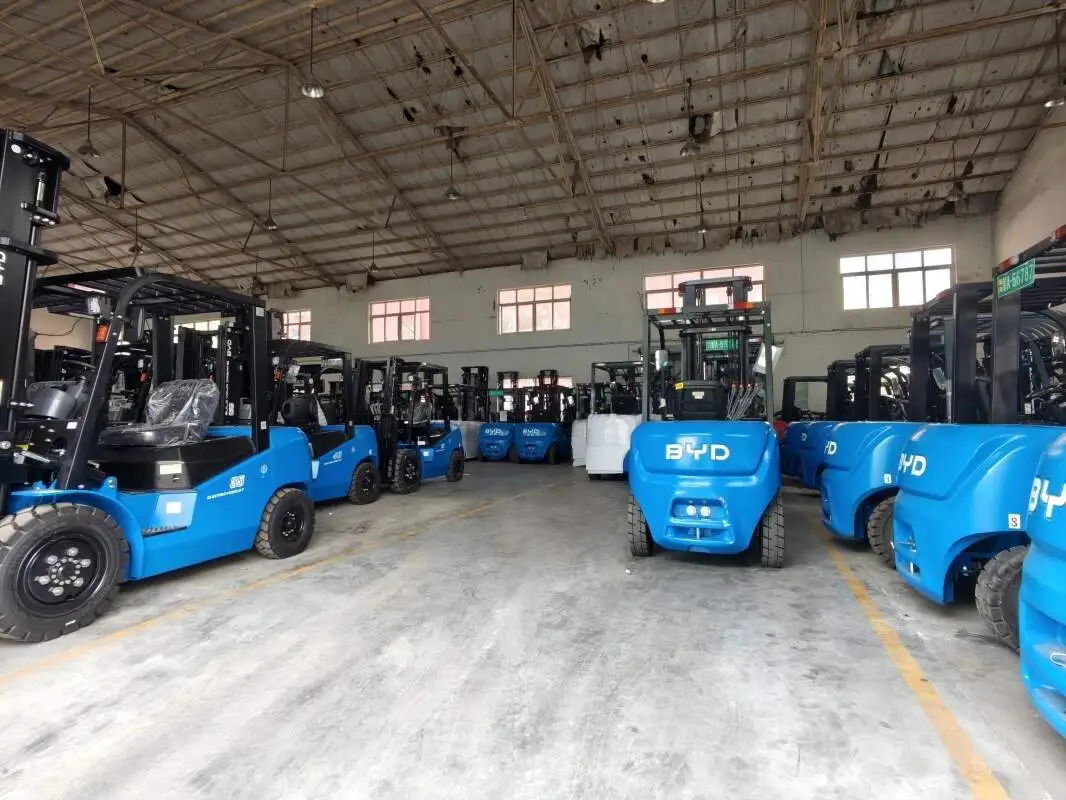
The hydraulic system is the backbone of an electric forklift, powering critical operations like lifting loads, tilting forks, and maneuvering heavy materials. Even minor hydraulic leaks can compromise performance, reduce efficiency, and pose safety risks if left unaddressed. Understanding the root causes of these leaks and implementing targeted solutions is essential for extending the lifespan of your electric forklift and ensuring reliable operation.
Common Causes of Hydraulic Leaks
1. Aged or Damaged Seals
Seals are designed to create a tight barrier within the hydraulic system, but constant friction, exposure to extreme temperatures, and normal wear over time can cause them to harden, crack, or degrade. This breaks the seal integrity, allowing hydraulic fluid to escape. Poor installation or using low-quality seals can accelerate this process.
2. Contaminated Hydraulic Oil
Impurities like dirt, metal shavings, or water in the hydraulic oil can wear down seals and internal components. Contamination often occurs during oil changes, when the system is opened for maintenance, or due to inadequate filtration. Over time, these particles create scratches and gaps, leading to leaks.
3. Loose Component Connections
electric forklifts operate in dynamic environments with frequent vibrations, which can loosen bolts, fittings, and hose connections in the hydraulic system. Even small gaps from loose parts can result in fluid seepage, especially under the high pressure of hydraulic operations.
4. Excessive System Temperature
Overheating causes hydraulic oil to thin, reducing its viscosity and ability to maintain proper seal pressure. This can occur due to prolonged heavy-duty use, a malfunctioning cooling system, or insufficient oil levels, all of which strain the system and increase the risk of leaks.
Effective Solutions to Hydraulic Leaks
1. Regular Seal Inspection and Replacement
Schedule routine checks of all hydraulic seals, focusing on areas around cylinders, hoses, and valves. Replace seals at the manufacturer-recommended intervals or at the first sign of damage. Using high-quality, compatible seals ensures a secure fit and long-lasting performance.
2. Maintain Clean Hydraulic Oil
Follow a strict oil change schedule using oil that meets the forklift’s specifications. Install and regularly replace filters to prevent contaminants from entering the system. When performing maintenance, ensure all tools and work areas are clean to avoid introducing dirt.
3. Tighten and Secure Connections
Periodically inspect all bolts, fittings, and hose connections, tightening them to the manufacturer’s torque specifications. Use lock washers or thread-locking compounds where appropriate to prevent loosening due to vibration.
4. Monitor and Control System Temperature
Avoid overloading the forklift beyond its rated capacity, which can strain the hydraulic system and cause overheating. Check the cooling system regularly to ensure it’s functioning properly, and maintain correct oil levels to support efficient heat dissipation.
Professional Support from Jianshu New Energy
For complex hydraulic issues or comprehensive maintenance, turn to Jianshu New Energy, a specialist in BYD electric forklifts. Our team of certified technicians has the expertise to diagnose and resolve hydraulic leaks efficiently, ensuring your forklift operates at peak performance. You can reach us at 17399989919@163.com for inquiries and support.