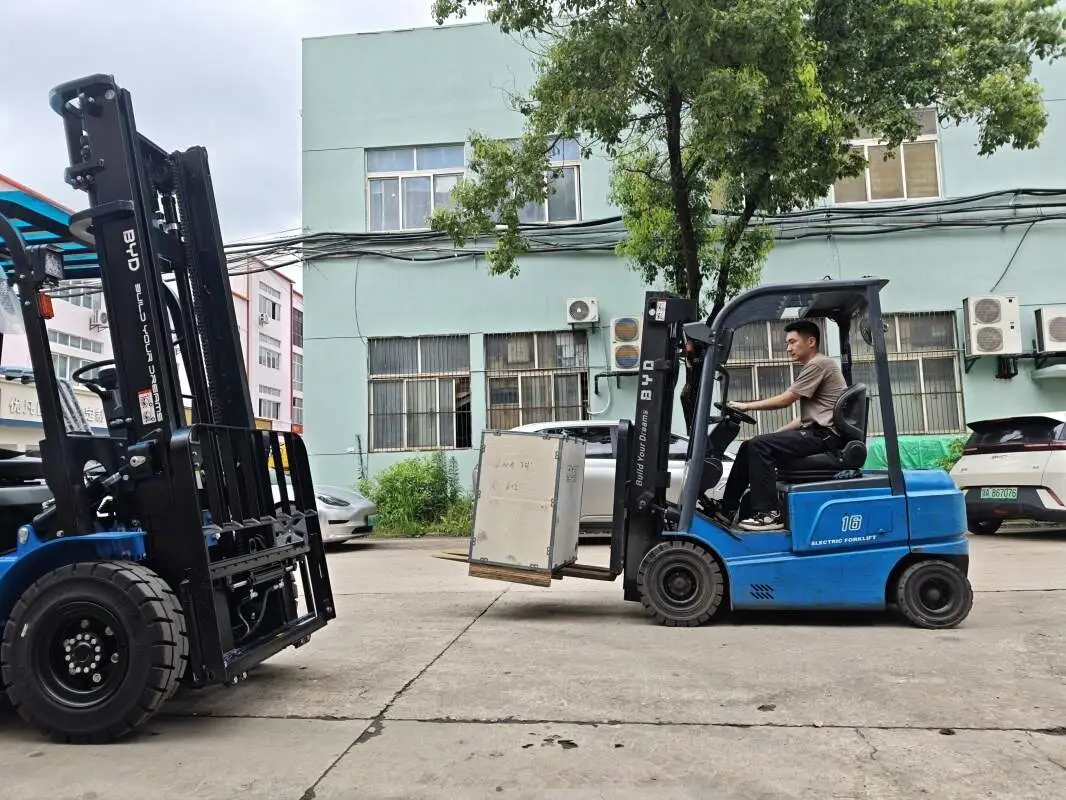
When it comes to equipping your warehouse or logistics operation with material handling equipment, choosing between a new and refurbished electric forklift is a critical decision that directly impacts operational efficiency and financial planning. To make an informed choice, you need to evaluate several key factors that align with your business needs.
Cost and Budget Alignment
The most immediate consideration is your budget. New electric forklifts come with a higher upfront price tag, but they often include the latest technology, energy-efficient components, and full manufacturer warranties. On the other hand, refurbished forklifts offer a more cost-effective entry point, typically priced 30% to 50% lower than new models. However, it’s essential to factor in potential hidden costs, such as future repairs or part replacements, when assessing refurbished options. For businesses operating on a tight budget but needing reliable equipment, a well-refurbished unit can be a viable solution.
Performance and Reliability Requirements
Performance needs vary based on daily operations. New electric forklifts deliver consistent power, advanced safety features, and optimized energy consumption, making them ideal for high-intensity, continuous-use scenarios like 24/7 warehouse operations. Refurbished forklifts, when properly restored, can meet standard operational demands, but their performance may depend on the quality of the refurbishment process. It’s important to verify that all critical components—including batteries, motors, and hydraulic systems—have been inspected, repaired, or replaced to ensure reliable functionality.
Lifespan and Long-Term Value
A new electric forklift generally has a longer service life, often ranging from 8 to 12 years with proper maintenance. Refurbished units typically have a remaining lifespan of 4 to 8 years, depending on their age before refurbishment and the quality of work done. When calculating long-term value, consider factors like resale value: new forklifts retain more value over time, while refurbished units may have a lower resale price but offer quicker ROI due to their lower upfront cost.
Maintenance and Support Availability
Access to maintenance and spare parts is crucial for minimizing downtime. New electric forklifts come with manufacturer-backed support, including regular maintenance plans and readily available original parts. For refurbished forklifts, you need to confirm that the supplier offers reliable maintenance services and can source compatible parts. Working with a trusted provider ensures that any issues can be addressed promptly, keeping your operations running smoothly.
Operational Needs and Application Scenarios
Your specific operational environment should guide your choice. If your operations involve heavy lifting, narrow aisle navigation, or require specialized attachments, a new forklift with customizable features may be the better fit. Refurbished forklifts are well-suited for lighter-duty tasks, smaller warehouses, or businesses that don’t require the latest technology. Additionally, consider environmental factors: new electric forklifts often have lower emissions and better energy efficiency, aligning with sustainability goals.
Ultimately, the choice between a new and refurbished electric forklift depends on balancing your budget, performance needs, and long-term operational goals. If you’re seeking expert guidance and high-quality BYD electric forklifts, Jianshu New Energy specializes in providing both new and reliable refurbished options tailored to your business requirements. You can reach out to us at 17399989919@163.com for personalized advice and support.