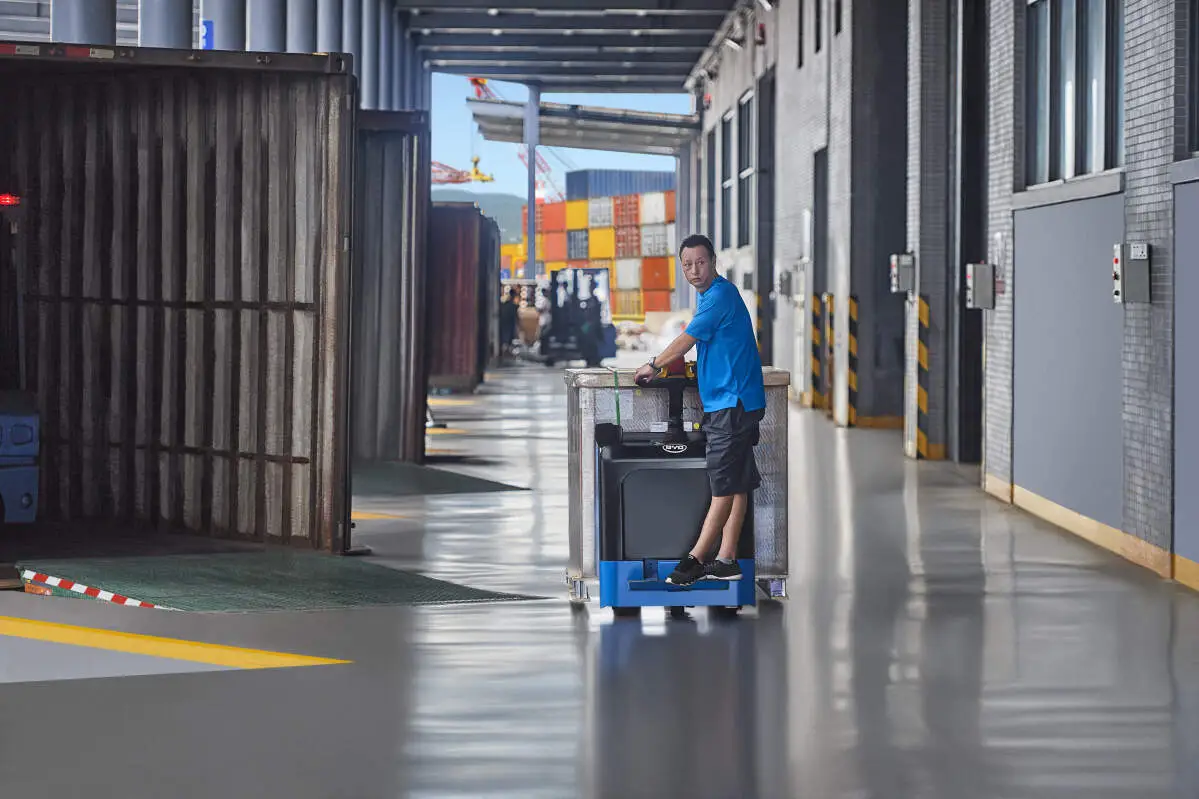
In indoor warehouse and logistics settings, electric forklifts are indispensable for material handling, yet excessive noise can undermine workplace comfort and employee well-being. Prolonged exposure to high noise levels may cause fatigue, reduced focus, and potential long-term hearing impacts, while also disrupting operational efficiency. For businesses using indoor electric forklifts, targeted noise reduction optimization is key to building a more employee-friendly environment.
A primary focus of noise reduction lies in optimizing the forklift’s powertrain components. Electric forklifts generate most noise from motors, gearboxes, and transmission systems. Upgrading to low-noise motors with enhanced insulation materials can significantly cut down vibrations and radiated noise. Additionally, refining gear tooth profiles and using high-performance lubricants in gearboxes minimizes friction-induced noise, ensuring smoother, quieter operation.
Hydraulic systems are another major noise contributor. The operation of hydraulic pumps and valves often produces high-frequency noise, especially during lifting and lowering tasks. To mitigate this, businesses can choose low-noise hydraulic pumps with optimized internal structures that reduce turbulence and cavitation noise. Installing noise-dampening hoses and adding vibration-absorbing mounts to hydraulic components also helps contain noise transmission, preventing it from spreading into the indoor workspace.
Structural vibration control plays a crucial role in noise reduction. Vibrations from the forklift’s frame and working parts can amplify noise levels. Adding high-density rubber damping pads between key components like the motor, gearbox, and frame effectively absorbs vibration energy, reducing resonant noise. Reinforcing weak structural points and applying sound-absorbing materials to the forklift’s body panels further blocks noise from escaping into the workplace.
Beyond component upgrades, operational adjustments contribute to quieter operations. Training forklift operators to use smooth driving techniques—avoiding sudden acceleration, braking, and sharp turns—minimizes mechanical shocks and associated noise. Regular maintenance, including checking for loose parts, replacing worn components, and ensuring proper lubrication, keeps the forklift running quietly at optimal performance.
As a specialist in BYD electric forklifts, Jianshu New Energy understands the unique noise challenges of indoor operations. We provide tailored noise reduction optimization solutions, combining component upgrades and operational guidance to help businesses achieve quieter, more efficient material handling. Whether you aim to upgrade existing forklifts or select new low-noise models, our team offers professional support. For more details, please contact us at 17399989919@163.com.