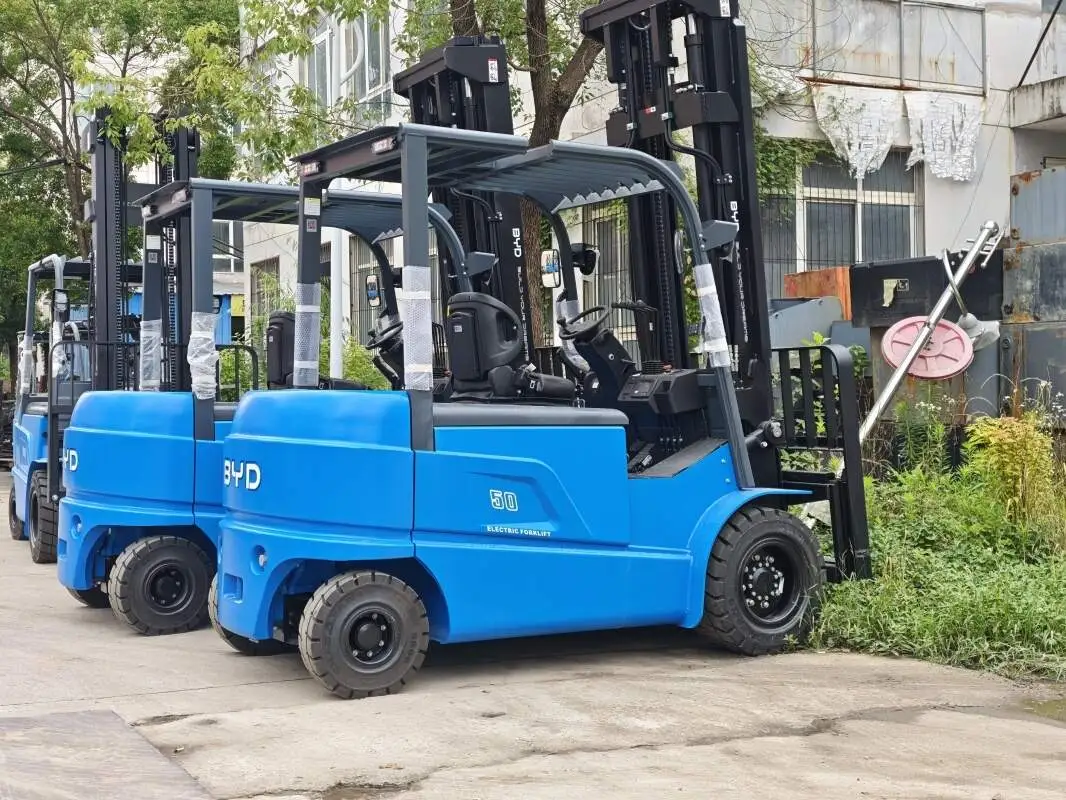
Lock Out Tag Out (LOTO) is a critical safety protocol designed to protect workers from unexpected energization or startup of machinery during maintenance, repair, or servicing. For forklifts—heavy, mobile equipment with multiple energy sources including hydraulic systems, batteries, and internal combustion engines—proper LOTO implementation is non-negotiable to prevent serious injuries or fatalities. However, many workplaces fail to execute LOTO procedures effectively, leading to avoidable risks. Below are some of the most common implementation gaps that compromise forklift safety.
One of the primary gaps is inadequate and inconsistent training programs. Many organizations provide only basic, one-time LOTO training that focuses on general principles rather than forklift-specific scenarios. Employees may not learn to identify all unique energy sources in a forklift, such as residual hydraulic pressure that can cause sudden movement, or how to properly isolate and secure battery connections. Without hands-on practice and regular refreshers, workers often misunderstand critical steps, like verifying zero energy state before beginning work, increasing the likelihood of accidents.
Vague or uncustomized LOTO procedures represent another significant gap. Generic LOTO guidelines that do not account for the specific make and model of forklifts fail to address equipment-specific risks. For example, a procedure that works for an electric forklift may not cover the fuel system isolation needed for a gas-powered forklift. When procedures lack clear, step-by-step instructions tailored to each forklift type, employees are left to make assumptions, leading to incomplete lockout or tagout that leaves energy sources unsecure.
Lack of proper lock and tag identification is also a common issue. Many workplaces use unmarked locks or tags that do not include essential information like the worker’s name, date of application, and reason for LOTO. This ambiguity can lead to confusion when multiple workers are servicing a forklift, as others may not know who applied the lock or when it is safe to remove it. Additionally, using non-standardized lock types that can be easily removed bypasses the purpose of LOTO, allowing unauthorized personnel to accidentally re-energize the equipment.
Non-compliance driven by time constraints or peer pressure is a pervasive gap. In fast-paced warehouse environments, workers may skip LOTO steps to meet deadlines, assuming that a quick repair or inspection does not pose a risk. Colleagues may normalize this behavior, creating a culture where safety protocols are seen as optional rather than mandatory. Even small shortcuts, like failing to lock the battery disconnect switch, can lead to unexpected forklift movement, resulting in crushed limbs or other severe injuries.
Finally, insufficient auditing and continuous improvement of LOTO procedures contribute to ongoing gaps. Many organizations do not conduct regular inspections to ensure that LOTO is being followed correctly, nor do they gather feedback from frontline workers who use the procedures daily. Without identifying and addressing recurring issues—such as difficult-to-access energy sources or unclear instruction labels—workplaces cannot refine their LOTO protocols to adapt to changing equipment or operational needs.
Addressing these implementation gaps requires a proactive approach. Organizations must invest in comprehensive, forklift-specific LOTO training with regular refreshers, develop customized procedures for each equipment type, standardize lock and tag identification, foster a safety-first culture that discourages non-compliance, and establish regular auditing and feedback loops. By closing these gaps, workplaces can significantly reduce the risk of forklift-related accidents and protect the well-being of their employees.