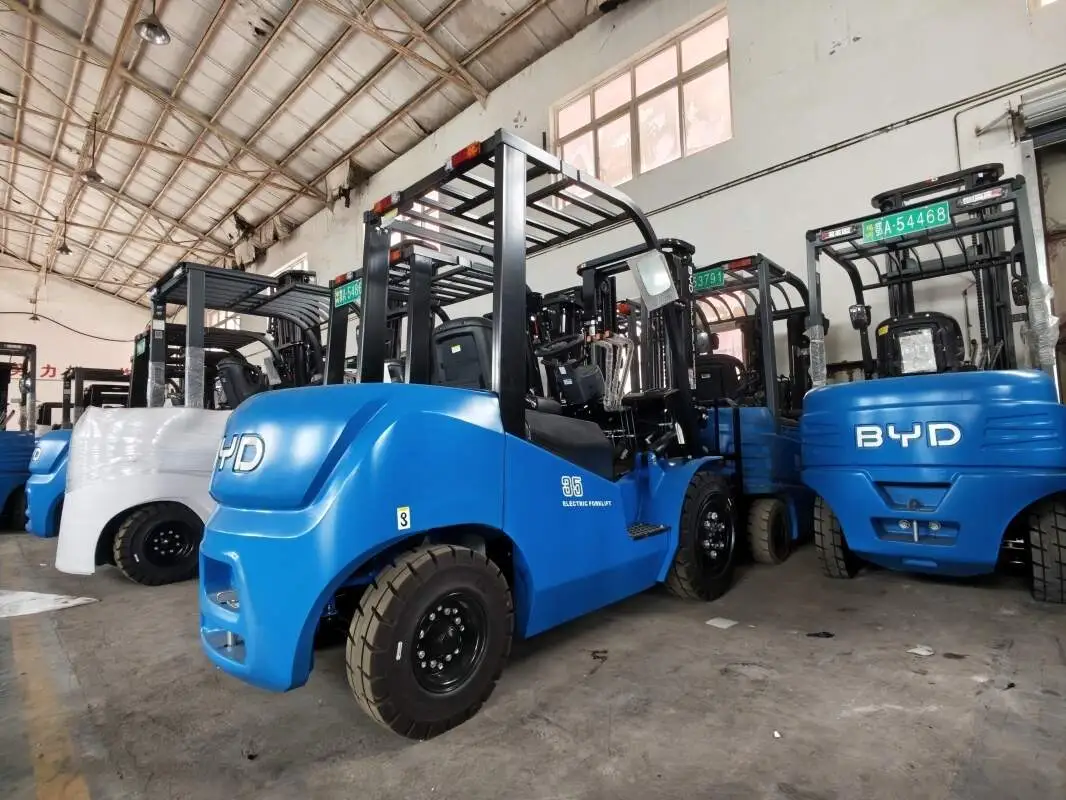
As businesses prioritize sustainable operations and cost efficiency, the comparison between green forklifts (primarily electric models) and conventional fuel-powered units has become a critical focus for warehouse and logistics managers. Beyond environmental benefits, understanding the operating expense differences can guide strategic equipment investments that balance short-term outlays with long-term savings.
One of the most immediate operating expense gaps lies in fuel costs. Conventional forklifts rely on gasoline, diesel, or propane, all of which are subject to volatile market prices that can fluctuate significantly over time. In contrast, green electric forklifts run on electricity, which tends to have more stable pricing in many regions. For daily operations, the cost per hour of operation for electric units is often lower; a typical electric forklift may cost a fraction of what a diesel unit spends on fuel during an 8-hour shift. This disparity grows with higher usage rates, making electric models more cost-effective for high-volume facilities.
Maintenance expenses also favor green forklifts. Conventional units have complex internal combustion engines with numerous moving parts—such as spark plugs, filters, and exhaust systems—that require regular servicing, oil changes, and part replacements. These tasks not only incur direct costs but also lead to downtime as forklifts are taken out of operation for repairs. Electric forklifts have fewer moving components, eliminating the need for oil changes and reducing the frequency of filter replacements. While battery maintenance, like regular charging and occasional cell checks, is required, the overall maintenance workload and associated costs are typically lower than those of conventional models over their lifespan.
Another often-overlooked factor is energy efficiency and compliance costs. Conventional forklifts emit exhaust fumes, which may require facilities to invest in ventilation systems to meet occupational health and safety standards, adding to operational expenses. Green electric forklifts produce zero tailpipe emissions, eliminating the need for such ventilation upgrades and reducing the risk of fines related to air quality regulations. Additionally, many regions offer incentives or tax breaks for adopting sustainable equipment, which can offset initial purchase costs and further reduce long-term operating expenses.
When evaluating total operating expenses, it’s important to consider the lifespan of the equipment. Electric forklifts often have a longer operational lifespan than conventional units due to less wear and tear on critical components. This means businesses can extend the time between equipment replacements, reducing capital expenditures spread over years. While the upfront cost of electric forklifts may be higher, the cumulative savings on fuel, maintenance, and compliance often result in a lower total cost of ownership over time, especially for businesses with consistent forklift usage.
In summary, the operating expense observations for green forklifts versus conventional units highlight clear advantages for sustainable models in terms of fuel stability, reduced maintenance, lower compliance costs, and long-term value. For businesses aiming to optimize operational spending while aligning with sustainability goals, transitioning to green forklifts can be a strategic decision that delivers both financial and environmental benefits.