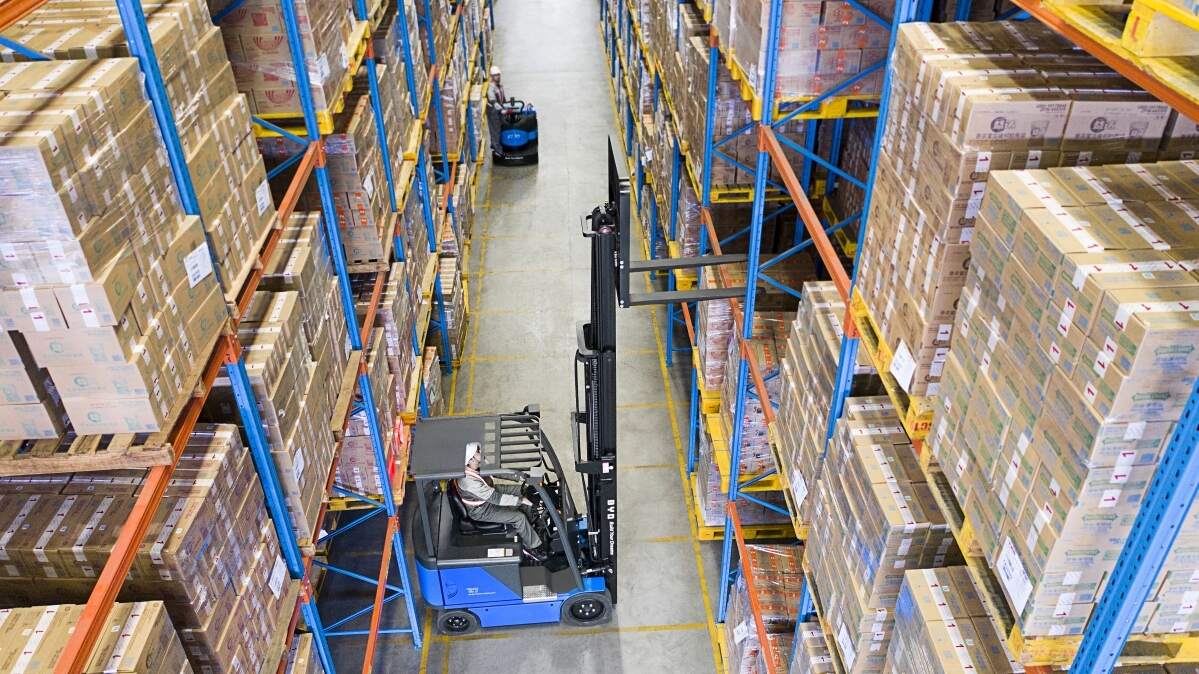
electric forklift batteries are the core power source that determines the operational efficiency and cost-effectiveness of forklifts. For businesses relying on electric forklifts, extending battery lifespan directly translates to reduced operational costs and improved productivity. However, many daily mis-operations unknowingly cut short battery life. As an electric forklift expert, let’s dive into these common mistakes and how to avoid them.
Overcharging the battery is one of the most prevalent mis-operations. Many operators leave batteries connected to chargers long after they reach full capacity. Continuous charging causes excessive gassing, which leads to electrolyte loss and corrosion of internal components. Over time, this weakens the battery’s ability to hold a charge, significantly shortening its lifespan. The correct practice is to disconnect the charger immediately once the battery reaches 100% charge, as indicated by the charger’s built-in indicator.
Another common mistake is recharging the battery before it reaches the recommended discharge level, typically 80% depth of discharge for lead-acid batteries used in electric forklifts. This leads to the “memory effect,” where the battery gradually loses its ability to reach full charge capacity. Operators should monitor the battery’s discharge level using the forklift’s dashboard indicator and only recharge when it hits the appropriate threshold.
Neglecting battery cleaning is a hidden threat to lifespan. Spilled electrolyte, dust, and dirt accumulate on the battery surface, creating conductive paths that cause parasitic discharge. Additionally, corroded terminals can disrupt the electrical connection, leading to inefficient charging and discharging. Regularly clean the battery surface with a neutral solution and ensure terminals are tight and free of corrosion. Avoid using harsh chemicals that can damage the battery casing.
Exposing electric forklift batteries to extreme temperatures accelerates their degradation. High temperatures increase the rate of chemical reactions inside the battery, causing faster electrolyte evaporation and internal component wear. Low temperatures, on the other hand, reduce the battery’s charge-holding capacity and make it harder to start the forklift. Whenever possible, store and operate forklifts in environments with a temperature range of 5°C to 30°C. If working in cold storage or outdoor high-temperature areas, take extra measures like insulating the battery or adjusting charging cycles.
Frequent fast charging without proper cooling is another harmful practice. Fast charging generates more heat, which can warp internal plates and cause irreversible damage. Operators should use fast charging only when necessary, and ensure the battery has sufficient time to cool down before the next charge. For regular charging, opt for slow, steady charging cycles that are gentler on the battery.
By avoiding these common mis-operations, you can significantly extend the working life of your electric forklift batteries, maximizing your investment. If you’re looking for reliable BYD electric forklifts or professional battery maintenance guidance, contact Sharp Tree New Energy at 17399989919@163.com. Our team of experts is dedicated to helping you optimize your forklift operations and reduce long-term costs.