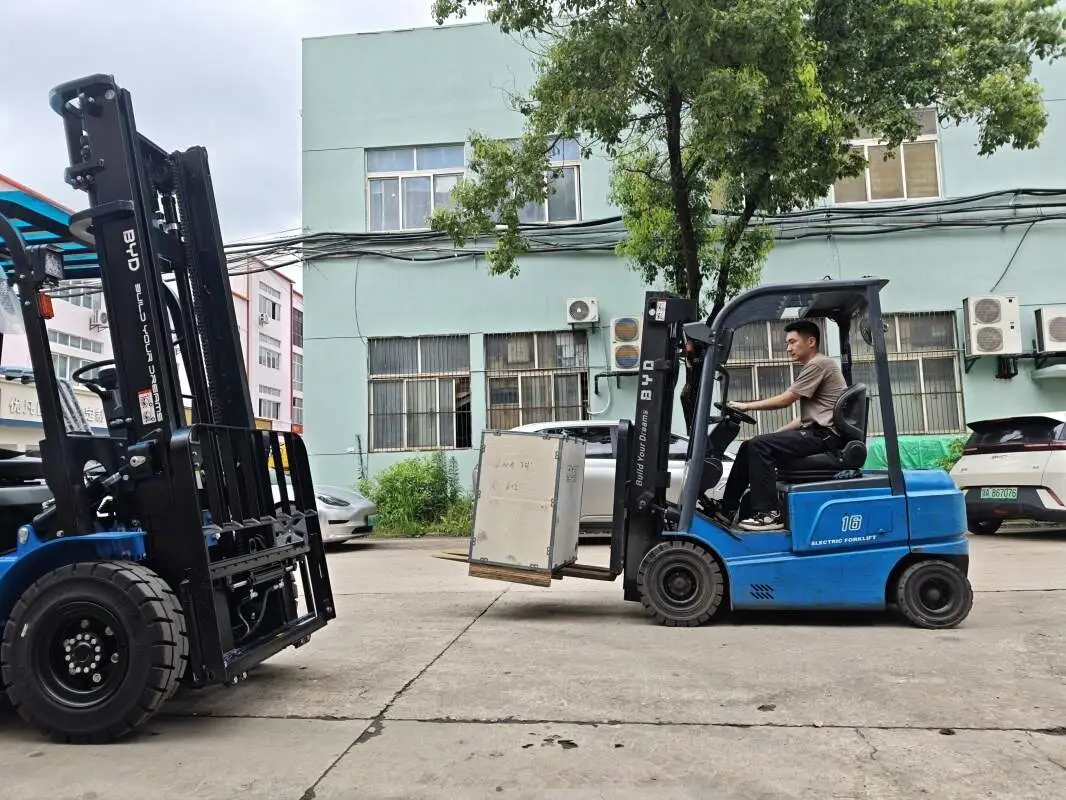
As an electric forklift expert, it’s crucial to recognize that the carriage is one of the most critical components responsible for safe and efficient material handling. Understanding its load-bearing parameters is essential to prevent equipment damage, ensure operator safety, and optimize operational performance.
First and foremost, load capacity stands as the fundamental parameter. This refers to the maximum weight the carriage can safely support under static conditions, specified by the manufacturer. It’s important to note that the carriage’s load capacity may differ from the overall forklift’s load rating, as it focuses specifically on the structural limits of the carriage assembly itself. Exceeding this capacity can lead to structural deformation, premature wear of components like chains and pins, and even catastrophic failure during operation.
Next, the center of gravity (CoG) of the load plays a pivotal role in the carriage’s load-bearing performance. Even if the total weight is within the carriage’s load capacity, a load with an offset CoG—either too far forward, backward, or elevated—can exert uneven stress on the carriage. This not only reduces stability but also increases the risk of tipping or damaging the carriage’s frame. Operators must ensure loads are properly positioned to keep the CoG within the designated safe zone, as outlined in the forklift’s operational manual.
Structural material strength is another key parameter to consider. Carriages are typically constructed from high-strength steel to withstand heavy loads, but over time, factors like frequent heavy lifts, impacts, and corrosion can weaken the material. Regular inspections for signs of wear, cracks, or bending are necessary to identify potential issues before they escalate. Maintaining the carriage’s structural integrity ensures it can consistently meet its load-bearing specifications throughout its service life.
Dynamic load factors also demand attention. Unlike static loads, dynamic loads occur when the forklift is in motion—such as lifting a load, accelerating, decelerating, or turning. These dynamic forces can significantly increase the stress on the carriage, sometimes exceeding the static load capacity. Operators should adopt smooth, controlled movements to minimize these dynamic stresses, reducing the risk of structural damage and enhancing overall safety.
Understanding these load-bearing parameters is not just about compliance; it’s about maximizing the lifespan of your electric forklift and protecting your workforce. If you’re seeking reliable electric forklifts with robust carriage systems, Jianshu New Energy specializes in BYD electric forklifts. Our team of experts can provide detailed guidance on load-bearing parameters and help you select the right equipment for your material handling needs. For further inquiries, feel free to contact us at 17399989919@163.com.