

2026-07-24

Common Mistakes in Electric Forklift Battery Maintenance

electric forklift batteries are the backbone of efficient material handling operations, powering daily tasks and keeping workflows running smoothly. However, even minor oversights in maintenance can lead to shortened battery life, reduced performance, and unexpected downtime. Understanding the most common mistakes in electric forklift battery maintenance is key to maximizing battery longevity and optimizing operational efficiency.

One of the most prevalent mistakes is improper charging practices. Many operators either undercharge or overcharge batteries, both of which cause significant damage. Undercharging leaves the battery with insufficient power for full shifts and accelerates sulfation, a process where lead sulfate crystals build up on the battery plates, reducing its ability to hold a charge. Overcharging, on the other hand, generates excess heat and can boil off electrolyte, leading to plate corrosion and premature battery failure. To avoid this, follow the manufacturer’s recommended charging cycle—typically allowing the battery to charge fully before use, and avoiding frequent "top-ups" that disrupt the charging process. Use only compatible chargers designed for your battery type, and ensure charging areas are well-ventilated to dissipate heat.

Neglecting regular battery cleaning is another critical error. Dust, dirt, and spilled electrolyte can accumulate on the battery surface and terminals over time, creating electrical resistance that hinders power flow. This resistance not only reduces the battery’s output but also increases the risk of short circuits. Operators often overlook cleaning until visible corrosion appears, by which time some damage may already be done. A simple, consistent cleaning routine can prevent this: use a mild, non-corrosive cleaner and a soft brush to wipe down the battery case and terminals, then rinse with clean water and dry thoroughly. Applying a thin layer of protective grease to terminals after cleaning can also help prevent future corrosion.

Ignoring electrolyte level checks is a mistake that can lead to irreversible battery damage. Electrolyte, a mixture of water and sulfuric acid, is essential for the battery’s chemical reactions that generate power. When electrolyte levels drop below the recommended level, the battery plates are exposed to air, causing them to oxidize and lose their ability to produce electricity. Adding too much electrolyte is equally problematic, as excess fluid can spill during charging, leading to corrosion and safety hazards. To maintain proper levels, check the electrolyte monthly (or more frequently in high-use environments) and only add distilled water to bring it up to the marker line. Never add tap water, which contains minerals that can contaminate the battery, and avoid adding electrolyte unless specifically advised by a professional.

Poor storage practices also take a toll on electric forklift batteries. Storing a battery in a discharged state for extended periods causes sulfation, which permanently reduces its capacity. Additionally, storing batteries in extreme temperatures—either too hot or too cold—can accelerate aging. High temperatures speed up chemical reactions and evaporate electrolyte, while cold temperatures reduce the battery’s ability to deliver power. When storing a battery for more than a week, charge it to around 80% of its capacity first. Store it in a cool, dry, well-ventilated area, away from direct sunlight and heat sources. Check the battery’s charge level every four to six weeks and top it up if necessary to prevent discharge.

Overlooking temperature impacts during daily use is another common mistake. Operating electric forklifts in extreme heat or cold can strain the battery and reduce its performance. In hot environments, the battery generates more heat during charging and use, increasing the risk of overcharging and electrolyte loss. In cold conditions, the battery’s internal resistance increases, meaning it delivers less power and requires longer charging times. To mitigate these effects, ensure charging areas are temperature-controlled when possible. In hot weather, allow the battery to cool down before charging, and avoid leaving it in direct sunlight for extended periods. In cold weather, keep the battery in a heated area when not in use to maintain optimal performance.

By avoiding these common maintenance mistakes, you can significantly extend the life of your electric forklift batteries, reduce operational costs associated with replacements, and ensure your forklifts remain reliable when you need them most. Consistent, proactive maintenance is an investment that pays off in smoother operations and longer-lasting equipment.
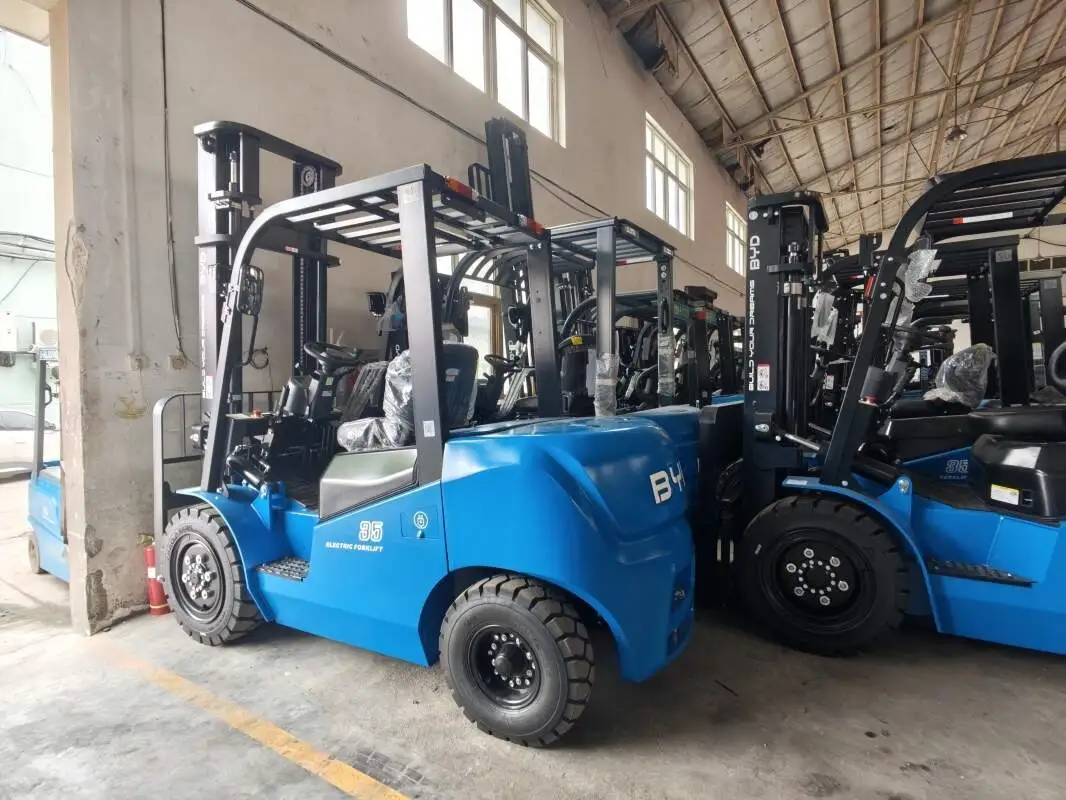


Common Mistakes in Electric Forklift Battery Maintenance(Image1)


Telephone

WeChat

Whatsapp

E-mail address

We use cookie to improve your online experience. By continuing to browse this website, you agree to our use of cookie.

Cookies

Please read our Terms and Conditions and this Privacy & Cookie Policy before accessing or using our Services. If you cannot agree with this Policy or the Terms and Conditions, please do not access or use our Services.
If you are located within the European Economic Area (EEA), the United Kingdom or Switzerland (collectively “European Countries”), all processing of your personal data shall be governed by the General Data Protection Regulation (GDPR). If you are located in a jurisdiction outside European Countries, by using our Services, you accept the Terms and Conditions and accept our privacy practices described in this Policy.
As a resident of European Countries, you hold full statutory rights under GDPR: the right to access, rectify and erase your personal data, the right to data portability, the right to object to marketing tracking, the right to withdraw cookie consent at any time, and the right to lodge a complaint with your local data protection authority (DPA).
Your personal data collected via this website will be transferred and stored in China. We execute Standard Contractual Clauses (SCCs) approved by the European Commission to guarantee adequate data protection for European users regarding cross-border personal data transfer.
We may modify this Policy at any time. Minor adjustments will be updated with a new effective date displayed at the top of this document. If we make material changes to how we collect, use or disclose your Personal Information that limit your rights under GDPR, we will provide you with advance notice and obtain your separate explicit consent before implementing such revisions. Updated policy terms will not be retroactively applied to Personal Information collected prior to notification without your written approval.
In addition, we may provide you with real-time pop-up disclosures or supplementary information about the Personal Information handling practices of specific modules of our Services. Such notices shall supplement this Policy and offer you extra choices about how we process your Personal Information.

Cookies & Related Tracking Technologies

Cookies are small text files stored on your device when you access most websites on the internet or open certain marketing emails. For the purpose of this Policy, the term “Cookie” covers all equivalent tracking technologies with identical functions, including HTML tags, tracking pixels, web beacons, local storage and session storage.
Cookies enable our website to recognize your device and record your browsing history when you revisit our site. Typical data collected via Cookies includes your browser type, referral website address, IP address and clickstream behavior (pages viewed, links clicked).
We only automatically load Strictly Necessary Cookies upon your first site visit. All non-necessary Cookies (Functional, Performance, Targeting Cookies) will NOT be activated unless you submit your explicit, affirmative consent via our website cookie banner. You can adjust, restrict or fully withdraw your cookie preferences at any time via the fixed "Cookie Settings" button placed in our website footer, with immediate effect.
We deploy Cookies to simplify website navigation, deliver personalized user experience, supply matched industrial logistics equipment information, analyze website operation data, and deliver targeted BYD electric forklift advertisements across third-party platforms via our authorized marketing partners.
We classify Cookies into four standard categories as required by European ePrivacy regulations:
●  Strictly Necessary Cookies
●  Performance Cookies
●  Functional Cookies
●  Targeting Cookies

Detailed Introduction of Each Cookie Category

Strictly Necessary Cookies

These cookies are indispensable for basic website operation and cannot be fully disabled within our site system. They are only set in response to your voluntary service requests, such as saving your cookie privacy preferences, logging into accounts or filling in inquiry forms. You can configure your browser to block or alert you about these cookies, but core functions of the website will fail to work normally after blocking. These cookies only store temporary session data and do not record any personally identifiable information.

Functional Cookies

These cookies support enhanced personalized website functions, such as remembering your language preference, saved product browsing records and quote information. They may be set by us or trusted third-party service providers embedded on our pages. If you decline these cookies, partial or all personalized service modules cannot operate properly. Functional cookies will be automatically cleared after a maximum storage period of 12 months.

Performance Cookies

We use performance cookies (mainly from Google Analytics) to count visitor volumes and traffic sources, measure and optimize our website operating performance. These cookies help us identify the most and least popular product pages and track visitors’ browsing paths on our site. All data collected by performance cookies is fully aggregated and anonymized without linking to your individual identity, and tracking data will be retained for up to 26 months. If you reject these cookies, we cannot track website operation data or continuously upgrade our service experience for global warehouse and manufacturing clients.

Targeting Cookies

These third-party cookies are deployed through our website by our official advertising partners (Google Ads). The partners may use such cookies to build anonymized interest profiles based on your forklift browsing behavior and push relevant electric forklift promotional adverts on other websites. They do not directly store your personal identifiable information, but rely on unique identifiers of your browser and network device. Targeting cookies are stored for a maximum of 12 months. If you do not allow these cookies, you will only receive generic, non-industry targeted online advertisements. We will never share your complete browsing records with unrelated third parties for irrelevant commercial marketing.

How To Turn Off & Manage Cookies

  1. Adjust consent on our official website: Click the permanent "Cookie Settings" button in the website footer to check, modify or completely withdraw your consent for non-necessary cookies at any time.

  2. Browser privacy control: You can restrict, block or delete all Cookies permanently through your web browser’s privacy settings. Please note that clearing all existing Cookies will reset all your saved preferences on our website.

Restricting or blocking non-necessary Cookies will not stop you from browsing our forklift product catalog, but personalized content and targeted industrial equipment ads will be disabled. If you block Strictly Necessary Cookies, core website functions including inquiry form submission and privacy preference saving will be unavailable.

Cookies within Mobile Applications

We only adopt Strictly Necessary Cookies on our mobile applications. These Cookies are critical to guarantee basic operation of our apps; blocking or deleting them may make you unable to use core app functions. No personal identifiable information will be stored via mobile app Cookies, and app Cookie data will never be shared with other third-party applications installed on your mobile device.

Contact Information

If you have any questions, requests or concerns regarding any clauses in this Privacy & Cookie Policy or the processing of your personal data, please contact our dedicated data handler by email: 17399989919@163.com. You can also reach our professional customer service team via the online contact form available on our official website.