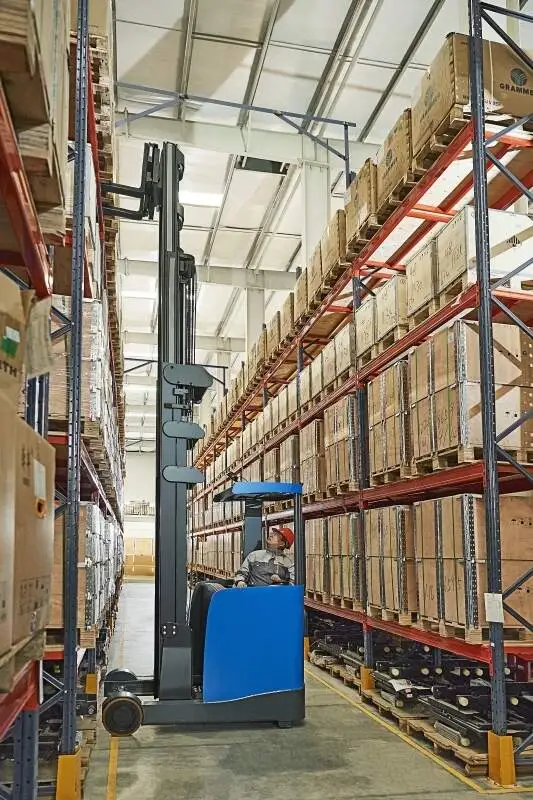
forklift safety accessories are a critical investment for any workplace that uses material handling equipment, as they help prevent accidents, protect workers, and ensure compliance with safety regulations. However, balancing the need for high-quality safety gear with budget constraints can be a challenge. Below are practical, actionable tips to control your budget while still prioritizing safety when purchasing forklift safety accessories.
Prioritize Essential Accessories First
Not all forklift safety accessories are created equal, so start by distinguishing between essential and non-essential items. Essential accessories include seat belts, overhead guard extensions, rearview mirrors, audible warning alarms, and load backrests—these directly impact operator and workplace safety and are often required by regulatory bodies. Non-essential items, such as custom seat covers or decorative decals, can be deferred until your budget allows. By focusing on essentials first, you allocate your funds to the most critical areas without overspending on items that don’t enhance safety.
Conduct Thorough Market Research
Take the time to research multiple suppliers and compare prices for the same or similar safety accessories. Don’t settle for the first quote you receive; look for suppliers that offer transparent pricing, volume discounts, or bundle deals for purchasing multiple essential items. Additionally, check customer reviews and testimonials to ensure that the supplier provides reliable, durable products that meet safety standards. Remember, the lowest price isn’t always the best value—consider factors like warranty coverage, delivery times, and after-sales support when evaluating costs.
Calculate Long-Term Cost Savings
When evaluating accessory costs, look beyond the initial purchase price and consider the long-term value. For example, a slightly more expensive seat belt made from durable, high-quality materials may last longer and require fewer replacements than a cheaper alternative. Calculating the total cost of ownership (including maintenance, replacement, and downtime costs) can help you make a more cost-effective decision. Investing in durable accessories upfront can reduce recurring expenses over time, saving you money in the long run.
Explore Refurbished or Certified Pre-Owned Options
For certain safety accessories, certified refurbished or pre-owned options can be a budget-friendly alternative to new products. Look for suppliers that offer refurbished items that have been inspected, tested, and certified to meet safety standards. These accessories often come with a warranty, providing peace of mind without the high cost of new equipment. However, always ensure that refurbished accessories comply with local safety regulations and are in good working condition before purchasing.
Plan for Regular Maintenance and Preventive Replacements
Proactive maintenance can help extend the lifespan of your forklift safety accessories, reducing the need for costly emergency replacements. Include a line item in your budget for regular inspections and minor repairs, such as replacing worn seat belt buckles or cleaning rearview mirrors. By addressing small issues early, you can avoid more expensive repairs or replacements down the line. Additionally, create a schedule for replacing accessories before they fail, based on manufacturer recommendations, to prevent unexpected expenses.
Controlling your budget when purchasing forklift safety accessories doesn’t mean compromising on safety. By prioritizing essential items, conducting thorough research, considering long-term costs, exploring affordable alternatives, and planning for preventive maintenance, you can make smart, cost-effective decisions that protect your workers and your bottom line.