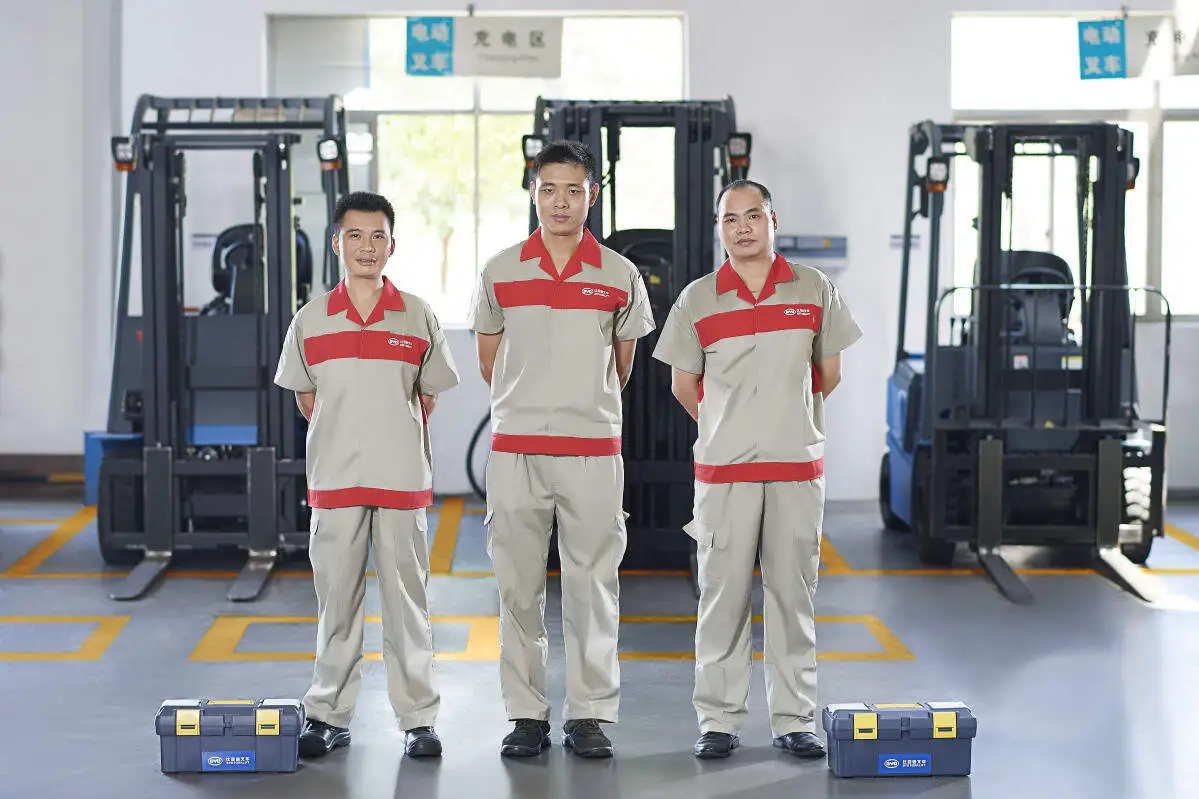
forklift tractor attachments play a crucial role in enhancing the versatility and efficiency of material handling operations. However, improper use of these attachments can lead to serious safety hazards, including equipment damage, workplace injuries, and even fatalities. Adhering to strict safety operating specifications is essential to mitigate these risks and ensure a secure working environment.
Before operating any forklift tractor attachment, operators must conduct a comprehensive pre-operation inspection. Start by verifying the attachment’s physical condition: check for cracks, bent components, or excessive wear on parts like forks, clamps, or lifting arms. Inspect hydraulic hoses and connections for leaks, as hydraulic system failures can cause sudden loss of control. Ensure that all locking mechanisms are properly engaged to prevent the attachment from detaching during operation. Additionally, confirm that the forklift’s load capacity matches the attachment’s requirements, as overloading can compromise stability and lead to tipping accidents. Operators should also review the attachment’s operating manual to refresh their knowledge of specific controls and safety features.
During operation, operators must maintain constant vigilance and follow established guidelines. Always operate the forklift at a safe speed, especially when carrying loads with attachments, as increased weight can affect maneuverability. Keep a safe distance from obstacles, pedestrians, and other equipment to avoid collisions. When lifting or lowering loads, ensure that the attachment is positioned correctly to distribute weight evenly. Avoid sudden movements such as sharp turns or rapid acceleration/deceleration, which can cause the load to shift or the forklift to tip. For attachments like clamps or rotators, use smooth, controlled motions to handle materials without damaging them or causing instability. Operators should never leave the forklift unattended while the attachment is holding a load, as unexpected movements could lead to accidents.
After completing tasks, proper post-operation procedures are vital to maintain the attachment’s longevity and safety. Lower the attachment to the ground and engage all parking brakes before exiting the forklift. Clean the attachment to remove any debris, dirt, or material residues that could interfere with future operations. Inspect the attachment again for any signs of damage that may have occurred during use, and report any issues to maintenance personnel promptly. Store the attachment in a designated, secure area where it is protected from harsh weather conditions and unauthorized use. Ensure that all controls are returned to their neutral positions to prevent accidental activation when the forklift is next started.
Regular maintenance is key to ensuring the safe and reliable performance of forklift tractor attachments. Establish a scheduled maintenance plan based on the attachment’s usage frequency and manufacturer recommendations. This plan should include routine checks of hydraulic systems, lubrication of moving parts, and replacement of worn components such as seals or bearings. Trained maintenance personnel should conduct thorough inspections at specified intervals to identify potential issues before they escalate into safety hazards. Operators should also be encouraged to report any unusual noises, vibrations, or performance issues immediately, as these could indicate underlying problems that require attention.
By following these safety operating specifications, operators can significantly reduce the risk of accidents and ensure that forklift tractor attachments are used in a safe and efficient manner. Proper training, regular inspections, and adherence to guidelines are essential components of a comprehensive material handling safety program, protecting both workers and equipment in the workplace.