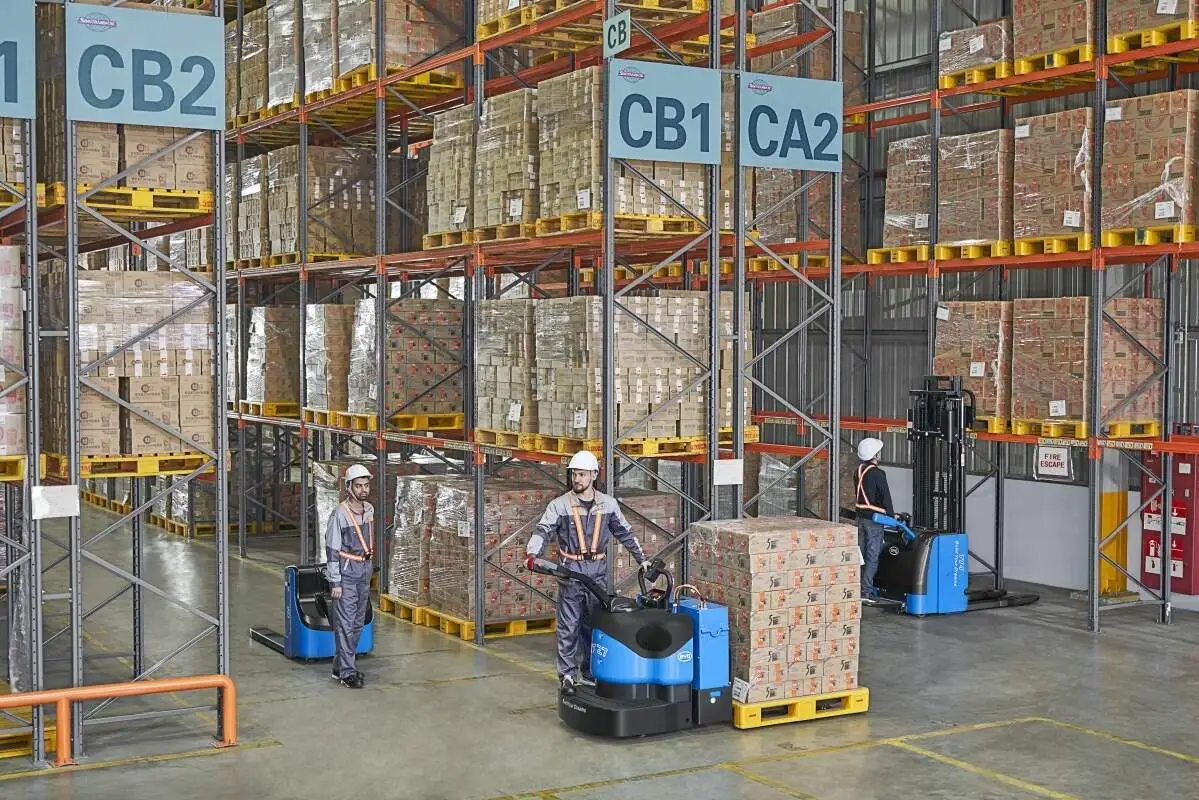
electric forklifts have become essential workhorses in warehouses, distribution centers, and manufacturing facilities, thanks to their efficiency and eco-friendliness. However, even with widespread use, many operators and managers hold misconceptions about the service cycles of their key components—misconceptions that can lead to premature wear, unexpected breakdowns, and increased long-term costs.
One of the most prevalent misunderstandings is that all electric forklift components follow the same service cycle. In reality, different parts have unique maintenance needs. For example, lead-acid battery packs typically require regular fluid level checks and terminal cleaning every 1-3 months, depending on usage, while hydraulic filters may need replacement every 6-12 months. Brake systems, exposed to constant friction, demand more frequent inspections, often every 3 months under heavy use, whereas tire tread checks can be done during routine monthly walkarounds. Treating all components the same can either over-maintain some parts unnecessarily or neglect others until they fail.
Another common myth is that a one-size-fits-all service schedule works for every operating environment. Forklifts used in dusty outdoor yards or facilities with heavy debris need more frequent filter changes and component cleanings than those operating in clean, climate-controlled warehouses. Similarly, forklifts handling maximum loads daily will experience faster wear on transmission parts and suspension components compared to those used for light-duty tasks. Failing to adjust service cycles based on operating conditions can accelerate component degradation and reduce the forklift's overall reliability.
Many also incorrectly assume that service cycles should be based solely on time, not usage intensity. A forklift that runs 8 hours a day, 6 days a week will accumulate wear much faster than one used only a few hours weekly. Instead of adhering strictly to a monthly or quarterly schedule without considering usage hours, operators should track both time and operational metrics like load cycles and distance traveled. This combined approach ensures components are serviced when they actually need it, not just when a calendar date arrives.
Finally, some overlook the importance of servicing minor components, believing only major parts like batteries and motors need attention. Small parts such as hydraulic hose fittings, sensor calibrations, and seat belt mechanisms play critical roles in safety and performance. Neglecting these can lead to small issues escalating into major failures—for instance, a loose hydraulic fitting might start with a slow leak but eventually cause complete hydraulic system failure if left unaddressed.
Understanding these common misunderstandings is the first step to optimizing your electric forklift's maintenance routine. By tailoring service cycles to individual components, operating conditions, and usage intensity, you can extend your forklift's lifespan, reduce downtime, and lower maintenance costs. If you need guidance on creating a customized service plan for your electric forklifts, reach out to Jianshu New Energy, a specialist in BYD electric forklifts. You can contact us at 17399989919@163.com for professional advice tailored to your specific needs.