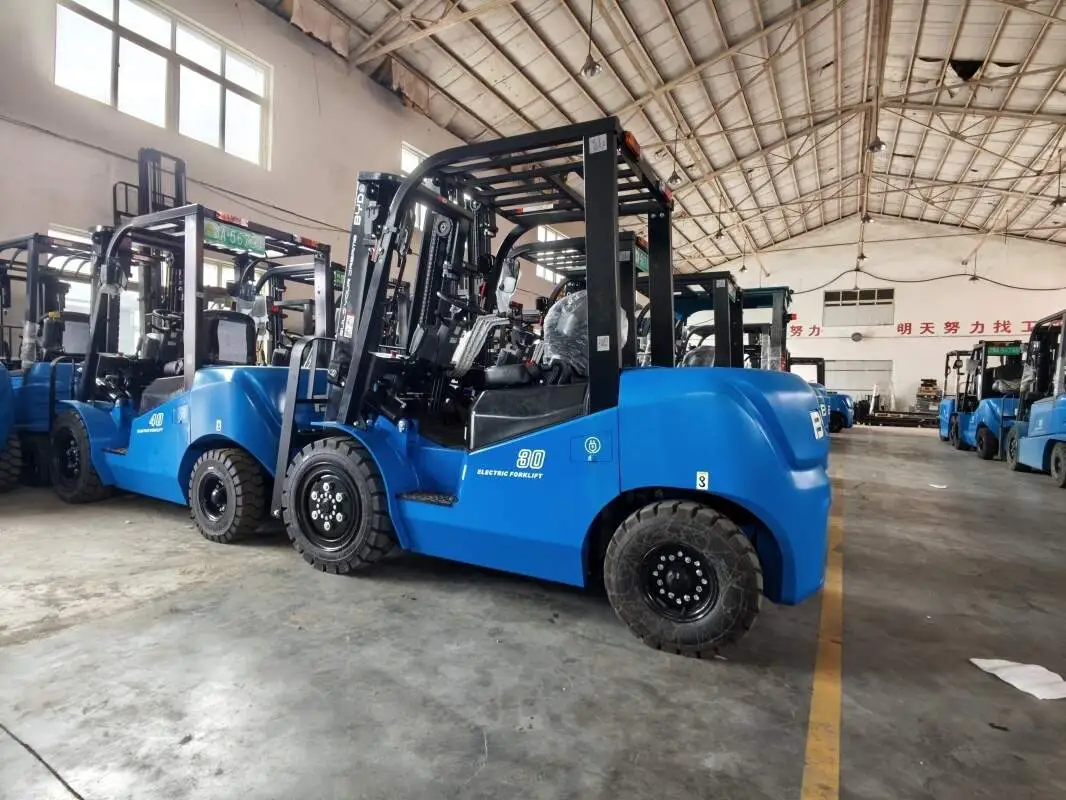
When operating an electric forklift, choosing the right fork thickness is a critical decision that directly influences operational safety, load stability, and long-term equipment durability. Overlooking this key detail can lead to structural fork damage, material handling accidents, or reduced efficiency in daily operations, which is why taking a strategic approach to this selection is essential. Jianshu New Energy, a specialist in electric forklifts, has developed this comprehensive guide to help you make an informed choice tailored to your specific application needs.
First, start by assessing your electric forklift’s load capacity requirements. Fork thickness must align with the maximum rated load of your forklift to ensure structural integrity under pressure. For light-duty applications involving small, low-weight loads, a thinner fork may suffice, as it reduces overall forklift weight and enhances maneuverability in tight spaces. However, for heavy-duty operations that involve lifting and transporting heavy pallets, machinery components, or dense materials, a thicker fork is necessary to prevent bending, warping, or failure under load. It is important to avoid overloading forks beyond their designed thickness capacity, as this can compromise both the equipment and the safety of personnel.
Next, consider your operating environment and conditions. Forklifts used in indoor warehouses with smooth, level floors and minimal impact may not require the thickest forks, as wear and tear are relatively low. In contrast, electric forklifts operating outdoors on uneven terrain, construction sites, or in applications involving frequent heavy impacts during loading and unloading will benefit from thicker, more robust forks that can withstand increased stress and abrasion. Additionally, if your operations involve frequent lifting to high heights, thicker forks provide greater stability, reducing the risk of load shifting or tipping.
Another key factor is the type of materials you handle regularly. For fragile or delicate items, a fork with appropriate thickness ensures stable support, minimizing the risk of damage caused by fork flex or movement. When handling heavy, irregularly shaped loads, thicker forks distribute weight more evenly, enhancing load control. Even for standard pallet handling, matching fork thickness to the pallet’s design and load weight can extend both fork and pallet lifespan, reducing replacement costs over time.
Finally, evaluate long-term maintenance and cost considerations. While thicker forks may have a higher initial purchase cost, they often require less frequent replacement due to their increased durability, resulting in lower long-term maintenance expenses. Regular inspections of fork thickness and wear are also crucial; even the thickest forks will degrade over time, so monitoring for signs of bending, cracking, or excessive wear helps prevent unexpected failures.
By considering these factors—load capacity, operating conditions, material types, and long-term costs—you can select the optimal fork thickness for your electric forklift. For personalized guidance or further assistance in configuring your electric forklift for peak performance, contact Jianshu New Energy via email at 17399989919@163.com. Our team of experts is ready to support your material handling operations with tailored solutions.