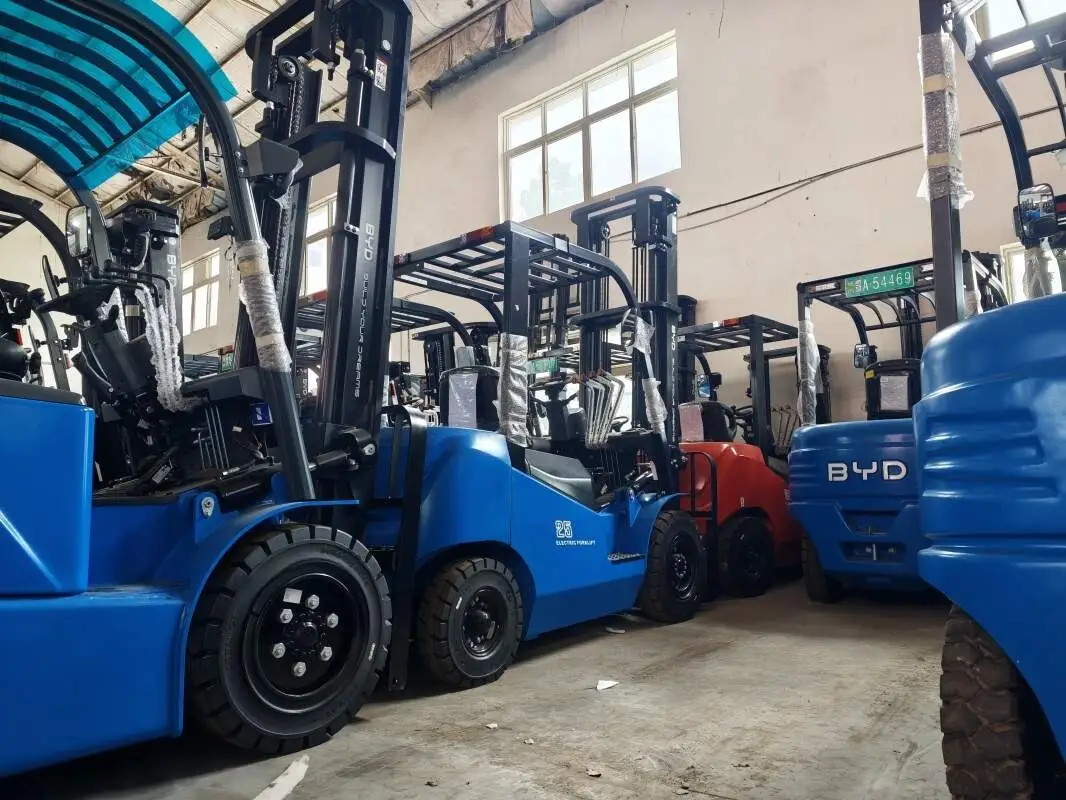
electric forklifts are essential tools for streamlining material handling in warehouses, distribution centers, and industrial facilities. While they offer efficiency and eco-friendliness, improper operation can lead to safety hazards, equipment damage, and increased operational costs. Understanding and avoiding common operational errors is key to maximizing their value and ensuring a secure work environment.
1. Neglecting Pre-Operation Inspections
One of the most frequent and risky errors is skipping pre-operation inspections. Before starting any shift, operators must check critical components like brake systems, steering functions, battery charge levels, and tire condition. Overlooking these checks can lead to unexpected breakdowns mid-task—for example, faulty brakes may fail to stop the forklift when navigating narrow aisles, causing collisions with racks or personnel. Even minor issues, such as low tire pressure, can affect stability, increasing the risk of tip-overs during load handling. Making pre-operation inspections a non-negotiable daily routine helps catch problems early and prevents avoidable incidents.
2. Improper Load Handling
Incorrect load handling is another common error that poses significant safety risks. This includes carrying loads that exceed the forklift’s rated capacity, failing to center loads on the forks, or using damaged lifting attachments. Overloading strains the forklift’s structure and impairs its balance, making tip-overs more likely. Similarly, unbalanced loads can shift during movement, causing the forklift to tilt even at slow speeds. Operators should always verify load weights, ensure forks are positioned correctly under the load, and secure loose items with straps or wraps. Taking these steps reduces the risk of load drops and equipment damage while maintaining stable operation.
3. Inadequate Battery Maintenance
Electric forklifts rely on batteries for power, and poor maintenance practices can shorten battery life and create safety hazards. Common mistakes include overcharging batteries, using incorrect charging equipment, or ignoring electrolyte levels (for lead-acid batteries). Overcharging can cause overheating, leading to battery leaks or even fires. Operating a forklift with a low battery can strain the motor and reduce performance, increasing the chance of unexpected shutdowns during critical tasks. Operators should follow manufacturer guidelines for charging cycles, keep battery terminals clean, and store batteries in well-ventilated areas to prevent buildup of flammable gases.
4. Disregarding Operational Environment
Failing to adapt to the operational environment is a often-overlooked error. Electric forklifts perform differently in various settings—for example, wet or slippery floors reduce traction, increasing the risk of skidding. Operators may also ignore overhead obstacles like pipes or lighting fixtures, leading to collisions that damage both the forklift and facility infrastructure. In narrow spaces, speeding or making sharp turns can result in scraped walls or blocked aisles. Before operating, operators should assess the environment, adjust speed accordingly, and stay alert to changes like spillages or pedestrian traffic.
5. Unsafe Speed Control
Operating electric forklifts at excessive speeds is a major safety violation. While these machines can move quickly, speeding reduces reaction time, making it harder to avoid obstacles or stop suddenly. In areas with high pedestrian traffic, fast-moving forklifts pose a serious risk to workers. Even in empty aisles, sudden stops at high speeds can cause loads to shift or the forklift to tip. Operators should adhere to posted speed limits, slow down in crowded or narrow areas, and maintain a safe distance from other equipment and personnel.
By avoiding these common operational errors, businesses can enhance workplace safety, reduce equipment downtime, and extend the lifespan of their electric forklifts. Regular training for operators, clear safety protocols, and consistent equipment maintenance are key to fostering a culture of responsible forklift operation.