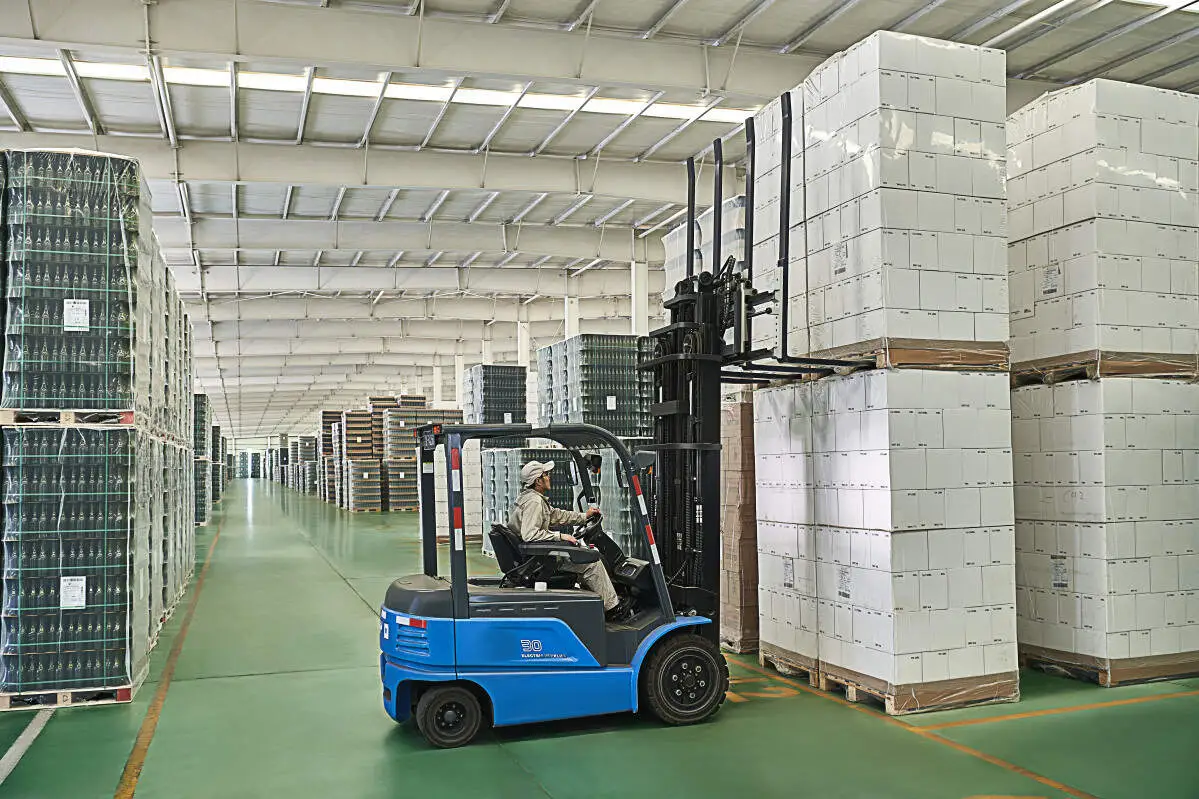
In warehouses, distribution centers, and manufacturing facilities, manual handling tasks often account for a significant portion of labor costs. From lifting and stacking boxes to adjusting pallets, these repetitive tasks not only slow down operations but also increase the risk of worker fatigue and injury, leading to higher turnover and unexpected expenses. Fortunately, integrating the right forklift accessories can address these challenges directly, reducing reliance on manual labor and driving down associated costs over time.
One of the most impactful accessories is fork extensions. Designed to extend the length of standard forklift forks, these attachments allow operators to handle larger or multiple pallets in a single trip. Instead of requiring workers to manually split loads into smaller batches for transport, forklifts with extensions can move more goods at once, cutting down the number of trips needed. This reduces the time workers spend on loading and unloading tasks, as well as the need for additional labor to assist with manual load adjustment. Over a month, even a small reduction in daily trips can translate to significant labor cost savings, as fewer hours are spent on repetitive, low-value manual work.
Side shifters are another essential accessory that lowers manual handling costs. These attachments enable operators to adjust the position of the forks horizontally without repositioning the entire forklift. In busy warehouse environments, aligning forks with pallets perfectly often requires workers to manually push or pull loads into place, a task that takes time and physical effort. With side shifters, operators can make precise adjustments from the forklift’s cabin, eliminating the need for manual alignment. This not only speeds up material handling operations but also reduces the risk of strain injuries caused by pushing heavy loads. By streamlining the pallet handling process, side shifters help workers complete tasks faster, allowing businesses to allocate labor resources to more high-value activities.
For businesses handling non-standard loads such as large boxes, barrels, or irregularly shaped items, clamps are invaluable. Instead of relying on workers to manually secure loads with straps or shrink wrap before transport, clamps can grip and hold items securely without additional manual intervention. This eliminates the time spent on manual load preparation and reduces the risk of loads shifting during transport, which would require workers to stop and reposition items manually. Additionally, clamps reduce the need for workers to lift or maneuver heavy odd-shaped goods, lowering the likelihood of musculoskeletal injuries. By minimizing these manual tasks, clamps cut down on labor hours related to load handling and reduce the indirect costs associated with workplace injuries, such as medical expenses and lost productivity.
Beyond direct labor savings, forklift accessories also help reduce indirect labor costs linked to workplace injuries. Manual handling is a leading cause of back pain, muscle strains, and other work-related injuries, which often result in extended absences and increased workers’ compensation claims. By reducing the need for workers to perform heavy lifting, pushing, or pulling tasks, accessories like clamps and side shifters lower injury risks. This means fewer workers taking sick leave, reduced turnover due to job-related injuries, and lower insurance premiums over time. These indirect savings can add up to a significant portion of overall labor cost reductions, making forklift accessories a cost-effective investment for any business focused on efficient material handling.
In conclusion, forklift accessories play a crucial role in lowering manual handling labor costs by improving operational efficiency, reducing repetitive manual tasks, and minimizing workplace injuries. Whether it’s extending fork lengths to move more goods at once, using side shifters to streamline pallet alignment, or employing clamps to handle non-standard loads safely, these attachments offer tangible benefits that directly impact a business’s bottom line. By investing in the right accessories, businesses can not only cut down on immediate labor expenses but also create a safer, more productive work environment that supports long-term cost savings and operational success.