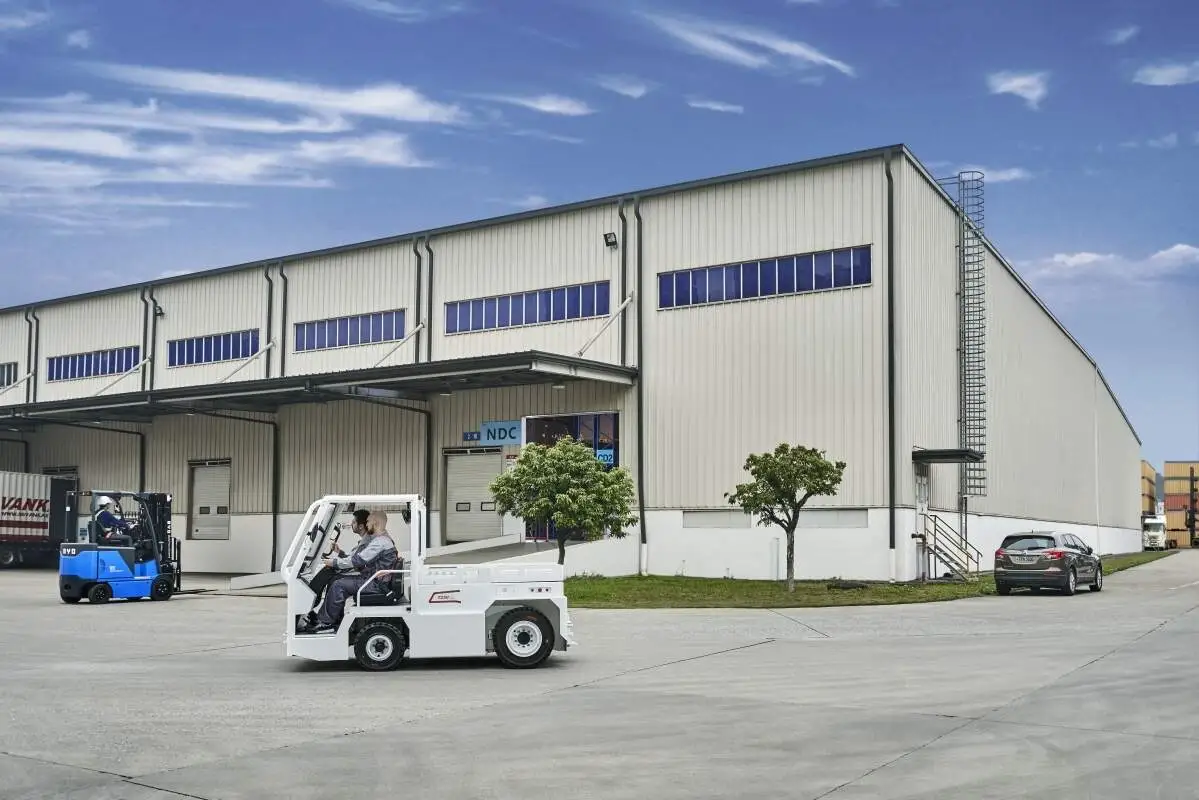
electric forklifts are widely valued in warehouses and logistics operations for their efficiency, low emissions, and quiet operation. However, even the most reliable equipment can suffer premature component aging if operators overlook key operational best practices. Understanding these common mistakes is critical to extending the lifespan of your electric forklift and reducing long-term maintenance costs.
One of the most prevalent errors is overloading the forklift beyond its rated capacity. Every electric forklift is designed to handle a specific weight limit, and exceeding this places excessive stress on critical components. The electric motor has to work harder to move heavier loads, leading to increased heat generation that can degrade internal wiring and insulation over time. Overloading also strains the hydraulic system, causing seals to wear out faster and increasing the risk of leaks. Additionally, the tires and suspension bear more weight than they’re engineered for, resulting in uneven tread wear and potential structural damage to the frame.
Incorrect battery handling is another major contributor to component aging. Electric forklifts rely on rechargeable batteries as their power source, and improper care can significantly shorten their lifespan. Many operators make the mistake of overcharging the battery, which causes electrolyte evaporation and corrosion of battery terminals. On the flip side, allowing the battery to discharge completely before recharging can lead to permanent damage to the battery cells, reducing its overall capacity. Failing to clean battery terminals regularly also creates resistance, which forces the charging system to work harder and can damage other electrical components connected to the battery.
Rough driving habits also accelerate component wear. Sudden acceleration and hard braking put unnecessary strain on the electric motor, transmission, and brake systems. The frequent jolts can loosen bolts and connections, leading to premature failure of parts like the drive axle. Driving at high speeds on uneven or rough surfaces further compounds this issue, as the suspension and wheels absorb repeated impacts that can bend or crack components over time. Even small actions like turning too sharply can stress the steering mechanism, leading to increased wear on steering joints and gears.
Neglecting routine maintenance checks is a mistake that many operations make, but it has long-term consequences. Skipping regular inspections of the hydraulic system, brake pads, and electrical connections can lead to small issues escalating into major problems. For example, low hydraulic fluid levels can cause the hydraulic pump to work harder, leading to overheating and premature failure. Worn brake pads not only reduce stopping power but also put additional stress on the brake rotors, which can warp and need replacement.
Inappropriate storage of electric forklifts can also speed up component aging. Leaving the forklift exposed to extreme temperatures, whether hot or cold, can damage the battery and electrical components. High temperatures cause battery fluid to evaporate faster, while cold temperatures reduce battery capacity and can cause internal components to contract and crack. Storing the forklift in a damp or humid environment increases the risk of rust and corrosion on metal parts, especially the frame and hydraulic lines.
By avoiding these common operational mistakes, you can significantly extend the lifespan of your electric forklift and ensure it operates at peak efficiency for years to come. We are Jianshu New Energy, specializing in BYD electric forklifts. For more professional guidance on electric forklift operation, maintenance, and solutions tailored to your needs, please contact us at 17399989919@163.com.