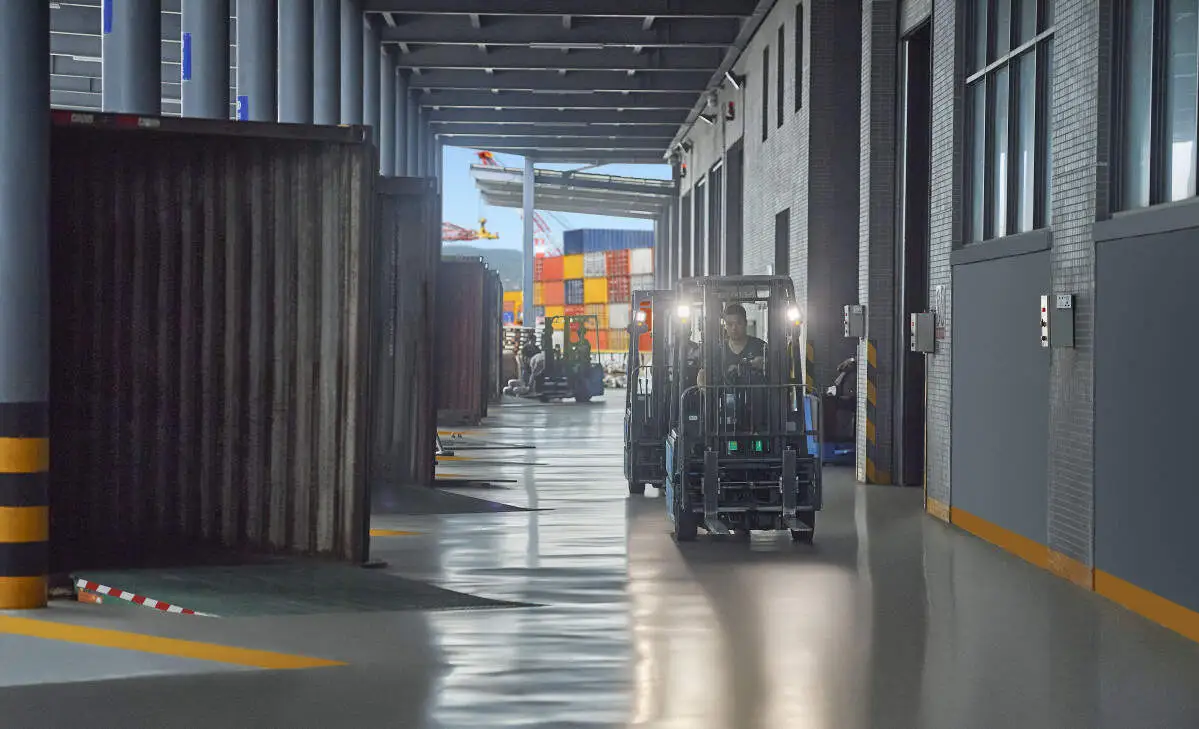
When planning working zones for electric forklifts, assessing floor load capacity is a critical step to ensure operational safety, prevent structural damage, and maintain long-term warehouse efficiency. Overlooking this aspect can lead to costly floor repairs, workplace accidents, and disruptions to daily operations. As a specialist in electric forklifts, we aim to provide a practical, step-by-step guide to help you conduct accurate floor load capacity assessments.
Understanding the Importance of Floor Load Capacity Assessment
Electric forklifts, combined with their payloads, exert significant pressure on warehouse floors. Even minor discrepancies between the floor’s rated capacity and the forklift’s total weight can result in cracks, collapses, or uneven surfaces that pose risks to both equipment and personnel. Proper assessment ensures that working zones are designated in areas that can safely support the forklift’s operations, reducing the likelihood of incidents and extending the lifespan of your warehouse infrastructure.
Key Factors to Consider in Floor Load Capacity Calculation
- Total Weight of the electric forklift: This includes the base weight of the forklift, plus any attachments such as forks or clamps. It’s essential to account for the maximum weight the forklift can carry, as this represents the peak load applied to the floor.
- Floor Material and Construction: Different floor types (concrete, asphalt, epoxy-coated) have varying load-bearing capacities. Concrete floors, for example, are rated based on their thickness, compressive strength, and reinforcement. Older floors may have degraded over time, requiring additional testing to determine their current capacity.
- Distribution of Load: Electric forklifts apply concentrated pressure through their tires. The contact area between the tires and the floor affects how weight is distributed. Narrow tires exert higher pressure per square inch compared to wider ones, so this factor must be included in your assessment.
- Environmental Conditions: Moisture, temperature fluctuations, and chemical exposure can weaken floor materials. Warehouses with frequent spillages or extreme temperature changes should conduct more frequent assessments to monitor floor integrity.
Step-by-Step Guide to Assessing Floor Load Capacity
- Review Building Documentation: Start by checking your warehouse’s original construction plans, which typically include floor load capacity ratings. These documents provide a baseline for your assessment and help identify areas that may require further testing.
- Conduct On-Site Inspections: Walk through the warehouse to look for signs of floor damage, such as cracks, spalling, or unevenness. These issues indicate potential weaknesses that could compromise load-bearing capacity. Use a concrete hardness tester or similar equipment to measure the floor’s compressive strength if needed.
- Calculate Total Applied Load: Add the electric forklift’s base weight to its maximum payload to get the total weight. Then, divide this by the total contact area of the forklift’s tires to determine the pressure exerted on the floor. Compare this pressure to the floor’s rated capacity to ensure it falls within safe limits.
- Designate Safe Working Zones: Based on your assessment, mark areas where the floor can safely support the forklift’s operations. Avoid using zones with damaged floors or capacity below the required threshold.
- Schedule Regular Reassessments: Floor capacity can change over time due to wear and tear, so schedule annual assessments or after major renovations to ensure ongoing safety.
Safety and Operational Tips
Train your forklift operators to recognize signs of floor damage and report them immediately. Avoid exceeding the floor’s rated capacity, even for short periods, as repeated overloading can cause irreversible damage. Consider using floor protection mats in high-traffic areas to reduce wear and tear on the floor surface.
At Jianshu New Energy, we specialize in BYD electric forklifts and are committed to helping our clients create safe and efficient working environments. For more guidance on electric forklift operations or to learn about our product offerings, feel free to contact us at 17399989919@163.com.