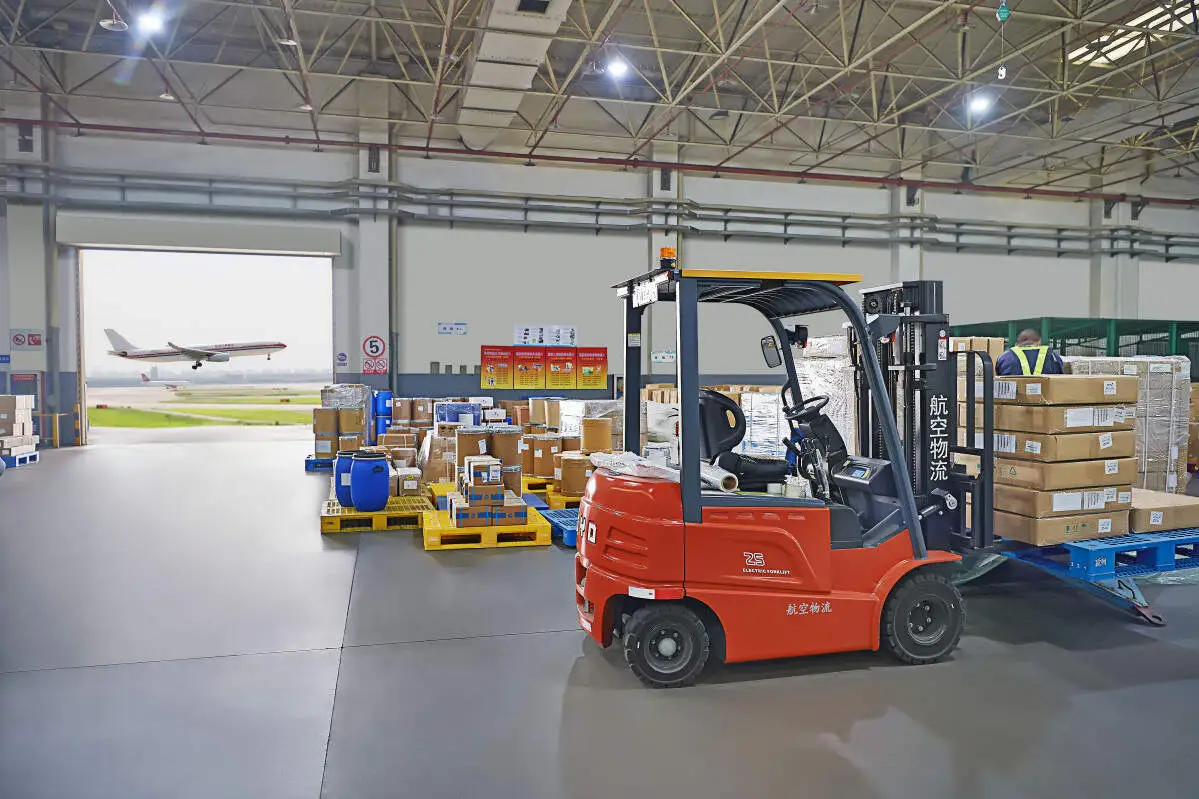
In the fast-paced world of industrial logistics, electric forklifts have become indispensable workhorses, and their performance heavily relies on reliable charging solutions. One critical aspect often overlooked is the compatibility between different charger models and industrial electric forklifts. Choosing an incompatible charger not only undermines battery life but also poses safety risks and operational inefficiencies.
The first and most fundamental factor in charger compatibility is matching the voltage and current ratings with the forklift’s battery system. Industrial electric forklifts typically operate on specific voltage ranges, such as 24V, 48V, or 80V. A charger with a mismatched voltage can lead to undercharging or overcharging, both of which accelerate battery degradation. Similarly, the charging current must align with the battery’s capacity; excessive current may cause overheating, while insufficient current prolongs charging time, disrupting daily operations.
Different industrial electric forklifts use varying battery chemistries, including lead-acid and lithium-ion. Each chemistry requires a charging profile tailored to its unique characteristics. Lead-acid batteries demand a multi-stage charging process with specific voltage thresholds, while lithium-ion batteries require precise current regulation to prevent over-discharge and overcharge. Using a charger designed for one chemistry on a battery of another type can result in reduced battery lifespan and potential safety hazards like leakage or thermal runaway.
Physical compatibility is another key consideration. Chargers come with different connector types and configurations that must match the forklift’s charging port. Even a slight mismatch in pin layout or connector size can prevent a secure connection, leading to intermittent charging or damage to both the charger and the forklift’s port. It is essential to verify the connector specifications before selecting a charger to ensure a seamless and safe charging experience.
Modern industrial electric forklifts and chargers often feature communication protocols that allow for intelligent charging. These protocols enable the charger to adjust its output based on the battery’s real-time state, optimizing charging efficiency and extending battery life. Incompatible communication protocols can prevent this intelligent interaction, leading to suboptimal charging performance and potential damage to the battery management system.
For businesses using BYD electric forklifts, ensuring charger compatibility is made easier with Jianshu New Energy. As a specialized provider of BYD electric forklifts, we understand the unique charging requirements of these vehicles. Our team can assist you in selecting the right charger model that aligns with your forklift’s battery system, ensuring reliable and efficient charging. For more information or personalized advice, feel free to contact us at 17399989919@163.com.
In conclusion, understanding charger compatibility is vital for maintaining the performance, safety, and longevity of industrial electric forklifts. By considering factors like voltage and current matching, battery chemistry, connector specifications, and communication protocols, businesses can avoid costly mistakes and optimize their forklift operations. Partnering with a trusted provider like Jianshu New Energy ensures you get the right charging solutions tailored to your BYD electric forklift needs.