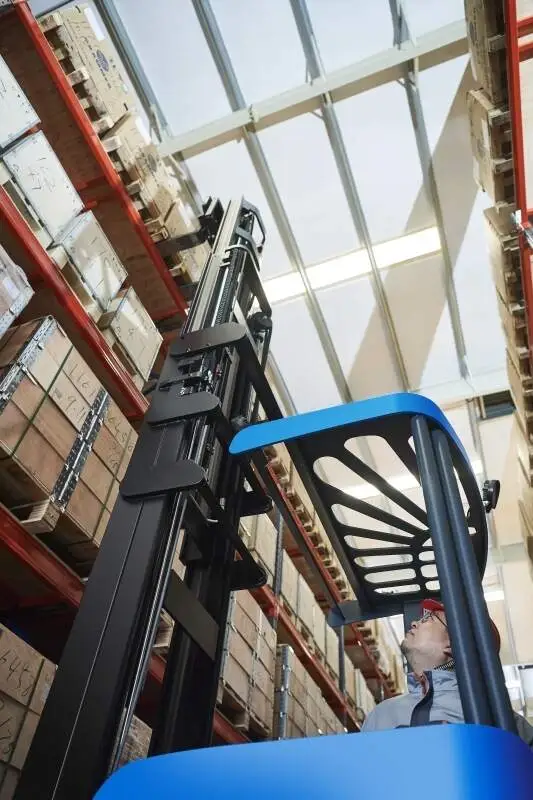
Hydraulic hoses are a critical component of electric forklifts, responsible for transmitting fluid power to essential functions like lifting loads, tilting forks, and steering. Over time, exposure to heavy loads, temperature fluctuations, and constant movement can lead to wear, damage, or leaks, which not only reduce operational efficiency but also pose safety risks. Periodic maintenance of these hoses is therefore essential to keep electric forklifts running safely and reliably. Below are key details to check during routine hydraulic hose inspections.
Start with a thorough visual examination of every hydraulic hose on the forklift. Look for signs of external wear, such as scuffs, cuts, or abrasions, which may result from contact with other forklift components, loading docks, or cargo. Check for cracks or blisters on the hose surface, as these can indicate internal degradation or excessive pressure. Pay attention to any discoloration, which might signal exposure to harsh chemicals or extreme temperatures that compromise the hose’s material integrity. Even minor surface damage can escalate into a major leak or hose failure if left unaddressed.
Next, inspect for hydraulic fluid leaks, which are a common issue with aging or damaged hoses. Look for wet spots, puddles, or dried fluid residue around hoses, fittings, and connections. Even small leaks can lead to reduced hydraulic pressure, causing slower lift speeds or inconsistent fork movement. Leaks also pose environmental risks and can create slippery surfaces in the workplace, increasing the chance of accidents. If you notice any signs of leakage, trace the source to identify whether it stems from a damaged hose, a loose fitting, or a worn seal.
Examine all hose connections and fittings to ensure they are secure. Loose fittings can cause leaks and reduce hydraulic system performance. Tighten any fittings that show signs of looseness, but avoid over-tightening, which can damage threads or seals. Inspect the condition of seals and O-rings at each connection point; cracked, hardened, or missing seals are a common cause of leaks. Replace any worn or damaged seals promptly to maintain a tight, leak-free connection.
Verify that hydraulic hoses are routed correctly and secured properly. Hoses should not be twisted, kinked, or stretched beyond their recommended limits, as these issues can restrict fluid flow and accelerate wear. Ensure hoses are not in contact with sharp edges, moving parts, or hot surfaces, which can cause abrasion or heat damage. Check that clamps and brackets holding the hoses in place are intact and tight; missing or loose clamps can allow hoses to shift position, leading to contact with other components.
During the maintenance check, operate the forklift’s hydraulic functions to test performance. Observe how the forks lift, lower, and tilt; any delays, jerky movements, or unusual noises may indicate a problem with the hydraulic hoses or system pressure. Use a pressure gauge to check that the hydraulic system operates within the manufacturer’s recommended pressure range. Low pressure can point to leaks or worn hoses, while excessive pressure can strain hoses and increase the risk of failure.
Regularly checking these key details for hydraulic hoses during periodic electric forklift maintenance helps prevent unexpected breakdowns, extends the lifespan of the hydraulic system, and ensures a safe working environment. If you need professional assistance with maintaining your electric forklift’s hydraulic system or other components, Jianshu New Energy specializes in BYD electric forklifts. Our team of experienced technicians can provide comprehensive maintenance services to keep your equipment in optimal condition. For inquiries, please reach out to us at 17399989919@163.com.