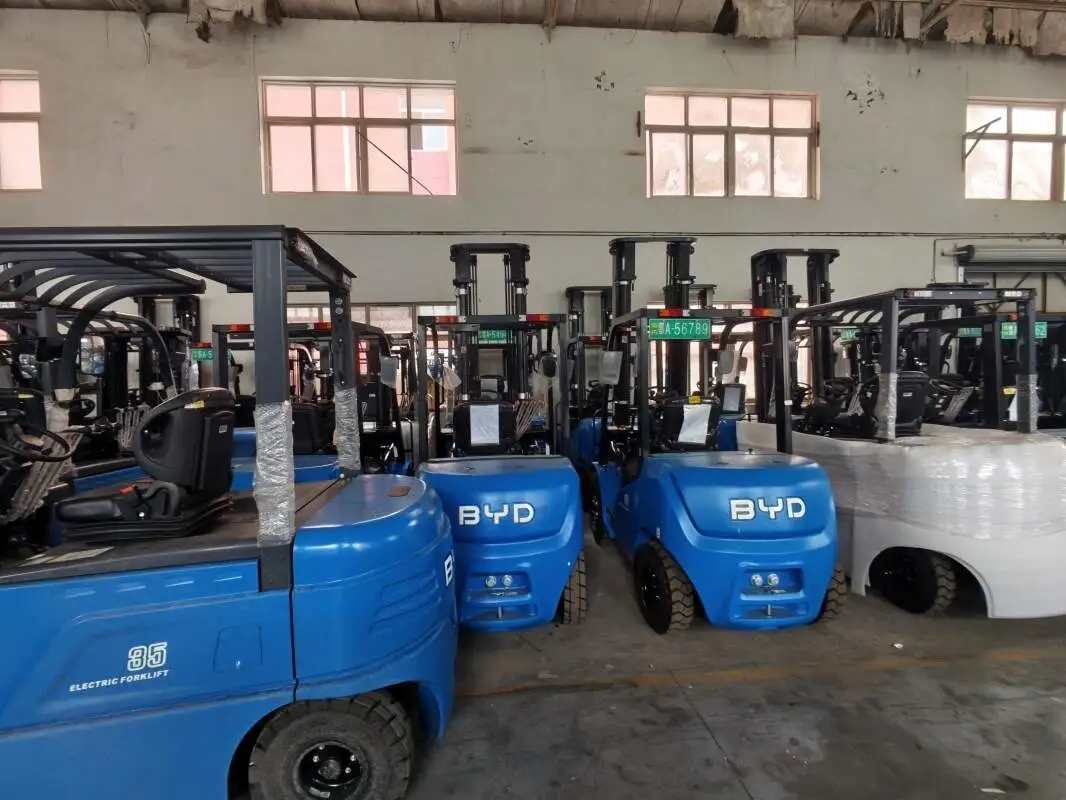
Regular daily maintenance is crucial to keep forklift trucks operating safely, efficiently, and with minimal downtime. Having a ready list of common spare parts ensures that minor issues can be addressed promptly, preventing them from escalating into major breakdowns. Let’s break down the key spare parts that should be part of every forklift’s daily maintenance inventory.
Tire-related components are among the most frequently checked and replaced parts in forklifts. Forklifts operate in various environments, from smooth warehouse floors to rough outdoor surfaces, leading to regular tire wear. Essential spare parts include replacement tires (both solid and pneumatic options, depending on the forklift type), inner tubes for pneumatic tires, and valve stems. Daily inspections should focus on tire pressure, tread wear, and any signs of damage like cracks or punctures. Replacing worn tires promptly helps maintain stability and prevents accidents caused by sudden tire failure.
The braking system is a critical safety component, and its spare parts are non-negotiable for daily maintenance. Key parts include brake pads, brake shoes, brake fluid, and brake hoses. Brake pads and shoes wear down over time due to frequent use, so daily checks for thinning pads or reduced braking responsiveness are essential. Brake fluid levels should be monitored regularly, and any leaks in hoses or lines must be addressed immediately by replacing the affected parts. Properly functioning brakes are vital for protecting operators, goods, and the forklift itself.
Forklifts rely heavily on hydraulic systems for lifting and moving loads, making hydraulic spare parts a priority. Common parts include hydraulic oil, hydraulic seals, and hydraulic filters. Hydraulic oil should be checked daily for cleanliness and level; contaminated oil can damage pump components and reduce lifting efficiency. Seals are prone to wear and tear, leading to leaks that can compromise hydraulic performance. Hydraulic filters help remove impurities from the oil, so regular replacement ensures the system runs smoothly and extends the lifespan of hydraulic components.
Electrical issues can cause unexpected downtime, so having essential electrical spare parts on hand is important. These include forklift batteries (or battery cells for rechargeable units), electrical wiring harnesses, and replacement bulbs for headlights and indicator lights. Daily inspections should check battery charge levels, connections for corrosion, and any frayed wires. Replacing worn wiring or dead batteries promptly ensures that the forklift starts reliably and all electrical systems function as intended.
Air, fuel, and oil filters play a vital role in protecting the forklift’s engine and internal components. Air filters prevent dust and debris from entering the engine, fuel filters remove impurities from the fuel supply, and oil filters keep engine oil clean. Daily checks should include inspecting filter condition; clogged filters can reduce engine performance and lead to premature wear. Having replacement filters readily available allows for quick changes during routine maintenance, ensuring the engine operates efficiently and lasts longer.
By keeping these common spare parts in stock and conducting daily inspections, forklift operators and maintenance teams can proactively address issues, reduce unplanned downtime, and maintain a safe working environment. Each part plays a specific role in the forklift’s overall performance, so prioritizing their regular check and replacement is key to long-term reliability.