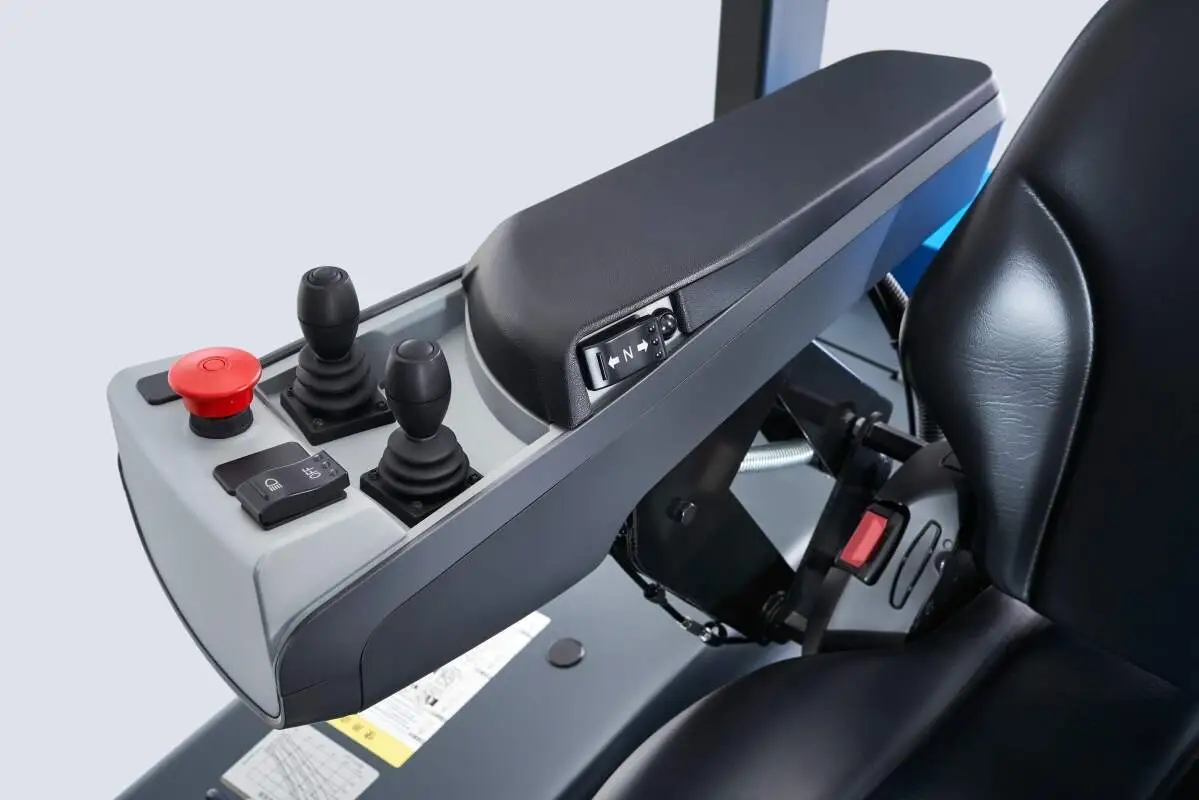
Ignition wiring issues are among the most common electrical problems that can disrupt an electric forklift’s operation, leading to unexpected downtime and reduced productivity. Addressing these issues promptly requires a systematic approach to diagnose and resolve faults without causing further damage to the equipment. Below are essential troubleshooting steps to help identify and fix common ignition wiring problems safely and effectively.
Step 1: Prioritize Safety Preparations
Before starting any troubleshooting, always ensure the forklift is parked on a flat, stable surface with the parking brake engaged. Disconnect the main battery power to prevent accidental electrical shocks or short circuits. Wear appropriate personal protective equipment, including insulated gloves and safety glasses, to minimize risks during inspection and repairs. Never attempt to work on live electrical components, as this can lead to serious injury.
Step 2: Conduct a Visual Inspection of Wiring Harnesses
Begin with a thorough visual check of the entire ignition wiring harness. Look for signs of physical damage such as frayed wires, cracked insulation, or exposed copper strands, which can cause short circuits or intermittent connections. Pay close attention to areas where wiring bends or rubs against metal components, as these are common spots for wear and tear. Also, check for loose or disconnected connectors along the harness, ensuring each plug is securely fastened to its corresponding terminal. Even a slightly loose connector can disrupt power flow to the ignition system.
Step 3: Verify Battery Connections
A weak or faulty battery connection often mimics ignition wiring issues. Inspect the battery terminals for corrosion, which can hinder electrical flow by creating a barrier between the terminal and cable. If corrosion is present, clean the terminals using a wire brush and a mixture of baking soda and water, then rinse with clean water and dry thoroughly. Tighten any loose terminal bolts to ensure a solid connection, as loose terminals can cause voltage drops that prevent the ignition system from functioning correctly.
Step 4: Test the Ignition Switch
The ignition switch is a critical component that controls power flow to the ignition system. To test it, reconnect the battery (ensuring safety precautions are still in place) and use a multimeter to check for continuity in different switch positions. Set the multimeter to the continuity setting, then touch the probes to the appropriate terminals on the switch as outlined in the equipment’s service manual. If there is no continuity in the "on" or "start" positions, the switch may be faulty and require replacement.
Step 5: Inspect Relays and Fuses
Faulty relays or blown fuses can disrupt power to the ignition system. Locate the forklift’s fuse box and check each fuse associated with the ignition system for signs of damage, such as a broken filament. Use a multimeter to test fuse continuity if visual inspection is inconclusive. Similarly, inspect ignition relays for corrosion or damage to the pins and casing. You can test a relay by swapping it with a known working relay of the same type (if available) to see if the issue resolves temporarily.
Step 6: Check Ground Connections
Poor ground connections are a frequent cause of ignition system malfunctions. Locate the main ground wire connected to the forklift’s frame or chassis. Inspect the ground terminal for corrosion or loose mounting bolts. Clean any corrosion using a wire brush and ensure the bolt is tightened securely to the metal surface. A weak ground can cause intermittent power loss, prevent the ignition system from receiving sufficient voltage, or trigger false fault codes.
Step 7: Consult a Professional if Issues Persist
If you have completed all the above steps and the ignition wiring issue remains unresolved, it may indicate a more complex problem, such as a faulty ignition coil, damaged control module, or hidden wiring damage within the harness. In such cases, it is advisable to consult a certified forklift technician who has the expertise and specialized tools to diagnose and repair advanced electrical issues safely. Attempting to fix complex problems without proper training can lead to further equipment damage or safety hazards.
By following these systematic troubleshooting steps, you can effectively identify and resolve common electric forklift ignition wiring issues, minimizing downtime and ensuring the equipment operates reliably. Remember to always refer to the forklift’s official service manual for model-specific guidance during inspections and repairs.