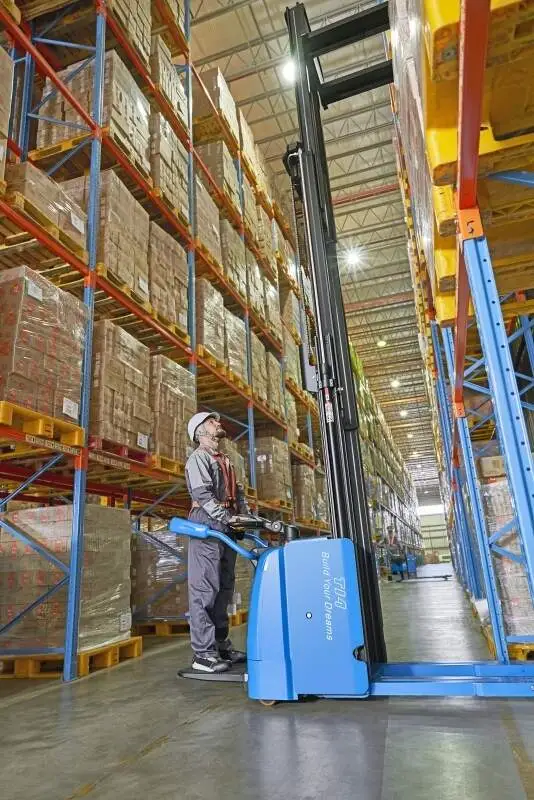
When outfitting a warehouse or industrial facility, selecting forklift-compatible storage solutions is a critical decision that directly impacts operational efficiency, safety, and long-term cost-effectiveness. To make an informed choice, it’s essential to evaluate several core factors that align storage systems with your forklift fleet’s capabilities and operational needs.
First, prioritize load capacity alignment. Your storage solution’s weight-bearing capacity must match the maximum load your forklifts can lift and transport, both statically when goods are at rest and dynamically during handling. Overlooking this can lead to structural damage to racks or shelves, creating safety hazards and costly repairs. Consider not just individual pallet weights but also cumulative loads across multiple levels, ensuring the system can sustain consistent use without degradation.
Next, assess aisle width compatibility. Different forklift types require varying aisle widths to operate safely and efficiently. For example, counterbalance forklifts need wider aisles to maneuver, while narrow-aisle models are designed for tighter spaces. Measure your forklift’s turning radius, lift mast width, and overall dimensions to ensure the storage system’s aisle requirements fit your facility’s layout. Inadequate aisle space can slow down material handling operations and increase the risk of collisions between forklifts and storage structures.
Balancing storage density and accessibility is another key point. While maximizing storage density helps optimize floor space, it should not compromise the forklift’s ability to access goods easily. High-rise storage systems, for instance, require forklifts with sufficient lift height capabilities to reach upper levels. Conversely, dense storage configurations like push-back or drive-in racks need forklifts that can navigate within the racks without causing damage. Evaluate how often items are retrieved—fast-moving goods should be stored in easily accessible locations to minimize forklift travel time.
Durability and maintenance requirements also demand attention. Storage systems must withstand frequent interaction with forklifts, including minor collisions and regular wear and tear. Look for systems constructed from heavy-duty materials with corrosion-resistant finishes to prolong lifespan. Additionally, consider the ease of maintenance: components like rack guards or replacement beams should be readily available and simple to install, reducing downtime and keeping operations running smoothly.
Finally, ensure compliance with safety and regulatory standards. Your storage solution should adhere to local industrial safety guidelines, including stability requirements, anti-tipping mechanisms, and clear safety clearances around forklift operating areas. Implementing features like rack protectors or safety barriers can prevent accidents caused by forklift impacts. Regular inspections and adherence to load limits further reinforce a safe working environment for both forklift operators and other staff.
By thoroughly evaluating these points, you can select a forklift-compatible storage solution that not only fits your immediate operational needs but also supports scalable, safe, and efficient warehouse operations over time.