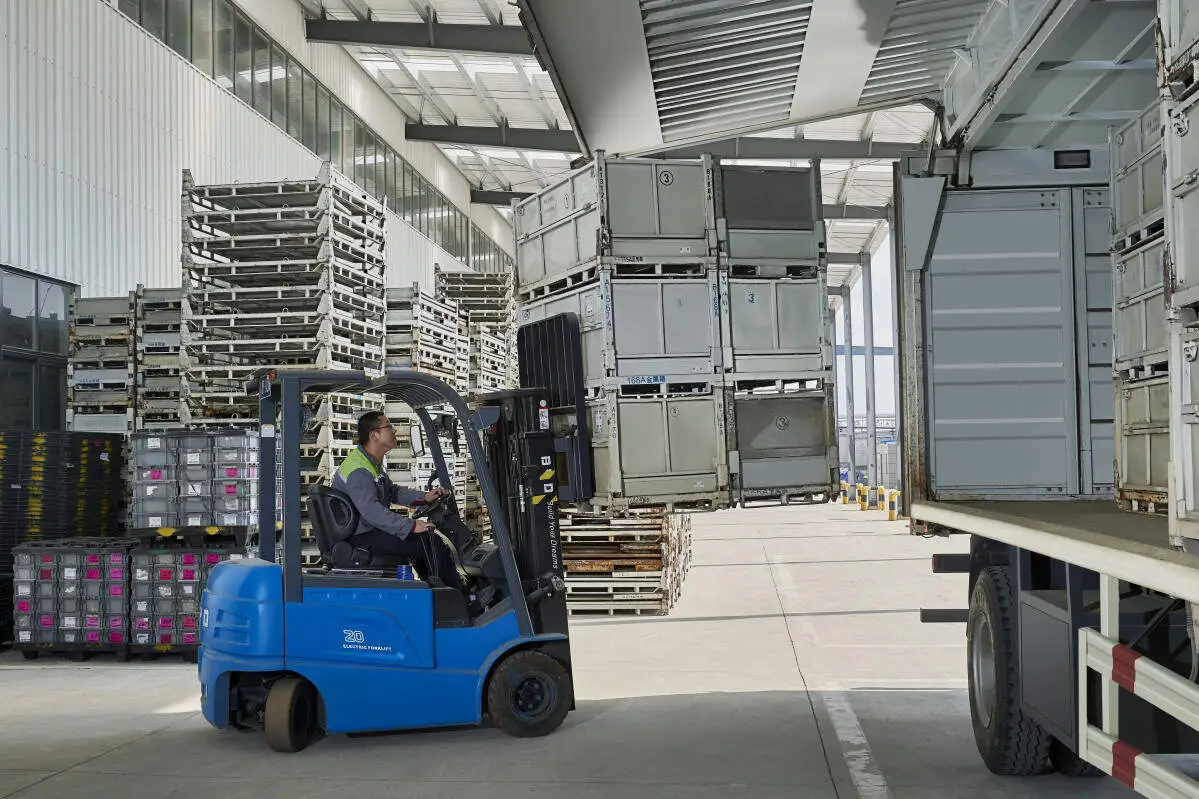
Small warehouses face unique material handling challenges, from narrow aisles to limited floor space that restricts the movement of larger equipment. For operations aiming to boost efficiency without sacrificing valuable space, compact electric forklifts emerge as a practical solution. These specialized machines are engineered to navigate tight environments while delivering reliable lifting power, making them a go-to choice for small-scale storage facilities.
One of the primary advantages of compact electric forklifts is their exceptional maneuverability. With a smaller turning radius compared to standard forklifts, they can easily navigate narrow aisles and tight corners that would leave larger models stuck. This agility translates to faster movement of goods, reducing the time spent on material handling tasks and improving overall operational flow. Operators can efficiently retrieve and store items even in cramped storage areas, maximizing the use of available space.
Unlike their gas-powered counterparts, compact electric forklifts produce zero tailpipe emissions, making them ideal for indoor warehouse environments where air quality is a concern. They operate quietly, minimizing noise pollution and creating a more comfortable working environment for staff. Additionally, electric models eliminate the need for fuel storage and handling, reducing the risk of spills and simplifying on-site safety protocols.
The compact design of these forklifts also means they take up less floor space when not in use. Many models feature a slim profile and can be parked in tight spots, freeing up valuable area for storage or other operations. Despite their small size, they offer sufficient lifting capacity for most small warehouse needs, typically ranging from 1 to 2.5 tons. Ergonomic controls and adjustable seating further enhance operator comfort, reducing fatigue during long shifts and contributing to consistent productivity.
Maintenance requirements for compact electric forklifts are generally lower than those for gas-powered alternatives. With fewer moving parts and no engine oil changes or filter replacements needed, operators can spend less time on upkeep and more time on core tasks. Battery charging is straightforward, and modern models often come with fast-charging options to minimize downtime. Over time, this leads to lower operational costs, making them a cost-effective investment for small businesses.
In conclusion, compact electric forklifts address the key challenges of small warehouse operations by combining maneuverability, eco-friendliness, and space efficiency. Their ability to navigate tight spaces while delivering reliable performance makes them an essential tool for optimizing material handling in small storage facilities. Whether you’re managing a retail backroom, a small distribution center, or a local storage facility, a compact electric forklift can help streamline your operations and make the most of your available space.