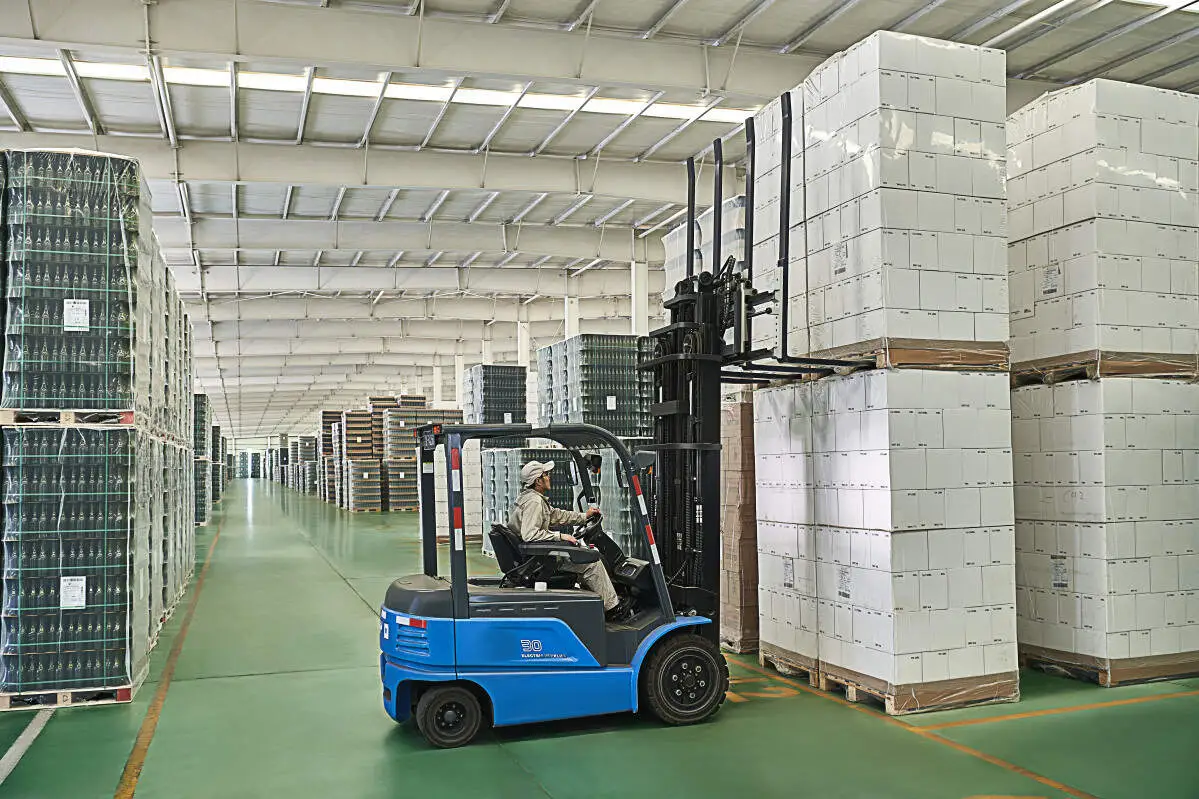
Propane forklifts are widely favored in warehouses and industrial environments for their efficiency and low emissions, but their engine reliability hinges on consistent, proper maintenance. Neglecting routine care can lead to unexpected breakdowns, inflated operational costs, and shortened engine lifespan. By following a structured maintenance plan, operators and technicians can keep propane forklift engines running smoothly and reliably for years.
Fuel System Maintenance
The fuel system is the core of a propane forklift engine, making regular inspections critical. Start by examining all fuel lines and connections for signs of leaks, cracks, or wear. Even small leaks can cause fuel waste and degrade engine performance, so replace any damaged components promptly. Additionally, replace the fuel filter at recommended intervals—usually every 1,000 to 2,000 operating hours—to block dirt and debris from entering the engine. Ensuring the propane tank is securely fastened and inspected for corrosion is also essential for safe, efficient operation.
Engine Lubrication
Proper lubrication is key to reducing friction and wear in the engine. Check the engine oil level daily before operation using the dipstick to ensure it falls within the recommended range. Change the engine oil and oil filter according to the manufacturer’s schedule, typically every 250 to 500 operating hours. Using the correct grade of oil for your forklift engine matters; the wrong viscosity can lead to poor lubrication and engine damage. Regularly inspecting the oil for contamination, such as metal particles or discoloration, can also help identify potential issues early.
Air and Exhaust System Care
A clean air system ensures the engine receives the right air-fuel mixture for efficient combustion. Replace the air filter every 500 to 1,000 operating hours, or more frequently if working in dusty environments. Clogged air filters reduce engine power and increase fuel consumption. For the exhaust system, inspect the muffler and pipes for damage or blockages. A blocked exhaust causes backpressure, leading to reduced engine performance and higher emissions. Ensure all exhaust components are securely attached to prevent leaks.
Cooling System Maintenance
Propane forklift engines generate significant heat, so a well-functioning cooling system is essential to prevent overheating. Check the coolant level regularly and top it off with the recommended antifreeze-water mixture if needed. Inspect the radiator for dirt, debris, or damage, and clean it periodically to maintain proper airflow. Check hoses and belts for cracks, wear, or looseness, replacing any damaged parts. A malfunctioning cooling system can lead to engine overheating, which causes severe, costly damage.
Daily Operating Practices
Beyond scheduled maintenance, daily operating habits impact engine reliability. Allow the engine to warm up for a few minutes before operation, especially in cold weather, to ensure proper lubrication. Avoid sudden acceleration or overloading the forklift, as this strains the engine and increases long-term wear. Turn off the engine during extended idle periods to reduce carbon buildup in the engine. Regularly clean the forklift to prevent dirt and debris from accumulating on engine components.
By implementing these propane forklift maintenance steps, you can significantly improve engine reliability, reduce downtime, and extend your equipment’s overall lifespan. Consistent care not only cuts repair costs but also ensures safe, efficient operation in your workplace. Remember, proactive maintenance is always more cost-effective than addressing major engine issues after they occur.